

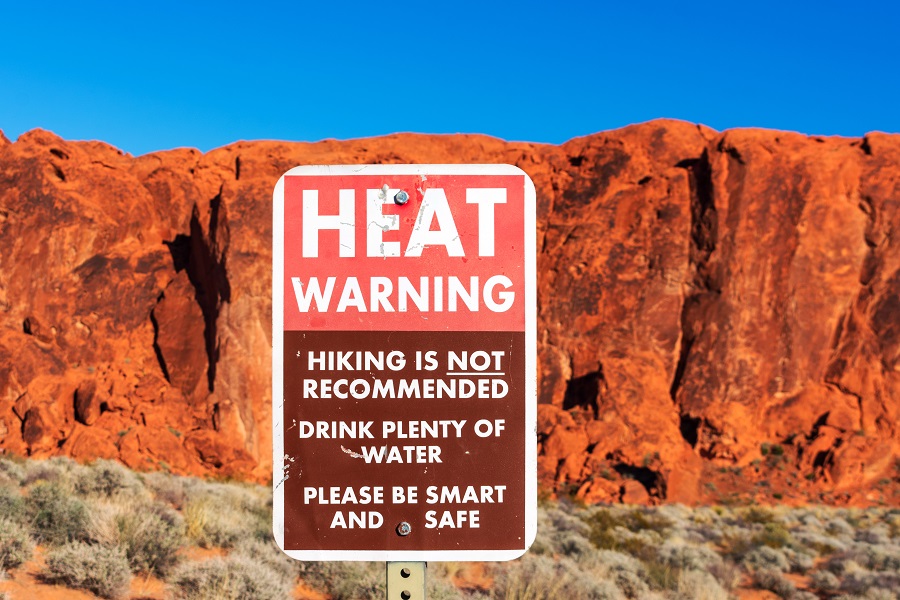
Historic Heat Wave Exposes New Mexico’s Climate Vulnerabilities

New Mexico is experiencing a historic March heat wave, with temperatures soaring into the 90s while snowpack levels plunge to record lows. Experts warn this convergence threatens water supplies, agriculture, and ecosystems across the Southwest, underscoring the urgent need for climate adaptation.

New Mexico is experiencing a March heat wave that feels more like late May, with forecasts showing temperatures climbing up to the 90s across parts of the state this week. But the real crisis is beneath the surface: the state’s snowpack, a critical water reservoir, has dropped to record lows—weeks before its climatological peak.

Heat Arrives Too Early

Meteorologists at the National Weather Service in Albuquerque described the phenomenon as “historic.” By mid-March, New Mexico should be hitting the seasonal snowpack peak, which typically occurs around March 22. The opposite, however, is happening: the state is facing record-low averages as of March 10, and zero precipitation in sight.

This early-season heat wave accelerates the melt, leaving rivers, reservoirs, and aquifers with less water to draw from in the months ahead.

Snowpack Collapse

Snowpack acts as a natural water reservoir. It slowly releases water during the spring melt. But this year tells a different story snowpack across the state is sitting at less than half of normal levels.

Some basins record depths as low as 1 inch. The deepest snowpack is barely 56 percent of average. Rio Grande headwaters show snow water at just 17 to 60 percent of median values.

The implications of these data are stark. Rio Grande’s streamflow and other waterways had reduced, diminishing irrigation supplies for farmers and heightening stress on groundwater systems.

Climate trend

Overall, however, this is not an isolated anomaly. According to the New Mexico State Climate Summary, the state has warmed by more than 2°F since the early 20th century.

Climate models indicate a continued decline in snowpack and more frequent droughts, the National Weather Service’s Albuquerque office said during its Monday briefing. Phenomena such as the March heat waves are becoming the new normal, reshaping the Southwest’s climate baseline.

For corrections, news tips, and any other content requests, please send us an email at info@brant.one.

Hot this week

Wildlife-Driven Rabies Persists: First 2026 Case Surfaces in Bobcat Attack

A rabid bobcat in Sierra County marks New Mexico’s first case of 2026, underscoring persistent wildlife-driven transmission risks.

Families, Share Your Thoughts: Take the APS Survey

Albuquerque Public School’s (APS) Quality of Education and Family Engagement Survey is now available, allowing parents and guardians to assess the performance of the district’s schools for this school year.

How a Tax Hike Means for Your Wallet: Albuquerque’s Proposed Increase Shows Why Gross Receipts Taxes Hit Consumers and Small Businesses

Albuquerque’s proposed gross receipts tax increase offers a real-world lesson in financial literacy—showing how local taxes ripple through prices, small businesses, and household budgets.

Black-Clad Attacker Haunts Albuquerque’s Bosque Trails, Investigators Probe Possible Serial Assaults

Investigators are probing three assaults along the Bosque trail system near the Rio Grande in Albuquerque, where a suspect dressed mostly in black has targeted trail users.

New Mexico Hits 50% Clean Energy—Six Years Early, Leading America’s Clean Energy Boom

New Mexico’s clean energy boom accelerates ahead of schedule, but federal policy shifts and stalled manufacturing projects pose new challenges.

Topics

Wildlife-Driven Rabies Persists: First 2026 Case Surfaces in Bobcat Attack

A rabid bobcat in Sierra County marks New Mexico’s first case of 2026, underscoring persistent wildlife-driven transmission risks.

Families, Share Your Thoughts: Take the APS Survey

Albuquerque Public School’s (APS) Quality of Education and Family Engagement Survey is now available, allowing parents and guardians to assess the performance of the district’s schools for this school year.

How a Tax Hike Means for Your Wallet: Albuquerque’s Proposed Increase Shows Why Gross Receipts Taxes Hit Consumers and Small Businesses

Albuquerque’s proposed gross receipts tax increase offers a real-world lesson in financial literacy—showing how local taxes ripple through prices, small businesses, and household budgets.

Black-Clad Attacker Haunts Albuquerque’s Bosque Trails, Investigators Probe Possible Serial Assaults

Investigators are probing three assaults along the Bosque trail system near the Rio Grande in Albuquerque, where a suspect dressed mostly in black has targeted trail users.

New Mexico Hits 50% Clean Energy—Six Years Early, Leading America’s Clean Energy Boom

New Mexico’s clean energy boom accelerates ahead of schedule, but federal policy shifts and stalled manufacturing projects pose new challenges.

New Mexico Schools Score Big: Defibrillators Now Required at All Sports Events Under Lifesaving Law

A new New Mexico law requires schools to install AEDs and train staff for cardiac emergencies during athletic activities to prevent sudden cardiac deaths.

New Mexico Teams Up with Local Dairies to Fight Toxic PFAS Pollution from Cannon Air Force Base

New Mexico partners with Curry County dairies to investigate and remediate toxic PFAS contamination linked to Cannon Air Force Base.

More than $10,000 LEGOs Stolen in Albuquerque

Three men stole LEGO sets amounting to more than $10,000

Related Articles