

Saturday, February 7, 2026
57.3 F
Albuquerque

195,000 Student Loan Borrowers Face Federal Benefit Seizures Starting in June

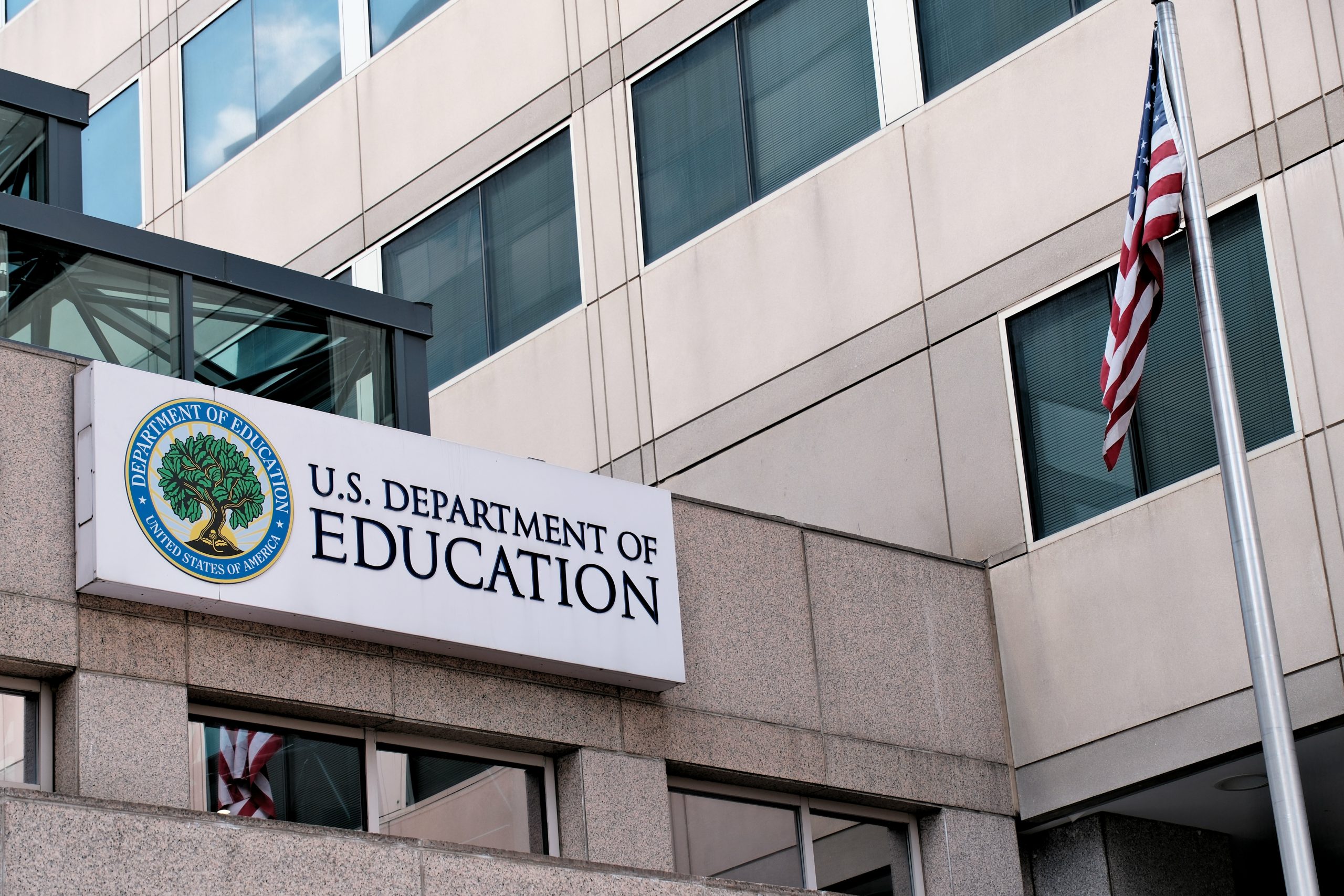
Roughly 195,000 Americans who have defaulted on their federal student loans are at risk of having their federal benefits—such as Social Security and tax refunds—seized starting in June 2025. The Education Department confirmed the action as part of its plan to resume full-scale collections after a five-year pause triggered by the COVID-19 pandemic.

Borrowers who received notices this spring now have 30 days to resolve their default status or face automatic collections through the Treasury Offset Program (TOP), a tool that allows the federal government to withhold funds to recover unpaid debts.

Garnishment Resumes After Long Hiatus

Collections on defaulted federal student loans were halted in March 2020 as part of the pandemic relief measures. But with the end of the federal student loan payment pause and default protections in late 2023, the Department of Education is gradually reactivating collection tools.

As of May 5, 2025, the department officially resumed debt collection activities. The 195,000 borrowers who received offset notices represent the first wave of individuals being targeted for benefit seizures.

The Treasury Offset Program can divert money from:

  • Federal and state income tax refunds
  • Social Security benefits
  • Federal salaries and retirement payments

Wage garnishments are expected to resume later this summer.

Who’s Affected?

Borrowers in default are defined as those who have gone at least 270 days without making a required payment. According to Education Department estimates, around 5.3 million borrowers are currently in default, and an additional 4 million are severely delinquent.

The 195,000 borrowers receiving notices this month are only a fraction of those potentially subject to offsets.

Most at risk are low-income borrowers who rely on Social Security, tax credits, or other federal benefits to cover basic living costs.

Pathways to Avoid Collections

Borrowers still have time to act. The Department of Education is encouraging those who received notices to contact its Default Resolution Group. Options to avoid garnishment include:

  • Loan Rehabilitation: Makes nine on-time payments in 10 months to remove a loan from default.
  • Consolidation: Combines loans into one and brings them into good standing if paired with an income-driven repayment plan.

Borrowers can also apply for hardship exemptions in cases where offsets would create serious financial burdens.

More information and help are available at studentaid.gov and through the department’s Default Resolution Group.

Backdrop

The return of student loan collections comes as the Biden administration’s broad loan forgiveness plan remains blocked by the Supreme Court. Though the White House has implemented targeted relief—such as one-time adjustments and fixes to income-driven repayment plans—millions of borrowers remain ineligible for forgiveness.

The Department of Education has now shifted its focus toward enforcement and repayment compliance. Education Secretary Linda McMahon recently stated that “borrowers must resume their obligations,” citing the end of COVID-era flexibility.

What’s Next?

With collections now underway, more defaulted borrowers are expected to receive offset or garnishment notices throughout the summer. The Department says it will continue outreach to help borrowers avoid punitive measures, but critics argue the window for assistance is shrinking fast.

For those facing potential benefit seizures, acting quickly may be the only way to protect federal income streams.

Hot this week

UNM Anderson Receives Donation from Thorntons for Healthcare Leadership Scholarship

Graduate students at UNM Anderson School of Management gain a new opportunity after Maribeth and Chris Thornton’s donation to establish a Healthcare Leadership Scholarship.

New Mexico $47M Transport Funding for Safety, Climate, and Communities: Why it Matters

Nearly $47 million in transportation funding from the New Mexico Department of Transportation goes beyond roads and bridges. The projects touch daily life—making streets safer, strengthening public transit, cutting emissions, and helping rural and Tribal communities close long-standing infrastructure gaps.

School-Based Health Centers (SBHCs) Help More New Mexico Students, NMDOH Reports

New Mexico school-based health centers (SBHCs) assisted nearly 20,000 students to stay healthy and in class during the 2024-2025 school year.

Childcare Advocates Press New Mexico Senate to Protect Wage Hikes Amid Budget Standoff

Childcare advocates are calling on New Mexico senators to retain proposed wage increases for early childhood educators, warning that low pay could drive workers out of the profession as lawmakers debate funding for universal childcare.

On the Heel on Infant’s Death Due to Listeria Infection, FDA Will Test Infant Formula After Botulism Outbreak Sickens Dozens of Babies

The FDA is testing infant formula and key dairy ingredients after a botulism outbreak hospitalized at least 51 babies, renewing concerns over food safety, oversight, and the risks facing infants and pregnant individuals.

Topics

UNM Anderson Receives Donation from Thorntons for Healthcare Leadership Scholarship

Graduate students at UNM Anderson School of Management gain a new opportunity after Maribeth and Chris Thornton’s donation to establish a Healthcare Leadership Scholarship.

New Mexico $47M Transport Funding for Safety, Climate, and Communities: Why it Matters

Nearly $47 million in transportation funding from the New Mexico Department of Transportation goes beyond roads and bridges. The projects touch daily life—making streets safer, strengthening public transit, cutting emissions, and helping rural and Tribal communities close long-standing infrastructure gaps.

School-Based Health Centers (SBHCs) Help More New Mexico Students, NMDOH Reports

New Mexico school-based health centers (SBHCs) assisted nearly 20,000 students to stay healthy and in class during the 2024-2025 school year.

Childcare Advocates Press New Mexico Senate to Protect Wage Hikes Amid Budget Standoff

Childcare advocates are calling on New Mexico senators to retain proposed wage increases for early childhood educators, warning that low pay could drive workers out of the profession as lawmakers debate funding for universal childcare.

On the Heel on Infant’s Death Due to Listeria Infection, FDA Will Test Infant Formula After Botulism Outbreak Sickens Dozens of Babies

The FDA is testing infant formula and key dairy ingredients after a botulism outbreak hospitalized at least 51 babies, renewing concerns over food safety, oversight, and the risks facing infants and pregnant individuals.

Clear Horizons Act: How New Mexico’s net-zero bill might affect you and your household budget

New Mexico lawmakers are set to introduce the Clear Horizons Act, a net-zero framework that would formalize statewide emissions targets and expand planning and reporting requirements. The central consumer question is cost: how compliance, grid investment, and fuel-market exposure could translate into utility bills and price volatility. What happens next in committee—and later in rulemaking—will determine whether “affordable energy” claims show up in measurable household outcomes.

A Fun Way to Learn: NMSU Unveils ‘Market Set Go!’

The New Mexico State University (NMSU) Cooperative Extension Service has released “Market Set Go!,” an educational game that teaches food safety in a fun way.

Kevin Matthes Retires From WNMU After Years of Dedicated Service

Assistant Vice President of Facilities and Operations Kevin Matthes retires from WNMU after leaving a lasting legacy on campus.

Related Articles