

Tribal Land Returns and Chaco Protections Put Oil-and-Gas Royalty Income in Focus

Tribal land-return efforts are accelerating across the West, but in northwestern New Mexico the debate is colliding with the energy economy. A federal buffer zone around Chaco Culture National Historical Park is now at the center of legal and political fights that could affect future leasing activity and the royalty checks some local residents depend on.

In several Western states, tribes are taking back control of their ancestral lands through purchases, state-supported agreements, and federal transfers. These efforts are often called “LandBack.” One recent example is the return of the Blue Creek watershed to the Yurok Tribe, along with other land returns in California, North Dakota, and Alaska.

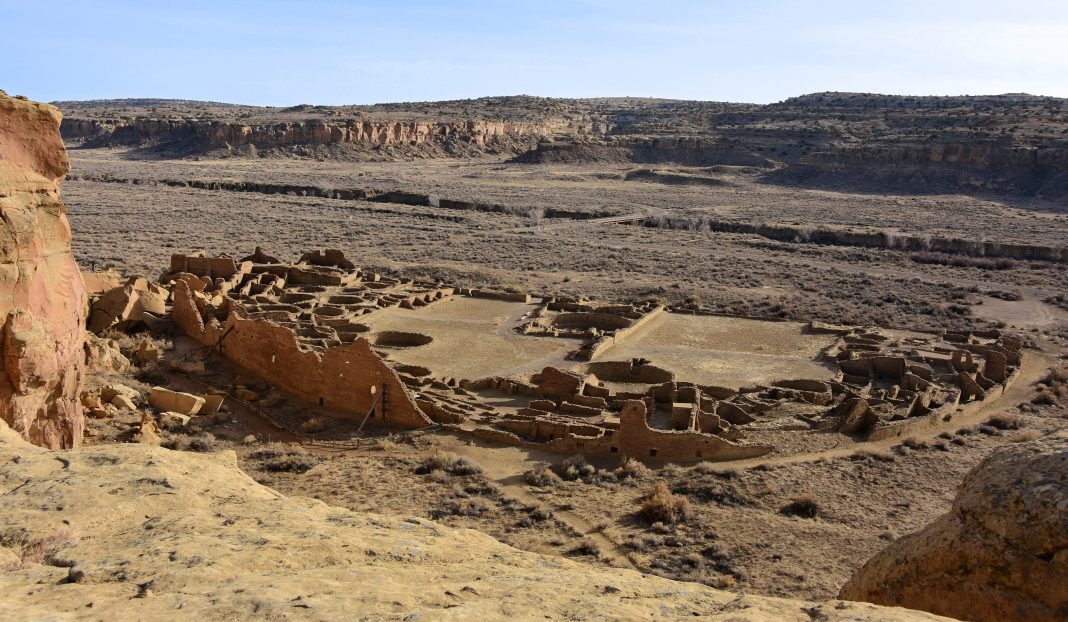
In New Mexico, discussions about returning land are linked to oil and gas activity near Chaco Culture National Historical Park. The Biden administration set up a 10-mile buffer zone to block new leases and development. This aims to reduce industry activity near important cultural sites, but financial impacts are also a key part of the debate.

According to a report from the U.S. Senate Committee on Energy and Natural Resources, New Mexico lawmakers have reintroduced legislation to permanently protect Chaco Canyon and the surrounding sacred landscape.

Why it matters for royalties and local economies

For investors and local governments, the main concern is not the oil and gas already being produced, since many wells and leases in the area are older than the buffer. The bigger issue is the chance to drill and lease in the future. The Bureau of Land Management says new federal rules to cut natural gas waste on public and Tribal lands could slow development, give companies fewer places to drill, and change what people expect from long-term production in areas with both federal and tribal rules.

For many local residents, this issue is personal because some depend on oil and gas payments from their mineral rights in these areas. If new leasing is limited, these families may have fewer opportunities to earn income over time, depending on where their mineral rights are located and how development proceeds. The debate over protecting culture versus making money is now central to the Chaco discussion.

There is also a financial impact on the public. Energy development can support county budgets and create local jobs through service work, contracts, and other spending. When drilling slows down, small communities can feel the effects quickly, even before it appears in state data, especially in places with few other options.

Legal and political fights over the 10-mile buffer around Chaco Culture National Historical Park are causing uncertainty for everyone involved.

The Navajo Nation is suing the federal government, arguing the tribe wasn’t properly consulted and that the buffer harms families who rely on oil and gas royalties. At the same time, New Mexico lawmakers are trying to make the buffer permanent, which would prevent future rollbacks but could tighten restrictions on new drilling. Secretary Haaland has already blocked new leases and mining near Chaco to protect sensitive sites. This leaves energy companies and mineral rights owners in limbo, as lawsuits and shifting policies create an unpredictable future.

For tribal governments and preservation advocates, the main goal is protecting culturally important places from further development.

What’s ahead

The decisions made now will have real effects on families and local economies, particularly those who rely on oil and gas income. The final outcome—whether the buffer stays as is, shrinks, or disappears—depends on court rulings on tribal input and on future government action. For some, even small policy shifts will be felt right away; for others, the impact may not hit until new opportunities to lease land come back, and that could take a long time or never happen at all.

For corrections, news tips, and any other content requests, please send us an email at [email protected].

Hot this week

Dozens of Literary Events Set Stage for ABQ Collective Book Fest

Albuquerque's literary community is gearing up for a busy summer. Local bookstores and libraries are hosting dozens of events in June, anticipating the second annual ABQ Collective Book Fest.

UNM Hospital CEO Kate Becker announces plan to retire this December

After eight years leading the University of New Mexico Hospital, CEO Kate Becker revealed on Wednesday that she will be retiring this December after over three decades in healthcare.

50 Years of Albuquerque Pride

On Saturday, Route 66 was filled with music, pride,...

Vanishing Iconic Businesses, Fragile Economy—New Mexico’s Warning Sign You Can’t Ignore

A wave of closures is hitting longtime New Mexico businesses, from beloved Albuquerque restaurants like The Farmacy and Bosque Brewing to family-owned shops. Surging operational costs and stagnant local spending power are exposing deeper vulnerabilities in a state overly reliant on volatile oil and gas revenues and government employment.

June Is Pride Month: Here Is How Albuquerque Does It

June is Pride Month. Here is what Albuquerque is steaming with this year's Pride Parade and PrideFest.

Topics

Dozens of Literary Events Set Stage for ABQ Collective Book Fest

Albuquerque's literary community is gearing up for a busy summer. Local bookstores and libraries are hosting dozens of events in June, anticipating the second annual ABQ Collective Book Fest.

UNM Hospital CEO Kate Becker announces plan to retire this December

After eight years leading the University of New Mexico Hospital, CEO Kate Becker revealed on Wednesday that she will be retiring this December after over three decades in healthcare.

50 Years of Albuquerque Pride

On Saturday, Route 66 was filled with music, pride,...

Vanishing Iconic Businesses, Fragile Economy—New Mexico’s Warning Sign You Can’t Ignore

A wave of closures is hitting longtime New Mexico businesses, from beloved Albuquerque restaurants like The Farmacy and Bosque Brewing to family-owned shops. Surging operational costs and stagnant local spending power are exposing deeper vulnerabilities in a state overly reliant on volatile oil and gas revenues and government employment.

June Is Pride Month: Here Is How Albuquerque Does It

June is Pride Month. Here is what Albuquerque is steaming with this year's Pride Parade and PrideFest.

New Mexico’s Homegrown Crisis: Why Most of the State’s Surging Homelessness Never Left

Despite a sharp rise in visible homelessness, research shows the majority of New Mexico’s unhoused population comes from within the state or Tribal communities — not from out-of-state influxes. A closer look at the local roots of a deepening crisis.

Nearly 9,000 Attend Wings Over Cannon Air Show at Cannon Air Force Base

On June 8, 2026, Cannon Air Force Base hosted the Wings Over Cannon air show, drawing nearly 9,000 attendees. Families, aviation enthusiasts, and community members enjoyed aircraft demonstrations, exhibits, and outreach activities that highlighted military aviation and local unity.

The Valley Sees Rising Demand for Truck and Diesel Repair Services

The Valley, New Mexico, is seeing rising demand for truck and diesel repair services. Freight operators, independent drivers, and local businesses rely on expanded maintenance to keep heavy‑duty vehicles running, supporting logistics and community growth across the Southwest.

Related Articles