

Texas Faces Growing Teacher Shortage as Uncertified Educators Fill Classrooms

Texas public schools are grappling with a significant teacher shortage, leading to an increasing reliance on uncertified educators to fill classroom vacancies. Recent data from the Texas Education Agency (TEA) reveals that of the more than 350,000 teachers currently employed in the state, 12% lack official certification, equating to approximately 42,000 individuals whose training backgrounds […]

Texas public schools are grappling with a significant teacher shortage, leading to an increasing reliance on uncertified educators to fill classroom vacancies.

Recent data from the Texas Education Agency (TEA) reveals that of the more than 350,000 teachers currently employed in the state, 12% lack official certification, equating to approximately 42,000 individuals whose training backgrounds are unverified.

This trend marks a substantial rise from previous years. In the 2023-2024 academic year, over 15,300 new teachers without adequate Texas certification were hired, a sharp increase compared to fewer than 2,300 such hires in 2010.

The shortage is particularly acute in specialized subjects. For the 2024-2025 school year, the TEA has identified critical shortage areas including Bilingual/English as a Second Language, Career and Technical Education (secondary level), Computer Science/Technology Applications, English Language Arts and Reading (secondary level), Mathematics (secondary level), and Special Education.

The influx of uncertified teachers has raised concerns about educational outcomes. A study by Texas Tech University found that students taught by new uncertified teachers experienced learning losses equivalent to about four months in reading and three months in math. However, if these teachers had prior classroom experience, such as serving as substitutes, student performance was comparable to that of peers taught by certified educators.

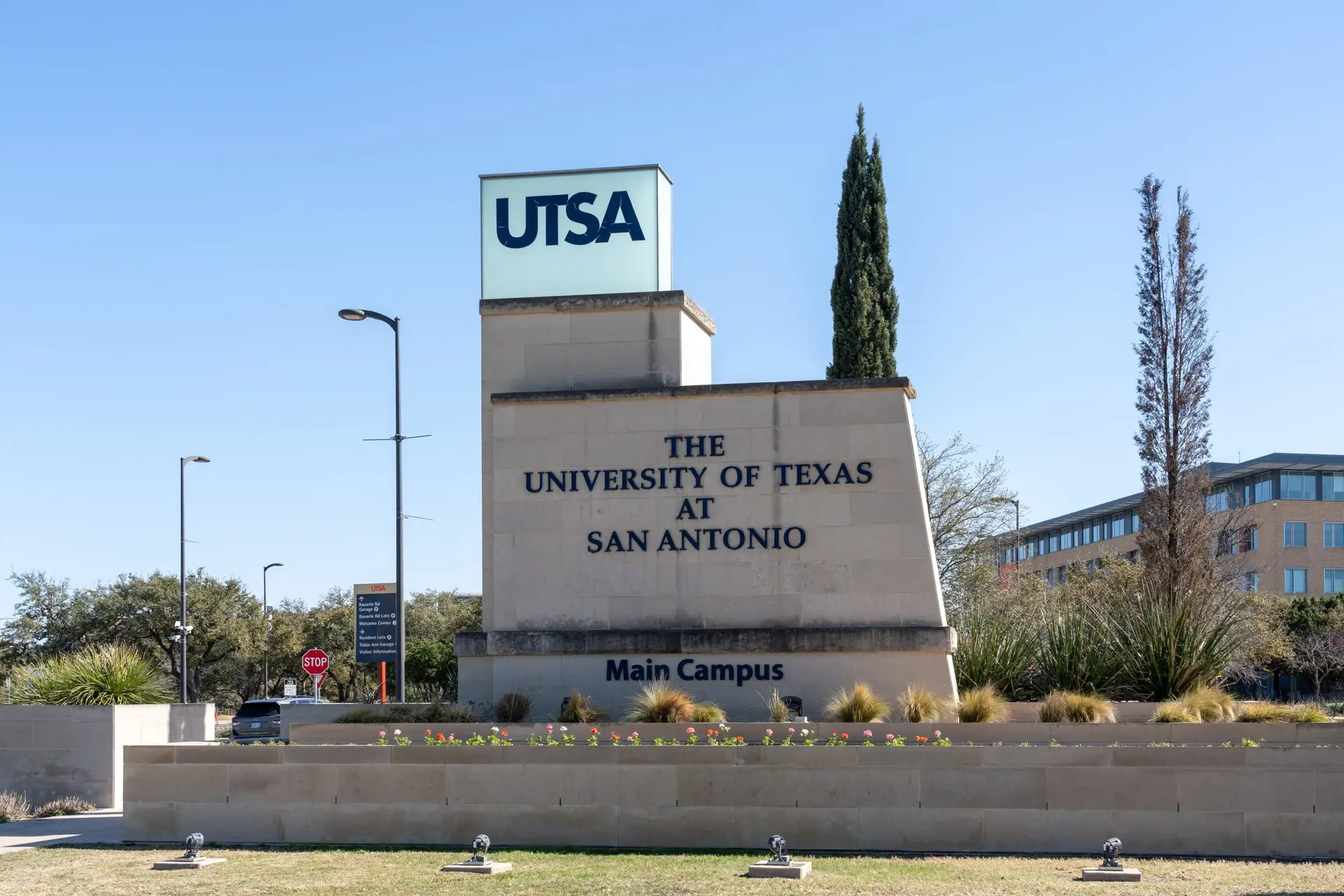
Efforts are underway to address the shortage. The University of Texas at San Antonio (UTSA) has launched a program to support paraprofessionals in becoming certified bilingual teachers, aiming to fill gaps in bilingual education. The initiative offers financial assistance, academic guidance, and practical classroom experience to help paraprofessionals overcome barriers to certification.

Additionally, proposed legislation in the Texas Senate seeks to increase teacher salaries, with significant raises for educators in smaller districts. The bill proposes annual salary increases ranging from $2,500 to $10,000, depending on district size and teacher experience. It also includes provisions for performance bonuses, free preschool services for teachers’ children, and a new state liability insurance program.

As Texas continues to confront its teacher shortage, the state faces the challenge of balancing immediate staffing needs with the long-term goal of ensuring all students receive instruction from qualified, certified educators.

For corrections, news tips, and any other content requests, please send us an email at info@brant.one.

Hot this week

New Mexico Schools Score Big: Defibrillators Now Required at All Sports Events Under Lifesaving Law

A new New Mexico law requires schools to install AEDs and train staff for cardiac emergencies during athletic activities to prevent sudden cardiac deaths.

New Mexico Teams Up with Local Dairies to Fight Toxic PFAS Pollution from Cannon Air Force Base

New Mexico partners with Curry County dairies to investigate and remediate toxic PFAS contamination linked to Cannon Air Force Base.

More than $10,000 LEGOs Stolen in Albuquerque

Three men stole LEGO sets amounting to more than $10,000

New Mexico is Racing to Dominate the Trillion-Dollar Quantum Computing Industry. And Why it Matters.

New Mexico is positioning itself as a national quantum computing hub, banking on research institutions, state incentives, and a growing tech ecosystem to capture a share of a projected $1-trillion industry.

Scientist Uses Sunlight not Just to Power Homes, But to Roast Chile and Protect Crops

A Sandia National Laboratories scientist who grew up on a chile farm is pioneering agrivoltaics — using solar panels to roast chile and protect crops.

Topics

New Mexico Schools Score Big: Defibrillators Now Required at All Sports Events Under Lifesaving Law

A new New Mexico law requires schools to install AEDs and train staff for cardiac emergencies during athletic activities to prevent sudden cardiac deaths.

New Mexico Teams Up with Local Dairies to Fight Toxic PFAS Pollution from Cannon Air Force Base

New Mexico partners with Curry County dairies to investigate and remediate toxic PFAS contamination linked to Cannon Air Force Base.

More than $10,000 LEGOs Stolen in Albuquerque

Three men stole LEGO sets amounting to more than $10,000

New Mexico is Racing to Dominate the Trillion-Dollar Quantum Computing Industry. And Why it Matters.

New Mexico is positioning itself as a national quantum computing hub, banking on research institutions, state incentives, and a growing tech ecosystem to capture a share of a projected $1-trillion industry.

Scientist Uses Sunlight not Just to Power Homes, But to Roast Chile and Protect Crops

A Sandia National Laboratories scientist who grew up on a chile farm is pioneering agrivoltaics — using solar panels to roast chile and protect crops.

History in Recordings: Project Brings Hundreds of New Mexico Spanish Archives Online

Audios and videos from the 20th century continue to share knowledge and lessons with New Mexicans today.

Santa Teresa Residents: Free Workshop Can Help You Land $27/hr Tech Jobs

Santa Teresa residents can join DACC’s free workshop to learn how to apply for high-paying critical operations technician jobs.

For School Nurse of the Year: APS Accepts Nominations Until April 13

APS sets April 13 as the final day to nominate a School Nurse of the Year.

Related Articles