
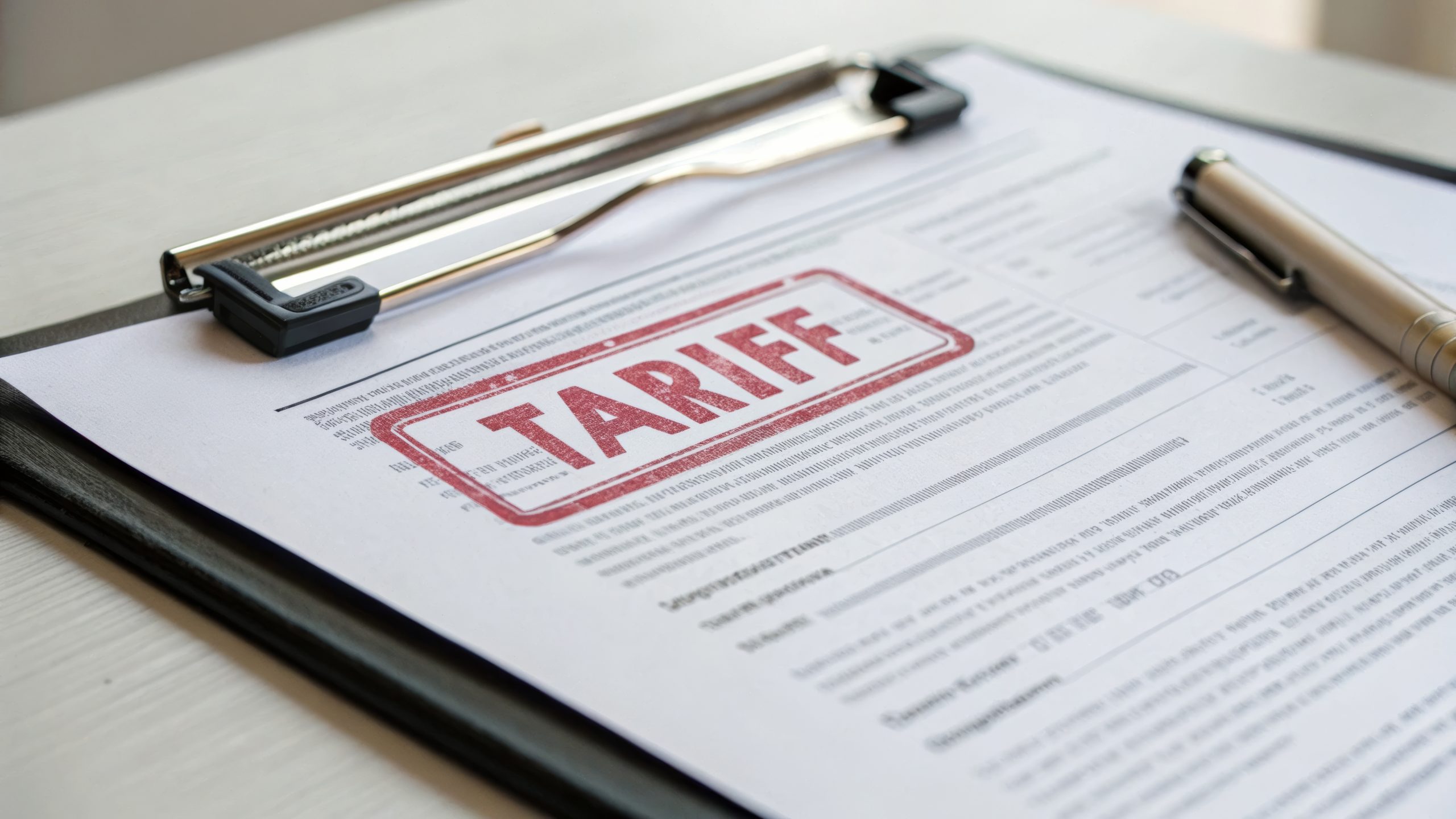


U.S. companies are facing higher costs due to tariffs on imported goods, so business leaders are rethinking how to protect their profits. Instead of just raising prices, many are coming up with new ways to handle these challenges and keep their businesses running smoothly.
Tariffs are taxes on imported goods, so businesses pay more when they use imported materials. If companies can’t pass these extra costs on to customers, their profits decline. Tariffs can also disrupt prices, supply chains, and long-term plans. Experts say tariffs add extra costs to a value-based approach. The challenge for businesses is to manage these higher costs while keeping customers’ trust and protecting their own finances.
Why tariffs matter to company finances
- Rising costs: Tariffs mean it costs more for companies to get the materials or parts they need from other countries. If businesses pay these extra costs themselves instead of raising prices for customers, their profits take a hit.
- Pricing and demand: Companies might try to make up for higher costs by increasing prices, but that can turn customers away, especially since people are careful with their spending these days.
- Investment and adjustment: To protect profits, many companies are reworking their supply chains, adding automation, or improving how they set prices. These are longer-term solutions, not just quick fixes.
- Longer timelines: Making big changes—like moving factories back to the U.S. to avoid tariffs or finding new suppliers—can take a long time, sometimes months or more. These changes also cost money up front and can hurt short-term profits, even if they pay off later.
Business surveys and industry research indicate that many U.S. companies are already feeling the pressure from higher costs resulting from tariffs. More than half report lower profit margins, partly due to tariffs, and many expect to raise prices soon to protect profits while staying competitive.
Tariffs are also linked to larger economic trends. Companies that rely on imports are less hopeful about future revenue and job growth than those less affected by tariffs. This shows that tariffs can influence not only costs but also business outlook and investment decisions.
Tariffs affect industries differently. Manufacturers and companies that rely on global supply chains feel the cost pressures more, while those with local supply chains or strong pricing power can better handle the impact. This means trade policy, pricing, and profit management are now more closely linked in business planning.
The changing tariff situation shows how outside policy decisions can impact a company’s finances. For business and financial readers, understanding these pressures and how companies respond can give insight into business strategy, future earnings, and possible changes in consumer prices as companies deal with a more complex cost environment.