
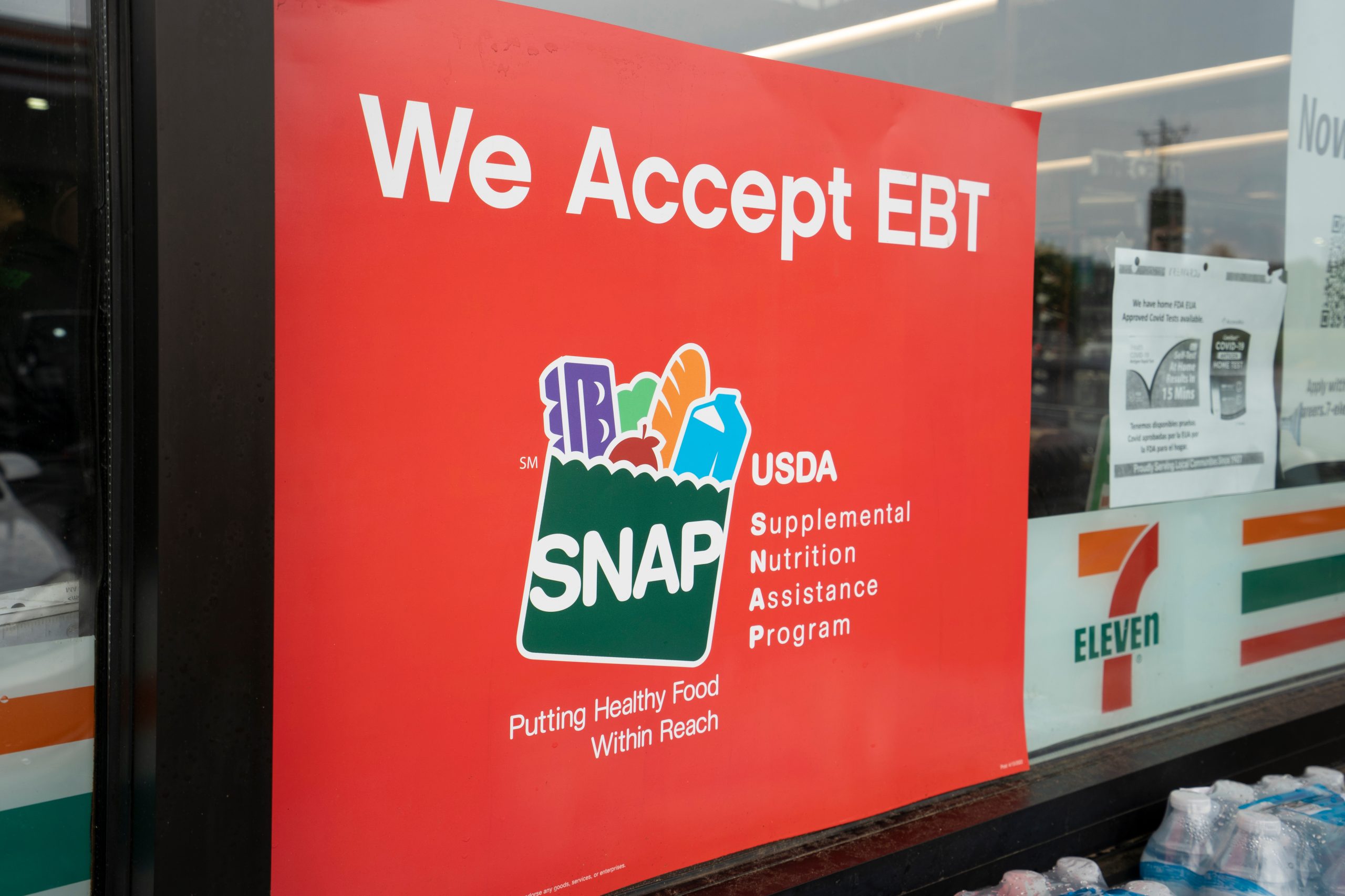


The loss of federal food assistance has emerged as a pressing challenge for refugee families and other vulnerable residents in New Mexico, where support programs have long provided a critical safety net for households struggling with rising living costs.
Federal changes to eligibility for the Supplemental Nutrition Assistance Program (SNAP), commonly known as food stamps, are set to reduce or eliminate benefits for many refugees and noncitizen residents, local service providers and advocates say. The result is a widening gap between basic food needs and affected households’ ability to cover grocery expenses, even as food prices remain elevated.
New Mexico has one of the highest rates of food assistance participation in the nation, with a significant share of residents — including refugees, asylees, and low-income families — relying on SNAP in any given month. With changes to federal eligibility rules and the looming end of benefit access for certain groups, refugees in the state face heightened food insecurity and long-term planning challenges.
Federal SNAP benefits are a key component of the social safety net, helping millions of low-income Americans supplement their grocery budgets each month. The program also supports local economies: for every dollar in SNAP benefits spent, additional economic activity is generated in communities nationwide. Cutting eligibility for segments of the population — particularly refugees and humanitarian entrants — has ramifications for both household finances and local food systems.
What’s changing — key facts
- Federal eligibility shifts: Recent federal policy changes have narrowed SNAP eligibility, excluding many refugees, asylum seekers, and other noncitizens who previously qualified for assistance.
- SNAP’s role in New Mexico: A large share of the state’s residents rely on SNAP benefits to afford food, and the program’s abrupt contraction has increased demand for local food banks and community support.
- Economic ripple effects: SNAP benefits not only help households buy groceries but also support local retailers and food partners; cuts reduce both consumer purchasing power and economic activity.
- Community response: City and nonprofit efforts in Santa Fe and beyond are stepping in to coordinate food distribution and volunteer networks amid reduced federal support.
Refugee families in New Mexico often arrive with limited financial resources and depend on a combination of employment, community support, and federal assistance to meet basic needs. SNAP supplements dwindling budgets, enabling households to purchase food each month without further eroding their limited income. As federal eligibility narrows, many who once counted on this support are now left to piece together alternatives.
Advocates say the policy changes stem from recent federal budget and immigration law shifts that have tightened access to public benefits for noncitizen populations, including refugees who enter the U.S. legally after rigorous screening. National reporting has highlighted that under new federal rules, many refugees and asylum seekers will be denied access to food stamps and other programs that were once part of their initial support structure.
The consequences extend beyond household grocery bills. Food pantries and community organizations in Santa Fe and northern New Mexico are preparing for increased demand as more people seek assistance. These local efforts aim to supplement the gap left by federal cuts but are stretching available resources. According to city officials, food banks and pantries are coordinating with volunteers and partner groups to expand operations and manage heightened community need.
State officials have acknowledged the strain on residents and food providers.
In recent responses to broader SNAP disruptions stemming from federal funding lapses, New Mexico leaders allocated emergency state funds to help maintain some level of assistance for residents losing federal benefits. Such measures underscore the political and economic pressures faced by states when federal safety net programs shift.
Economists note that food assistance programs such as SNAP are vital to household budgeting, especially in regions with high poverty and food insecurity rates. New Mexico frequently ranks among the states with the highest reliance on SNAP benefits, reflecting broader socioeconomic challenges. Cuts to these programs can ripple through local economies, reducing consumer spending and increasing demand on charitable and municipal resources.
For refugee families, the timing of these changes complicates resettlement and self-sufficiency goals. Many refugees are rebuilding their lives, securing employment, and establishing community ties when faced with sudden reductions in benefits. Community organizations serving refugee populations emphasize that consistent access to food assistance is foundational to stability and long-term economic integration.
In Santa Fe and surrounding communities, city officials and nonprofit partners are urging residents to support local food drives and volunteer at food distribution centers. Broader civic efforts are also focused on advocating for clearer federal guidance and state accountability in administering remaining assistance programs as eligibility rules evolve.
As federal food aid changes continue to unfold, the experience of refugees in New Mexico highlights the intersection between national policy decisions and local economic realities. The loss of federally funded food assistance underscores the financial challenges that vulnerable households face and the importance of community and state mechanisms in cushioning the impact of shifting federal support.