


In several Western states, tribes are taking back control of their ancestral lands through purchases, state-supported agreements, and federal transfers. These efforts are often called “LandBack.” One recent example is the return of the Blue Creek watershed to the Yurok Tribe, along with other land returns in California, North Dakota, and Alaska.
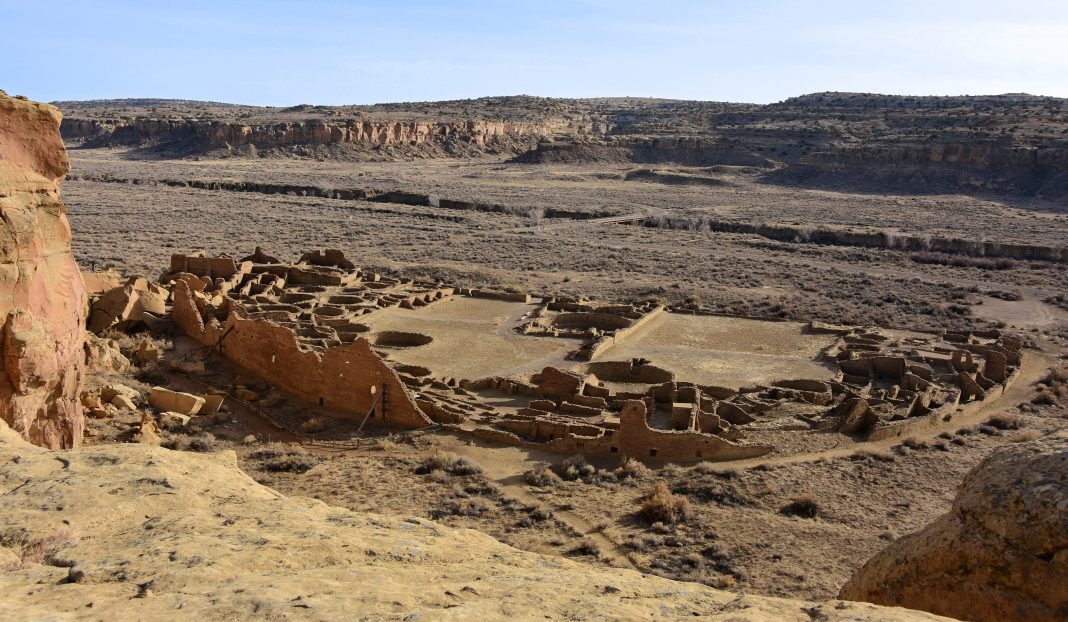
In New Mexico, discussions about returning land are linked to oil and gas activity near Chaco Culture National Historical Park. The Biden administration set up a 10-mile buffer zone to block new leases and development. This aims to reduce industry activity near important cultural sites, but financial impacts are also a key part of the debate.
According to a report from the U.S. Senate Committee on Energy and Natural Resources, New Mexico lawmakers have reintroduced legislation to permanently protect Chaco Canyon and the surrounding sacred landscape.
Why it matters for royalties and local economies
For investors and local governments, the main concern is not the oil and gas already being produced, since many wells and leases in the area are older than the buffer. The bigger issue is the chance to drill and lease in the future. The Bureau of Land Management says new federal rules to cut natural gas waste on public and Tribal lands could slow development, give companies fewer places to drill, and change what people expect from long-term production in areas with both federal and tribal rules.
For many local residents, this issue is personal because some depend on oil and gas payments from their mineral rights in these areas. If new leasing is limited, these families may have fewer opportunities to earn income over time, depending on where their mineral rights are located and how development proceeds. The debate over protecting culture versus making money is now central to the Chaco discussion.
There is also a financial impact on the public. Energy development can support county budgets and create local jobs through service work, contracts, and other spending. When drilling slows down, small communities can feel the effects quickly, even before it appears in state data, especially in places with few other options.
The legal and policy fight around the 10-mile buffer
Legal and political fights over the 10-mile buffer around Chaco Culture National Historical Park are causing uncertainty for everyone involved.
The Navajo Nation is suing the federal government, arguing the tribe wasn’t properly consulted and that the buffer harms families who rely on oil and gas royalties. At the same time, New Mexico lawmakers are trying to make the buffer permanent, which would prevent future rollbacks but could tighten restrictions on new drilling. Secretary Haaland has already blocked new leases and mining near Chaco to protect sensitive sites. This leaves energy companies and mineral rights owners in limbo, as lawsuits and shifting policies create an unpredictable future.
For tribal governments and preservation advocates, the main goal is protecting culturally important places from further development.
What’s ahead
The decisions made now will have real effects on families and local economies, particularly those who rely on oil and gas income. The final outcome—whether the buffer stays as is, shrinks, or disappears—depends on court rulings on tribal input and on future government action. For some, even small policy shifts will be felt right away; for others, the impact may not hit until new opportunities to lease land come back, and that could take a long time or never happen at all.