
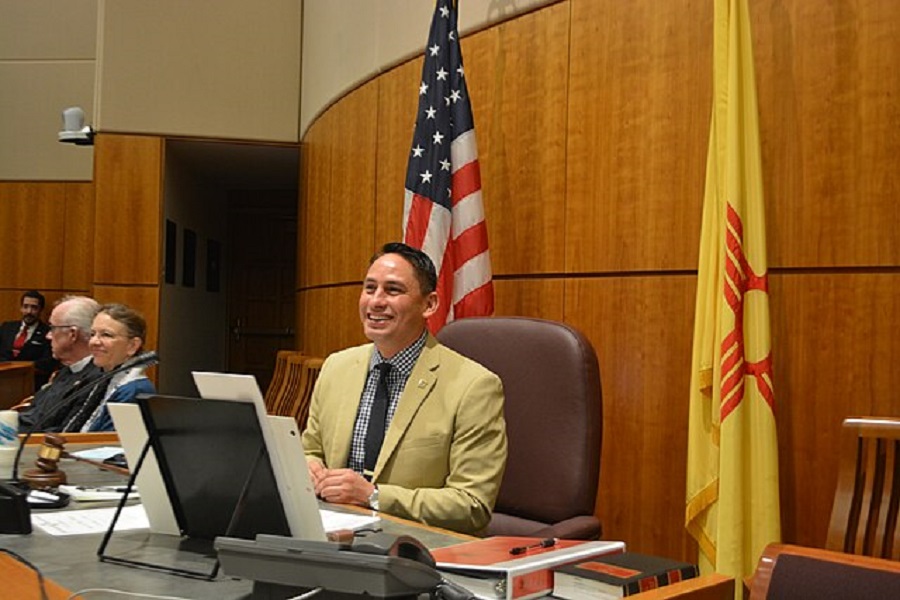

New Mexico lawmakers concluded their 30-day budget session on Thursday. The session capped what the Senate leadership described as a landmark year for investments in child care, roads, and health care reform.
In a statement issued at the end of the 2026 legislative session, Lieutenant Governor Howie C. Morales cited strong state revenues as key to funding major priorities.
Morales said a “robust state economy and continued strong revenues” allowed lawmakers to channel funding toward affordability measures, infrastructure and road projects, economic development, classrooms, and healthcare.
Constructive tone
The Senate leader credited Governor Michelle Lujan Grisham for setting what he described as a constructive tone for the session.
The legislature, he added, passed several measures advanced with bipartisan backing.
One of the session’s major bills was the establishment of the “first-in-the-nation universal child care for New Mexico’s youngest children and their families, building on our rigorous early childhood education and care system.”
The state legislature has also approved Senate Bill 2, establishing a $1.5 billion bond package for road infrastructure. Morales expects the measure will fund transportation projects over the next decade.
Lujan Grisham hailed the passage of the bill.
“This major investment in New Mexico’s transportation infrastructure is long overdue,” Lujan Grisham said.
In healthcare, the state lawmakers have approved reforms to the state’s medical malpractice rules.
The chamber voted 40-2 in approving House Bill 99, sponsored by Reps. Christine Chandler (D-Los Alamos) and Gail Armstrong (D-Magdalena).
The two negative votes came from Sens. Shannon Pinto (D-Tohatchi) and Linda Lopez (D-Albuquerque), according to Source NM.
The measure, according to the Senate leadership, addresses the “critical doctor shortage and high malpractice insurance costs that have made it difficult to recruit and retain doctors here.”
‘Optimistic’
“I am optimistic that this reform will help our rural communities, which are especially underserved,” Morales concluded.
These important measures await the governor’s signature.