
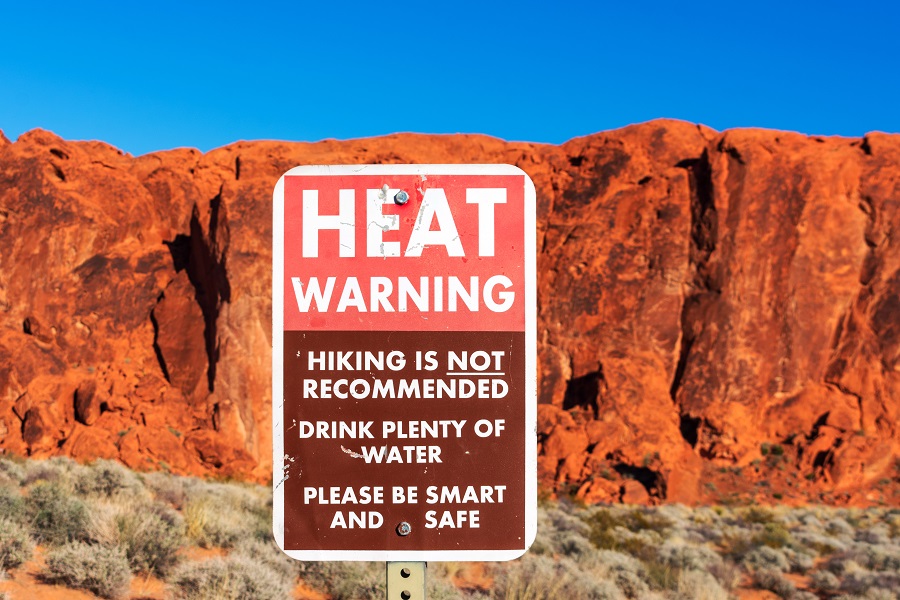


New Mexico is experiencing a March heat wave that feels more like late May, with forecasts showing temperatures climbing up to the 90s across parts of the state this week. But the real crisis is beneath the surface: the state’s snowpack, a critical water reservoir, has dropped to record lows—weeks before its climatological peak.
Heat Arrives Too Early
Meteorologists at the National Weather Service in Albuquerque described the phenomenon as “historic.” By mid-March, New Mexico should be hitting the seasonal snowpack peak, which typically occurs around March 22. The opposite, however, is happening: the state is facing record-low averages as of March 10, and zero precipitation in sight.
This early-season heat wave accelerates the melt, leaving rivers, reservoirs, and aquifers with less water to draw from in the months ahead.
Snowpack Collapse
Snowpack acts as a natural water reservoir. It slowly releases water during the spring melt. But this year tells a different story – snowpack across the state is sitting at less than half of normal levels.
Some basins record depths as low as 1 inch. The deepest snowpack is barely 56 percent of average. Rio Grande headwaters show snow water at just 17 to 60 percent of median values.
The implications of these data are stark. Rio Grande’s streamflow and other waterways had reduced, diminishing irrigation supplies for farmers and heightening stress on groundwater systems.
Climate trend
Overall, however, this is not an isolated anomaly. According to the New Mexico State Climate Summary, the state has warmed by more than 2°F since the early 20th century.
Climate models indicate a continued decline in snowpack and more frequent droughts, the National Weather Service’s Albuquerque office said during its Monday briefing. Phenomena such as the March heat waves are becoming the new normal, reshaping the Southwest’s climate baseline.