

Cancer is still taking too many lives in New Mexico, and gaps in screening continue to leave communities at risk. October, traditionally recognized as Breast Cancer Awareness Month, is a reminder that early detection can save lives.
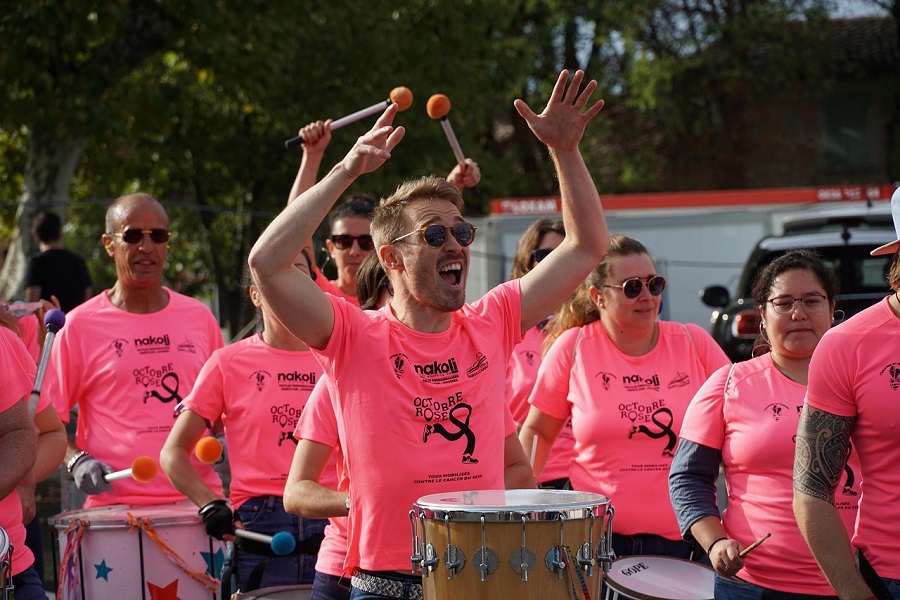
Throughout the month, streets, workplaces and social media feeds turn pink with ribbons, walks and fundraising campaigns in support of breast cancer awareness.
Amid that visibility, however, is a sobering reality: breast cancer remains one of the most common cancers among women. According to the American Cancer Society, about 12.5%, or one in eight, women in the United States will develop invasive breast cancer during her lifetime.
A local call to action
The Los Alamos County Council published a proclamation declaring October as Breast Cancer Awareness Month, urging residents to take the disease seriously.
The proclamations stress the need for research, public education, diagnostic coverage, early detection and cheap treatment. They also advise people to know their risk factors, identify the warning signs and talk to their healthcare providers about having the right kind of screening.
Los Alamos breast cancer awareness advocate Nancy Partridge said the proclamation should be a starting point rather than a one-month observance. “Let’s keep the conversation going beyond this proclamation,” she said.
Across New Mexico, support groups offer places in which patients and survivors can freely discuss their treatment, recovery and the emotional effects of the disease.
Radiant Healing Together is increasing its efforts on behalf of women in New Mexico. Since more than 2,000 of them are dealing with breast cancer this year, the organisation is ensuring that they do not go through it alone by linking them with holistic care and a supportive community.
“It helps these women heal emotionally. It helps them, you know, cry together, but it also helps them laugh together and get out some of the things that they maybe can’t talk to their family about,” Diane Nielsen, a breast cancer nurse, said.
The people behind the numbers
Statistics can indicate the number of people who are diagnosed. But they can’t convey what it’s like to hear the words “You have cancer”.
That is the reason why the stories of survivors are important. By sharing these experiences, isolation can be transformed into a sense of community and it can give reassurance to patients who have just been diagnosed that other people have also travelled along that difficult path.
Radiant Healing Together participant Renée Garcia, Stage 4 breast cancer survivor, shares: “Just at that point continued to live my life and try to build my hopes and dreams. And the radiant healing together has really helped with that.”
There are good reasons to remain hopeful. The rate at which women survive breast cancer has improved greatly, due to earlier detection, a greater understanding of the disease and progress in treatment.
CDC’s U.S. Cancer Statistics data showed that women diagnosed with breast cancer today have a 91.6% chance of surviving at least five years.
But significant challenges remain.
Metastatic breast cancer remains incurable, while disparities persist in screening, diagnosis and access to treatment. Researchers continue to seek therapies that can target cancer more effectively while reducing harmful side effects.
People can make a difference by learning to recognise the warning signs, urging their close ones to get medical advice when there’s any change and helping with research and patient services.
In a statement during National Family Health History Day last year, Dr. Miranda Durham, New Mexico Department of Health (NMDOH) Chief Medical Officer, said: “Sometimes the best way of preventing future health problems starts with talking to each other.”
“Knowing your family health history gives you valuable information to share with your medical providers to decide when things like blood sugar testing, mammograms, and colorectal cancer screening are right for you,” she said.

