
Recovery from addiction can begin with a single conversation, a decision to ask for help or the realization that life can be different.
The University of New Mexico Hospital’s Addiction & Substance Use Disorders Clinic (ASAP) works to help New Mexicans overcome substance use disorders amid a worsening fentanyl crisis. Bernalillo County declared an emergency in October 2025 after recording about six opioid overdose deaths weekly, prompting expanded treatment access. ASAP hosted its second annual Recovery Resolana, an event where patients share stories of addiction and healing.
Community health worker Terrance Baker, who founded the gathering, emphasized restoring dignity and autonomy to patients while meeting them where they are in their recovery journey. Patient Chris Martinez shared his experience seeking help after 16 years of drug use. ASAP offers outpatient treatment with morning walk-in hours at its Albuquerque location.
At the University of New Mexico Hospital’s Addiction & Substance Use Disorders Clinic, known as ASAP, helping New Mexicans overcome substance use disorders is a daily mission. And for the people working there, every step toward recovery is worth celebrating.
That mission has taken on greater urgency as the state confronts a deadly fentanyl crisis.
On Oct. 14, the Bernalillo County Board of Commissioners approved an emergency declaration aimed at strengthening the county’s response to fatal fentanyl overdoses. The order calls for expanded access to treatment and recovery services, alongside efforts to improve public safety.
In 2025, Bernalillo County recorded an average of about six opioid overdose deaths per week, according to the emergency declaration, which cited data from the New Mexico Department of Health’s Bureau of Vital Records and Health Statistics.
“We cannot accept preventable overdose deaths as inevitable,” county commission Chair Adriann Barboa said.
Against that backdrop, ASAP is putting a human face on recovery — one patient, one story and one milestone at a time.
Celebrating the people behind recovery
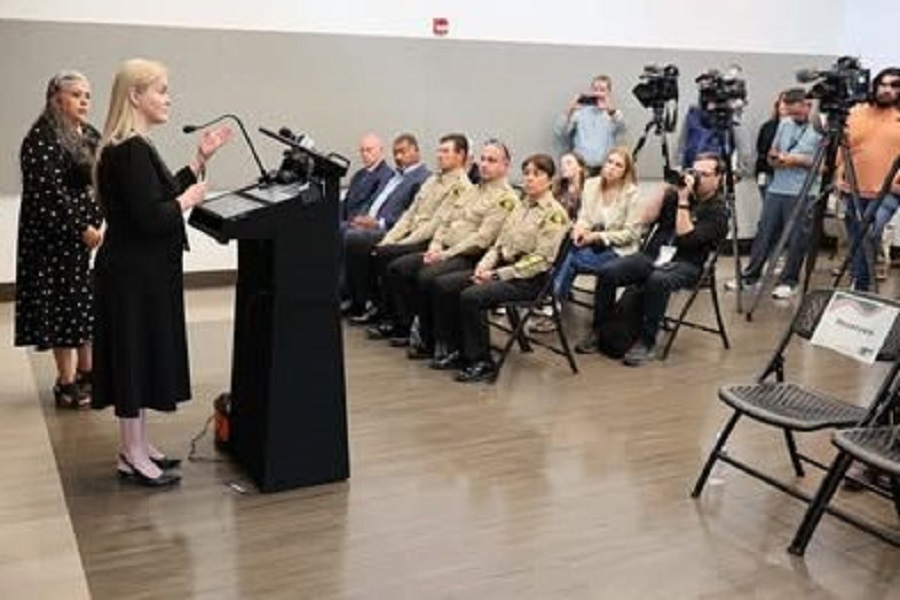
For the second consecutive year, the clinic has brought patients, families and community members together for its annual Recovery Resolana, an event dedicated to sharing stories of addiction, healing and the support that makes recovery possible.
The first gathering was held at the clinic in 2025. Resolana, a Spanish word associated with gathering in a sunny, sheltered place, evokes a space where people can come together to exchange ideas and experiences.
Terrance Baker, an ASAP community health worker who founded the event, said celebrating recovery is especially important when people struggling with addiction may feel alone or believe their progress is not enough.
“It’s important to celebrate recovery and support it in any way it shows up, because sometimes we feel isolated, or that that we’re not doing enough,” Baker said.
“So, when we have opportunities to celebrate, and actually see the smiling faces, hear the stories, see the families involved, and how much people overcome, it’s amazing.”
The gathering came amid growing concern over fentanyl-related deaths in New Mexico. The New Mexico Department of Health had issued a public warning about the dangers of powdered fentanyl the previous month. The supplied report also cited a 28% increase in overdose deaths across the state, described as the highest increase in the nation, according to the Centers for Disease Control and Prevention.
Advertisement
For Baker, those figures underscore why recovery stories deserve to be heard.
Restoring dignity, one patient at a time
ASAP provides outpatient treatment for people struggling with substance use involving opioids, methamphetamine, alcohol and other substances.
Baker helps patients navigate the early stages of recovery, connecting them with support as they begin working toward sobriety.
His approach starts with recognizing that addiction does not erase a person’s dignity or right to make decisions about their own life.
“ASAP, as a community, and a lot of the other organizations who support recovery in our community, give people dignity back, and that’s the most powerful thing we can do for them is just to recognize their humanity, recognize their individuality and their autonomy,” he said.
Simply feeling heard can be a turning point for some patients.
“I’ll meet with someone for the very first time, and sometimes by the end of the session, that person is literally in tears and very emotional because maybe they finally feel seen, maybe they finally feel heard, maybe they feel hope,” Baker said.
Those moments rarely capture the full difficulty of recovery. But they can mark the beginning of a relationship in which patients no longer have to face their struggles alone.
A story that could help someone else
At the Recovery Resolana, ASAP patients take the stage to describe their experiences with addiction and the people who helped them move forward — from family members and friends to health care providers.
Baker hopes the stories will reach not only people already in recovery but also those who have yet to seek help.
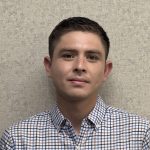
One of the speakers at the 2025 gathering was Chris Martinez, who described reaching out for help after 16 years of drug use.
His advice to others was direct. “Just do it,” Martinez said. “I mean, it’s going to be hard and you’re going to have to quit eventually. If not, there’s only two outcomes – death or prison.”
Martinez’s account offered a glimpse of the difficult choices facing people living with addiction and the possibility of seeking a different path.
Baker said successful intervention requires meeting people where they are, rather than expecting them to arrive at a clinic ready to meet someone else’s expectations.
“That helps to ensure that intervention is going to be successful,” he said.
His message to those who may feel that too much time has passed or too many mistakes have been made is that starting over remains possible.
Where to seek help
As Bernalillo County moves to strengthen its response to fatal overdoses, ASAP offers an outpatient treatment option for people seeking help with substance use disorders.
The clinic provides morning walk-in hours, allowing patients to seek same-day treatment.
The Addiction & Substance Use Disorders Clinic is located at 2600 Yale Blvd. SE in Albuquerque. For information, call 505-944-7999.
In a state facing a devastating overdose crisis, those victories, however small they may seem, matter.