

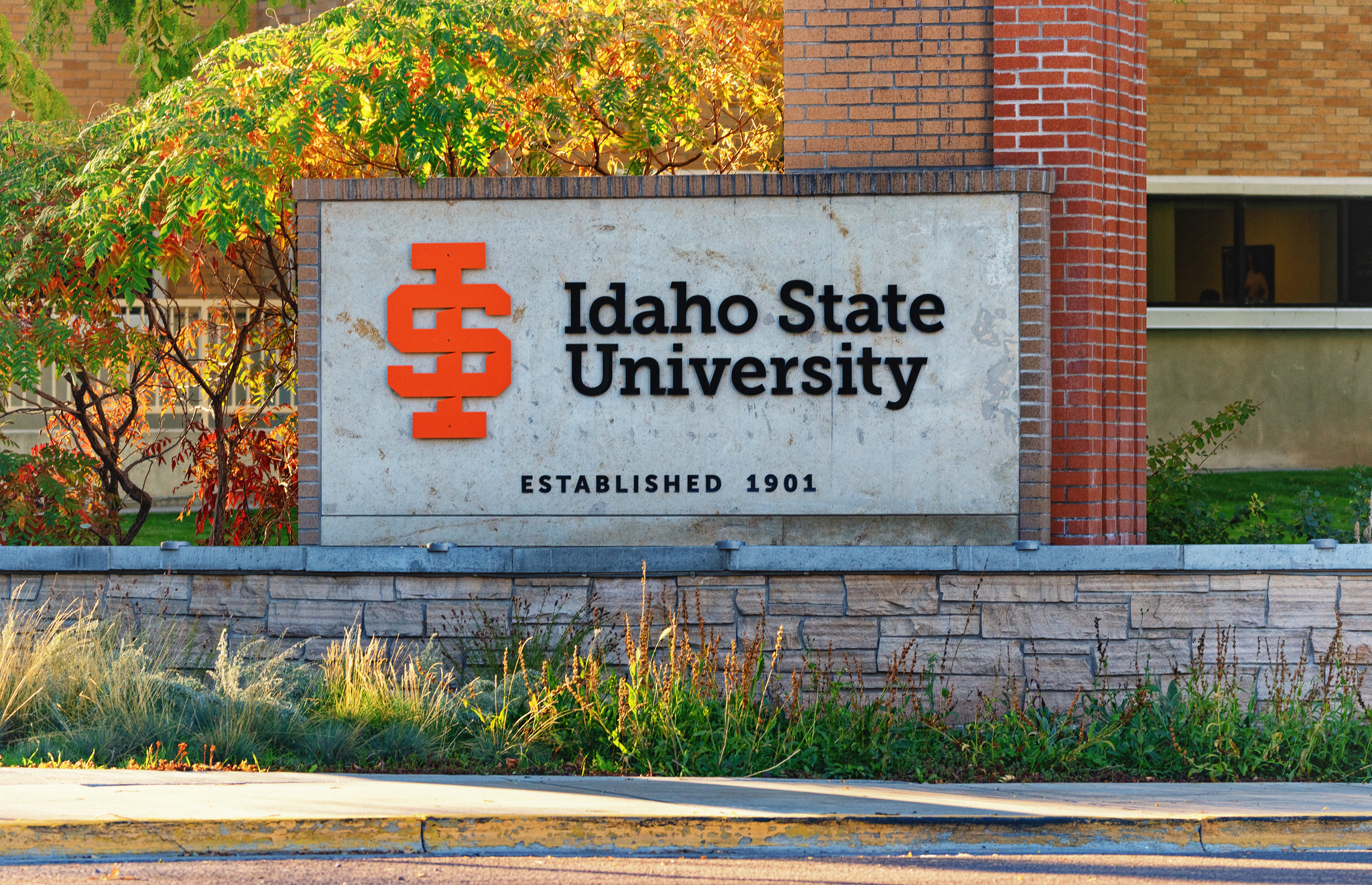
Idaho’s public universities are feeling the pressure as state budget cuts hit closer to home. For many staff, students, and families, there’s growing anxiety about what these cuts will mean. College leaders are worried that, with less money coming in, they may have to let staff go or cut back on programs that make campus life vibrant and supportive.
The State Board of Education has said that tuition hikes are “on the table” as they try to keep campuses running and classrooms full. A small tuition increase was already approved for the 2025–26 school year, but officials warn that if state support drops further, students and their families could face higher bills soon.
Mid-year budget cuts now made permanent by Gov. Brad Little’s administration have slashed about $13.3 million from public colleges and universities. At schools like Boise State and the University of Idaho, the effects are already being felt in larger class sizes, fewer resources, and more uncertainty about the future. Some campus leaders say that unless the state steps in with more funding, students may have to shoulder even more of the cost just to keep their education going.
The state’s finances have become more complex due to tax cuts and changes in revenue forecasts. Lawmakers are now planning more budget holdbacks and spending limits. Some analysts warn that if state revenue continues to decline, there could be further cuts to higher education and other public services.
Key facts about the budget and tuition outlook
- Permanent budget cuts: A 3 percent reduction in state funding for public colleges and universities is now permanent, creating gaps in their operating budgets.
- How universities are responding: Idaho’s public universities are considering measures such as mandatory furlough days for certain employees in response to expected budget cuts, according to a report from Idaho State University.
- Possible tuition increases: Education officials have indicated that further tuition hikes may be necessary to address future budget challenges.
- Enrollment is growing: Even with budget challenges, Idaho’s public colleges are seeing more students enroll, which could increase the need for resources.
Critics of the budget cuts say that less state investment in higher education could hurt workforce development and student success, especially as more students enroll. Supporters of the cuts argue that the state needs to balance its budget because of lower revenue and recent tax changes.
However, a report from the Office of the Governor states that Idaho ended its most recent fiscal year with a balanced budget and with hundreds of millions of dollars in surplus. For students and families, potential tuition hikes could mean paying more out of pocket, even as more college-age residents enroll in Idaho. University leaders have to balance the impact of less funding with their goal of keeping public higher education affordable.

