

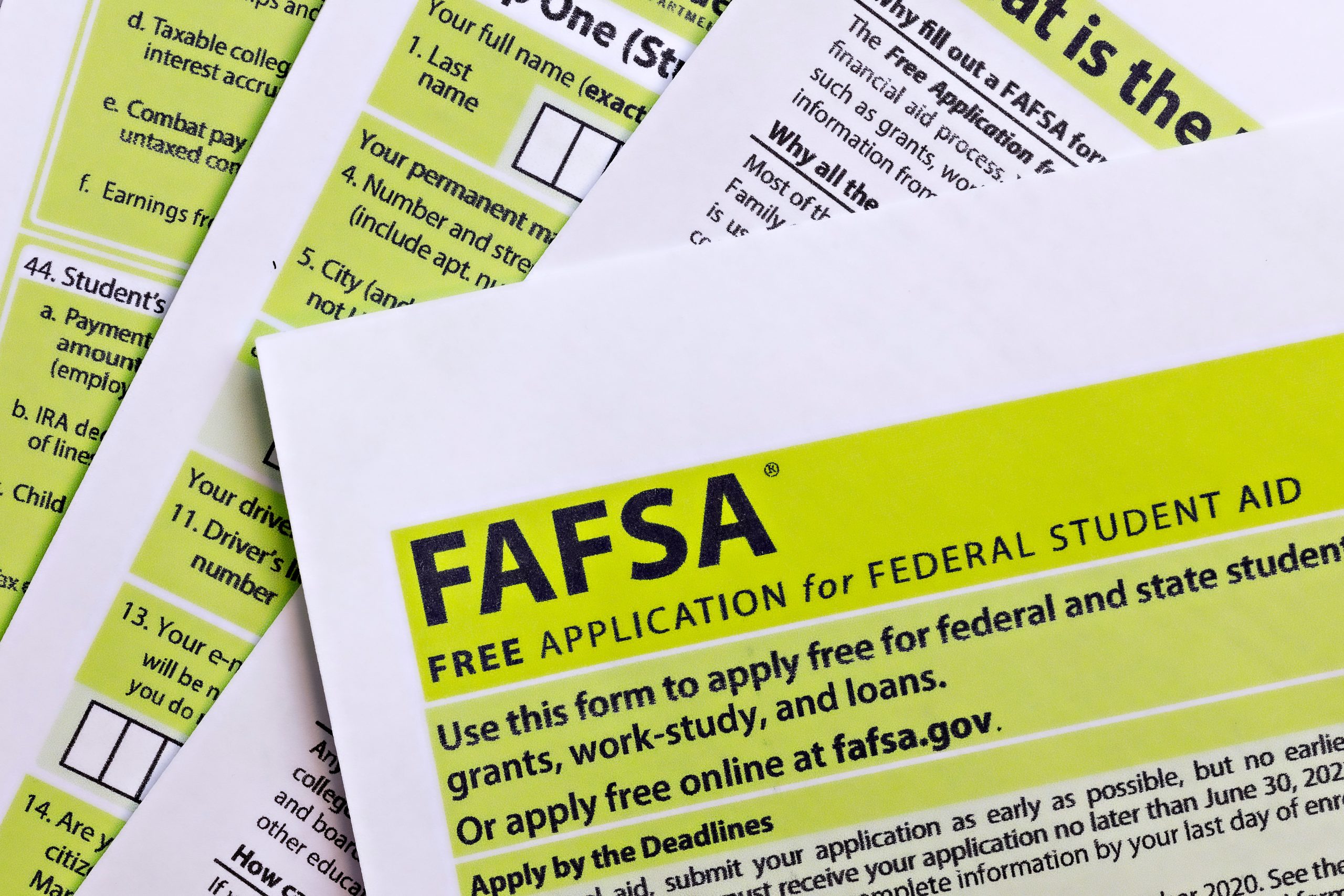
State education officials are promoting expanded support for students and families completing the Free Application for Federal Student Aid (FAFSA), aiming to increase college affordability and access to grants, loans, and work-study funds. Free assistance events, online resources, and state tools are part of a broader effort to guide applicants through the federal form that determines eligibility for financial aid.
The FAFSA is the standard application used nationwide to assess financial need and unlock federal aid such as Pell Grants, work-study, and subsidized loans. In Massachusetts, the state also offers targeted support and alternative applications for students who may not qualify for federal aid but still seek state financial assistance.
Officials say timely completion of the FAFSA is critical to ensure students receive the maximum aid possible and to help families plan for college costs. Low completion rates can leave money on the table and make it harder for students to afford tuition, fees, books, and other education expenses.
Why FAFSA Support Matters
Efforts to assist with FAFSA completion reflect ongoing concerns about college affordability and access to higher education:
- FAFSA is key to federal and state aid eligibility: Completing the form determines access to grants, loans, and work-study programs that reduce college costs.
- State alternatives and resources: Massachusetts offers the Massachusetts Application for State Financial Aid (MASFA) for students who cannot file a federal FAFSA, broadening access to need-based support.
- Outreach and events: Volunteer-driven initiatives like FAFSA Day and state outreach aim to guide students through the application process, documentation, and deadlines.
- Timing and planning: Applying early and accurately improves chances of securing full aid packages before enrollment decisions.
Completing the FAFSA not only unlocks federal programs like Pell Grants — which are awarded based on demonstrated need — but also triggers eligibility for many state and institutional financial aid programs. In states like Massachusetts, FAFSA data may be used to qualify for state grants, scholarships, and tuition equity programs, reinforcing the value of support for first-time filers or families unfamiliar with the process.
State officials and non-profit partners emphasize clear communication about deadlines, document requirements, and the potential financial impact of completing the FAFSA. With priority deadlines approaching for many state programs, earlier submissions improve students’ chances of receiving the aid they need before choosing a college or finalizing enrollment.
In short, expanded FAFSA help aims to bridge information gaps that can deter students from applying for aid. By offering hands-on support, educational resources, and alternative state applications, officials hope more students and families will secure financial support and make college more affordable.

