

Mexico is emerging as the leading destination for AgriFood Tech investment in Latin America, as global investors recalibrate their strategies toward upstream technologies and sustainability-driven solutions amid tighter funding conditions.
Industry data show that global AgriFood Tech funding reached about US$16 billion in 2024, signaling a period of stabilization after years of rapid expansion. While venture capital flows remain constrained worldwide, investor priorities have shifted. Capital is increasingly moving toward technologies closer to primary production—such as biotechnology, precision fermentation, and climate-resilient farming—rather than consumer-facing food delivery and marketplace platforms.
Why Mexico?
Mexico’s rise as a regional AgriFood Tech hub is rooted in a combination of geography, scale, and policy-driven opportunity. Its proximity to the United States and Canada, combined with diverse agroclimatic conditions, allows companies to pilot and scale solutions across multiple crops and environments while staying closely linked to major export markets.
AgriFood Tech sits at the intersection of agriculture, food systems, and disruptive innovation, responding to the challenge of feeding a global population approaching 10 billion amid intensifying climate risks and resource constraints. Mexico’s agricultural sector provides a natural testing ground for technologies designed to deliver both environmental impact and commercial returns.
From niche startups to full ecosystems
What began as a small startup scene has evolved into a broader ecosystem encompassing agricultural software, plant biotechnology, food traceability platforms, automation, and robotics. This expansion closely aligns with the priorities of environmental, social, and governance (ESG) investors, who are backing solutions that reduce water consumption, strengthen transparency across supply chains, and support the shift toward regenerative agriculture.
Nearshoring in the agro-industrial sector has further accelerated this trend. As companies relocate or expand operations closer to North American markets, the digitalization of agricultural supply chains has become essential for maintaining competitiveness. Firms focused on logistics optimization, predictive analytics, and intelligent certification systems are increasingly central to the regional ecosystem.
Investment remains active despite the global slowdown
Despite a global pullback in venture capital, Mexico’s AgriFood Tech market has remained resilient. Between August and December 2025, companies such as S4, Kilimo, and Agtools reported fresh capital raises aimed at improving operational efficiency and managing climate-related risks.
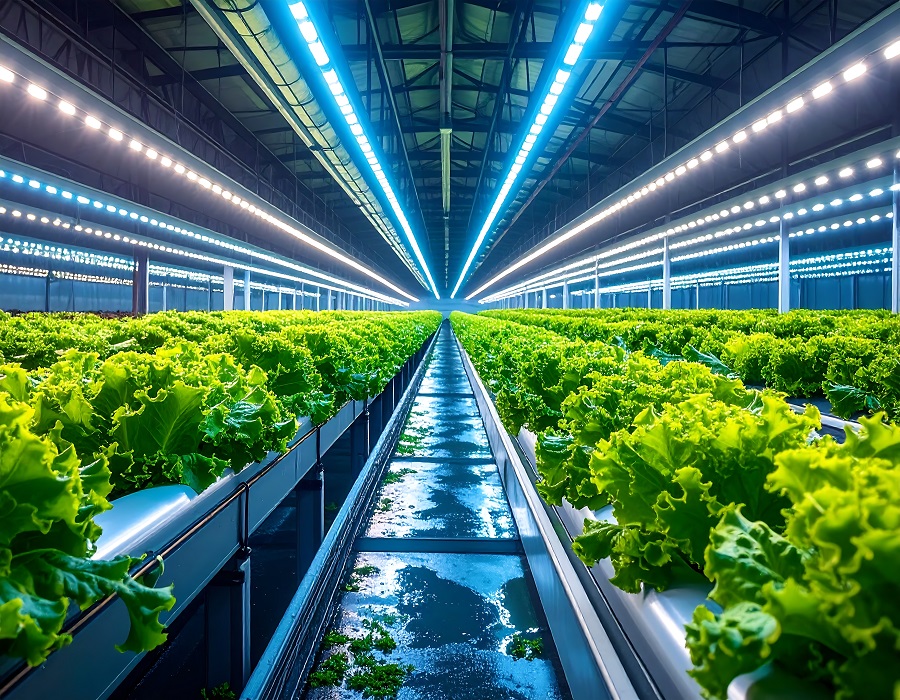
Investors continue to closely watch emerging areas. Alternative proteins—including plant-based and cultivated options—remain attractive, although funding is now more selective, with greater scrutiny on commercial viability and scalability. Vertical and indoor farming also continue to draw interest, even as these models face challenges related to high operating costs and energy use.
What comes next?
Market projections suggest the global AgriFood Tech sector could grow to US$48.98 billion by 2030, nearly doubling from its current estimated value of US$24.42 billion. Analysts point to advances in automation, sensor technologies, and the Internet of Things (IoT) as key drivers of future growth.
At the same time, the sector is entering a more mature phase marked by consolidation. This includes mergers, the exit of weaker startups, and growing participation from specialized investment funds. The emphasis is shifting away from the volume of capital raised toward the quality, resilience, and measurable impact of technological solutions.
In this evolving landscape, Mexico’s combination of scale, climate relevance, and proximity to major markets is increasingly positioning it at the center of Latin America’s AgriFood Tech investment story.

