

New Mexico’s $170 Million Faculty Expansion Plan Falls Short, Legislative Review Finds

A landmark $170 million state investment aimed at reversing critical workforce shortages in nursing, teaching, and social work across New Mexico’s public colleges has fallen short of its goals, state budget officials reported this month. The plan was first launched in 2022 and was intended to expand teaching capacity at 13 of the state’s public […]

A landmark $170 million state investment aimed at reversing critical workforce shortages in nursing, teaching, and social work across New Mexico’s public colleges has fallen short of its goals, state budget officials reported this month.

The plan was first launched in 2022 and was intended to expand teaching capacity at 13 of the state’s public colleges and universities, with a focus on nursing, education, and social work. State officials projected to hire 87 new faculty members and accommodate nearly 7,000 additional students. But according to a recent analysis by the Legislative Finance Committee, progress has fallen short. As of mid-2025, only 52 of the intended hires had been made.

The funding came from a windfall in oil and gas revenues and was backed by Governor Michelle Lujan Grisham. Of the total $170 million investment, $110.5 million was designated for permanent faculty endowments, with the rest spread across a three-year effort to expand teaching and training programs in high-need fields.

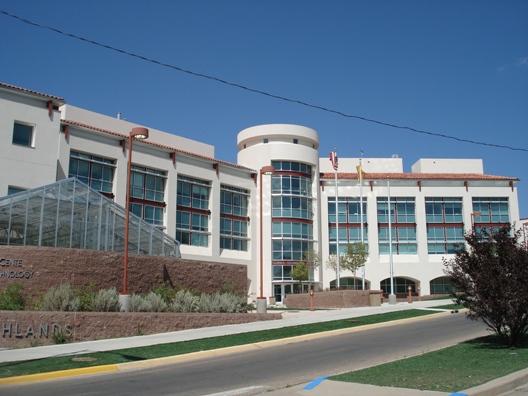
Universities that received large allocations include the University of New Mexico, which was awarded $28.5 million; New Mexico Highlands University, with $20.5 million; and New Mexico State University, which received more than $27 million in combined grants.

Despite those commitments, several institutions failed to meet core targets or misdirected funds. Western New Mexico University, which received over $22 million since 2023, has not used any of it for faculty salaries. At New Mexico State, officials instead diverted returns from the endowment toward foundation-related expenses, rather than direct academic support.

The LFC report cited a lack of coordination and transparency as key obstacles, with some universities being slow to invest the funds or unclear about how returns should be spent. In one case, the University of New Mexico reported more than $2 million in endowment returns sitting idle as of May 2025 due to administrative turnover and hiring delays at its Gallup branch.

The state is projected to need 3,700 new teachers, 4,300 nurses, and nearly 600 social workers by 2032. Yet current hiring and graduation trends suggest higher education institutions may fall far short of those targets.

Senator George Muñoz, chair of the Senate Finance Committee, called the failures damaging to the state’s broader workforce strategy and warned that future funding may require stricter conditions.

Although challenges remain, there are isolated signs of success. Eastern New Mexico University used its share to launch a social work program, with its first class of 15 students expected to graduate this spring. Other institutions have pledged to accelerate hiring in the coming year, citing improved clarity on how to apply the funds.

In recent years, New Mexico has seen a surge in education funding driven by oil and gas windfalls. Still, many public colleges continue to struggle with administrative turnover, low enrollment in rural areas, and sluggish hiring pipelines.

Graduation rates also remain below national averages, with the state producing roughly 1,000 fewer degrees annually than expected, despite increased enrollment and legislative support.

Marc Saavedra, director of the New Mexico Council of University Presidents, said future endowment planning must involve more precise coordination between lawmakers and college administrators. Without shared expectations and accountability, he warned, the returns on these large-scale public investments will remain limited.

For corrections, news tips, and any other content requests, please send us an email at [email protected].

Hot this week

UNM Steps Up to Cut Food Waste, Boost Food Access

The University of New Mexico works to turn food waste into resources that help address food insecurity on campus.

New Mexico’s Recipe for Hantavirus Risk—Climate, Deer Mice, and Country Living

More than 30 years after the Four Corners outbreak, New Mexico continues to report among the nation’s highest hantavirus pulmonary syndrome cases. Experts say the state’s ecology, climate cycles and rural living conditions have created an enduring hotspot for the rare but deadly disease carried by deer mice.

Community Solar Program Took Years to Arrive. Now the Solar Panels Are Finally Rising.

After years of delays, New Mexico’s community solar program is beginning to expand, with new projects coming online across the state. But developers and advocates say high interconnection costs and complicated billing rules still threaten the program’s long-term success.

Patient Voices Push New Mexico Lawmakers to Spotlight Healthcare Access and Affordability

New Mexico lawmakers spotlighted healthcare after hearing directly from patients, emphasizing urgent concerns about access, affordability, and workforce shortages.

Health Officials Clarify Hantavirus Risk: No Person‑to‑Person Spread

New Mexico's health officials have emphasized that the state's Hantavirus (Sin Nombre Virus) is not transmitted from person to person, which differs from the Andes virus that was responsible for an outbreak aboard a cruise ship. There have been many reports around the world about the Andes virus being transmitted by other people, and this caused people to worry about being able to contract the Andres virus from residents of New Mexico. The Andes virus is the only hantavirus known to be transmitted by another person in South America. The Sin Nombre Virus can only be contracted by contact with infected rodents, or their excrement. There are several ways to help to prevent hantavirus exposure, including disinfecting rodent nests and debris, ensuring that all points of entry into the home are sealed and practicing safe cleanup methods.

Topics

UNM Steps Up to Cut Food Waste, Boost Food Access

The University of New Mexico works to turn food waste into resources that help address food insecurity on campus.

New Mexico’s Recipe for Hantavirus Risk—Climate, Deer Mice, and Country Living

More than 30 years after the Four Corners outbreak, New Mexico continues to report among the nation’s highest hantavirus pulmonary syndrome cases. Experts say the state’s ecology, climate cycles and rural living conditions have created an enduring hotspot for the rare but deadly disease carried by deer mice.

Community Solar Program Took Years to Arrive. Now the Solar Panels Are Finally Rising.

After years of delays, New Mexico’s community solar program is beginning to expand, with new projects coming online across the state. But developers and advocates say high interconnection costs and complicated billing rules still threaten the program’s long-term success.

Patient Voices Push New Mexico Lawmakers to Spotlight Healthcare Access and Affordability

New Mexico lawmakers spotlighted healthcare after hearing directly from patients, emphasizing urgent concerns about access, affordability, and workforce shortages.

Health Officials Clarify Hantavirus Risk: No Person‑to‑Person Spread

New Mexico's health officials have emphasized that the state's Hantavirus (Sin Nombre Virus) is not transmitted from person to person, which differs from the Andes virus that was responsible for an outbreak aboard a cruise ship. There have been many reports around the world about the Andes virus being transmitted by other people, and this caused people to worry about being able to contract the Andres virus from residents of New Mexico. The Andes virus is the only hantavirus known to be transmitted by another person in South America. The Sin Nombre Virus can only be contracted by contact with infected rodents, or their excrement. There are several ways to help to prevent hantavirus exposure, including disinfecting rodent nests and debris, ensuring that all points of entry into the home are sealed and practicing safe cleanup methods.

‘You Are Not Alone’: Grief Kits Help Students Cope with Loss 

Albuquerque Public Schools received grief kits after the Rotary Club of Albuquerque and the Grief Center worked together to provide resources that help students cope with loss.

New Mexico Reopens Fight Over Toxic Oil and Gas Wastewater — Environmentalists Call It a Political Gamble

New Mexico regulators voted to revive a contentious rulemaking process that could expand the use of treated oil and gas wastewater beyond drilling sites, reigniting a fierce clash between industry advocates and environmental groups over public health, water scarcity and political influence.

Wastewater Sounded the Measles Alarm in New Mexico—Before Doctors Even Caught It

A new study shows New Mexico health officials detected measles in wastewater five days before hospitals confirmed cases, highlighting sewage surveillance as a powerful early-warning system during the nation’s largest measles outbreak in decades.

Related Articles