

A new working paper finds that many large banks and investors are only now beginning to include methane in their plans to move away from fossil fuels. This is important because these banks and investors help fund pollution from the oil, gas, and food industries. Meanwhile, New Mexico lawmakers voted down a bill that would have set statewide limits on greenhouse gas emissions. This decision could change what companies expect for future rules in one of the country’s main oil and gas states.
This gap in addressing methane matters to investors because cutting methane is often seen as a quick and affordable way to lower the risk of near-term warming. However, reporting and goal-setting are still inconsistent. A Climate Policy Initiative working paper looked at plans and climate reports from 10 major banks and investors and found that most have not focused much on methane, especially in the industries they support.
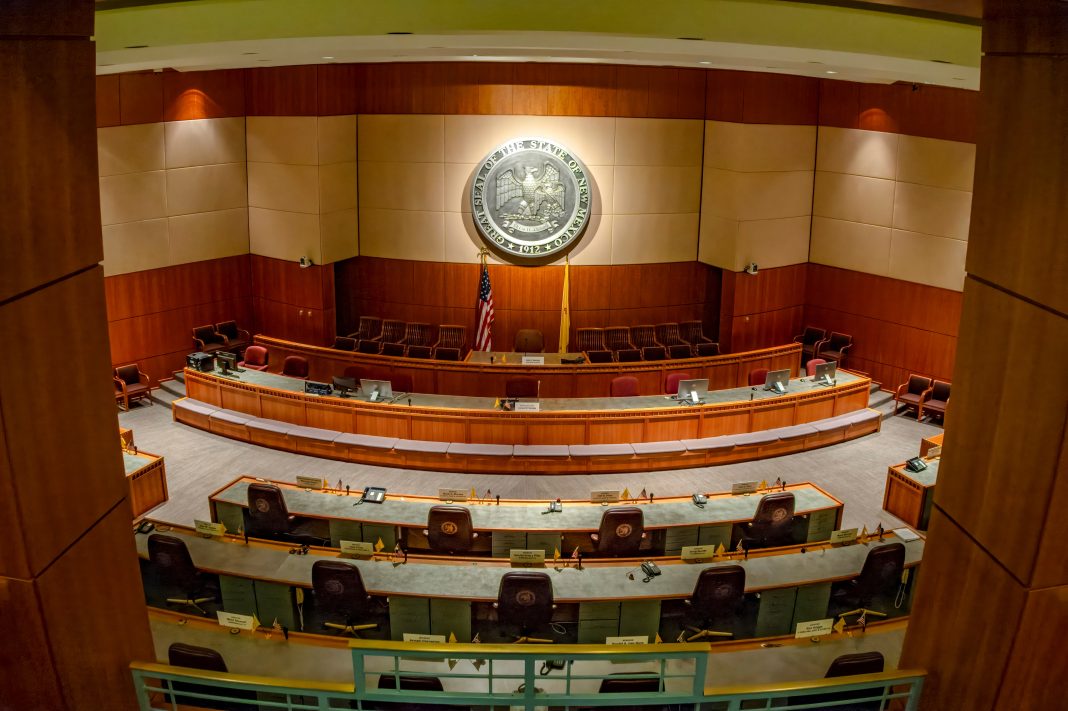
Policy decisions also affect where money goes. In New Mexico, the state Senate voted against Senate Bill 18 (the “Clear Horizons” proposal) on Feb. 11, 2026, according to KANW. The bill would have set legal limits on greenhouse gases for the whole state—45% below 2005 levels by 2030, 75% by 2040, and net-zero by 2050. Because the bill did not pass, these targets are not part of state law, which may make it harder for companies and investors to know what rules to expect when planning big energy projects.
What the methane report says
The CPI paper points out the difference between (1) setting goals that show what banks and investors want to do and (2) taking real steps that show if methane is part of their decisions. It finds that only 3 out of 10 groups set goals for methane, while 7 are taking some action—often by sharing information about methane risks or getting involved in policy. The authors also note an imbalance between industries: there was very little action in food and farming, while oil and gas saw more action, but it was still not complete.
For markets, the main point is not that methane is being ignored, but that it is often not turned into clear, specific promises for each industry that banks and investors support. This makes it harder to compare what different banks and investors are doing, and it may cause confusion about how they judge the risks in industries that produce a lot of methane.
What New Mexico’s vote changes mean for investors
New Mexico’s rejected bill would have set limits on greenhouse gas emissions across the state and given greater responsibility and authority for planning and reporting on emissions. Because the bill did not pass, there is no legal authority to cut emissions across the state at this time. For people in the energy industry, this can change what they expect about how fast and in what way new rules might come, even as other state and federal rules keep changing.
The main effect on the market right now is how clear the rules are: having set limits in law can give a stronger long-term signal for obtaining permits, planning to follow rules, and figuring out costs. Without these limits, there is more uncertainty about what rules will come in the future.

