


Key Takeaways:
- The Education Department is recalling dozens of employees slated for layoffs. Still, former officials say this short-term move does not address the structural staffing shortage that created a backlog of more than 25,000 civil rights complaints.
- More than 200 OCR staff members were targeted for layoffs, and seven of twelve regional offices were closed. As a result, thousands of families report months-long delays in discrimination investigations.
- Even with recalled workers, OCR lacks a sustainable plan for managing both the existing backlog and the steady flow of new complaints covering disability rights, race discrimination, sexual harassment, and other civil rights issues.
- The administration’s interagency agreements shift major education programs to other federal departments, but provide no clear explanation of where OCR’s enforcement responsibilities would be housed if the department is eliminated.
- Pennsylvania lawmakers are moving to establish a state-level civil rights office amid eroding federal capacity. Civil rights groups warn that the restructuring plan (described by the NEA as “cruel” and “shameful”) risks leaving vulnerable students with fewer avenues for protection.
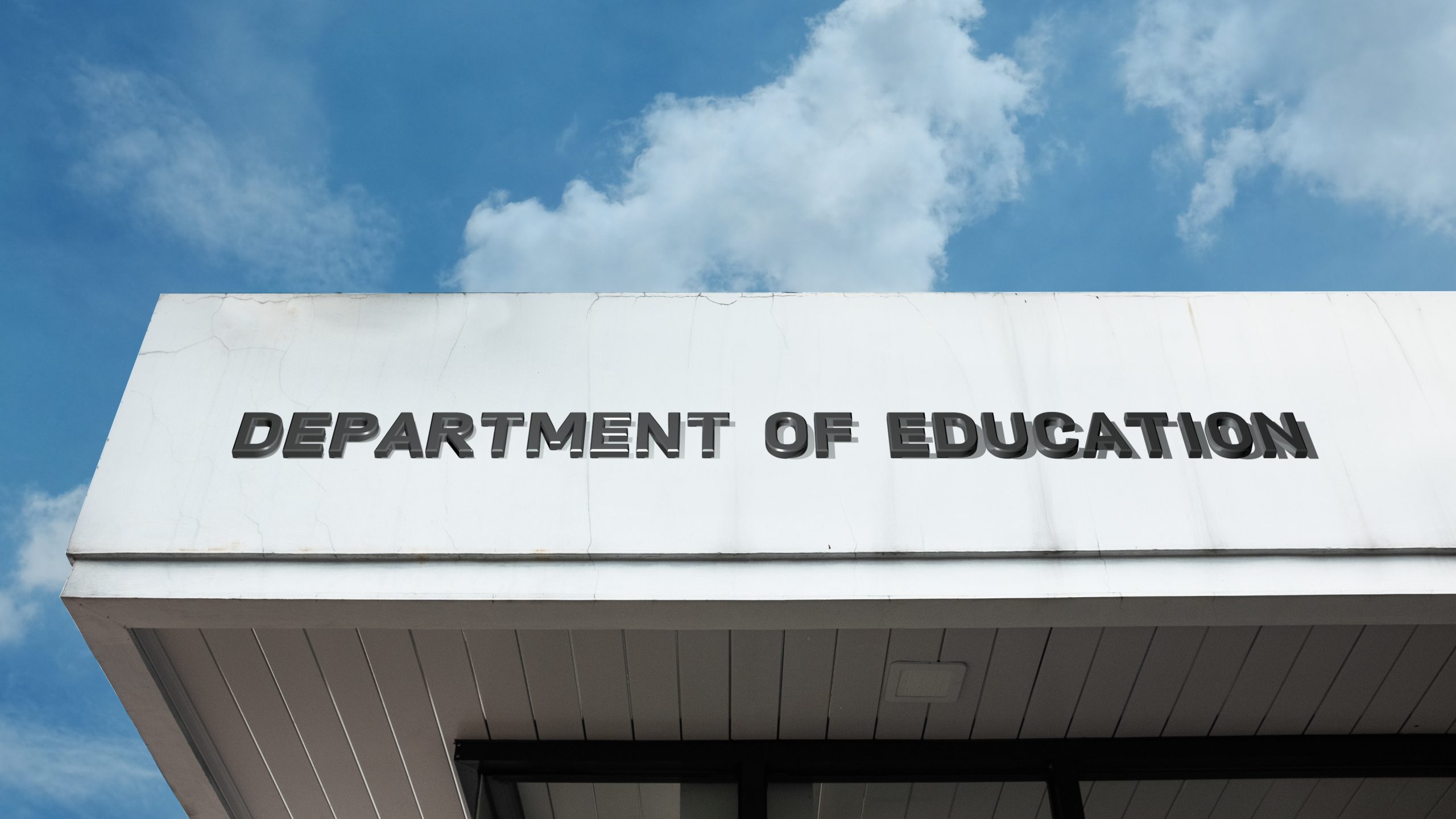
The Trump administration is bringing back dozens of Education Department employees who were marked for layoffs, saying they are needed to work through a surging backlog of civil rights complaints.
The staffers, most of them from the department’s Office for Civil Rights (OCR), have been on administrative leave since March while the administration defended mass layoffs in court. They have been ordered to return to duty on December 15 to help process discrimination cases that have now ballooned to 25,000 cases/complaints.
A department spokesperson, Julie Hartman, said the administration still intends to complete the layoffs but will use these employees while litigation continues. In a statement, she said the department would “utilize all employees currently being compensated by American taxpayers.”
The recall comes after months of deep cuts across the department, with more than 200 OCR staff members targeted in a reduction-in-force that also closed 7 out of the office’s 12 regional branches. Overall, the Education Department’s workforce has fallen from about 4,100 employees at the start of Trump’s term to roughly half that number today.
Those cuts have had visible effects.
Since Trump took office back in January 2025, the OCR has had about 20,000 open discrimination complaints. And for less than a year, that caseload has since climbed to more than 25,000, even as staff numbers have dropped. As a result, families that filed complaints about disability discrimination, racial bias, and other violations say they have waited months without any word from the federal government.
With so many positions gone, former OCR employees argue “the math does not work.” Accordingly, they claim that there is no realistic way for the office to work through tens of thousands of pending cases while also taking on new ones.
The OCR is responsible for enforcing federal civil rights laws in schools and colleges. It handles complaints involving students with disabilities, racial and religious discrimination, sexual harassment, and other issues. With this, the office can cut off federal funding to institutions that refuse to comply with the law, though most cases end in negotiated agreements.
Although the temporary recall may help move some cases forward, former officials and civil rights advocates say it does not solve the larger capacity problem. New discrimination complaints continue to reach the office each week, and staffing levels remain far below the levels needed to meet federal civil rights requirements.
Recent lawsuits describe OCR as a “hollowed-out organization” that can no longer fulfill its basic responsibilities, and national reporting shows that thousands of investigations have stalled as the remaining staff struggle to keep pace. Even with recalled employees back on the job, the office lacks a long-term plan for handling both the backlog and the volume of new cases that will follow.
Still no clear plan for OCR
The recall is taking place as the administration moves forward with a broader plan to dismantle the department. In November, Education Secretary Linda McMahon signed a series of interagency agreements that begin shifting major programs to other cabinet departments.
The Department of Labor is set to manage key K-12 grant programs, including Title I funding for schools that serve large numbers of low-income students. The Interior Department will oversee a wide range of Native American education programs, while selected international education and foreign language initiatives will move to the State Department.
Those moves do not answer a central question: where civil rights enforcement would sit if the Education Department were to shut down?
McMahon has argued that federal civil rights protections will continue in some form, even if the department disappears. In a recent opinion piece, she wrote, “Protecting students’ civil rights is work that will never go away. Yet, so far, the administration has not identified a new home for OCR’s functions or explained how it would maintain the same level of oversight with a smaller staff spread across multiple agencies.
This uncertainty has prompted some states to explore their own options. In Pennsylvania, state Senator Lindsey Williams has announced plans to introduce legislation to create a civil rights office within the state’s Department of Education. The bill would give the state authority to investigate and enforce federal and state education civil rights laws.
Williams represents a region that lost its federal OCR office this spring—the Philadelphia Regional Office, which was closed in March. Complaints from that region now go to the Atlanta office. Williams said cases/complaints “may or may not be heard,” and argues that the state should not rely solely on a weakened federal system.
The concerns are not limited to numbers. Critics say the administration has also changed OCR’s priorities.
In recent months, the office has opened investigations into race-conscious scholarships and diversity programs at colleges and universities, following guidance that warns institutions against race-based preferences in admissions, financial aid, and campus initiatives. It has also launched probes of school policies that let transgender students use restrooms and other facilities that match their gender identity, drawing on complaints and new directives from Washington.
These actions have continued even as thousands of long-standing discrimination complaints remain unresolved. Families whose children face disability discrimination or racial harassment in their schools say they are left in limbo while high-profile enforcement efforts move ahead in other areas.
Education and civil rights advocates warn that the temporary recall of staff may offer only short-term relief. Leaders of the National Education Association even called the broader restructuring plan “cruel” and “shameful,” arguing that shifting key programs to other agencies abandons students who depend on federal support. The American Civil Liberties Union has said that moving core education and civil-rights offices out of the department “guts the structure Congress established in 1979” to guarantee equal access to education.
The administration cannot abolish the department on its own—only Congress can. Several Republican senators have already voiced support for shutting down the agency and introduced bills to that effect. Those proposals would still have to clear both chambers and confront questions about who would enforce civil rights law in education and how long-standing programs for low-income students and students with disabilities would be managed.
For now, families with pending complaints are waiting to see whether the return of laid-off staff will translate into action on their cases. More than 25,000 complaints remain in OCR’s backlog. The department has offered no public plan for how it will move through that caseload. At the same time, it pursues its goal of dramatically shrinking, or eventually closing, the agency that was created to protect students’ rights in schools and colleges.