
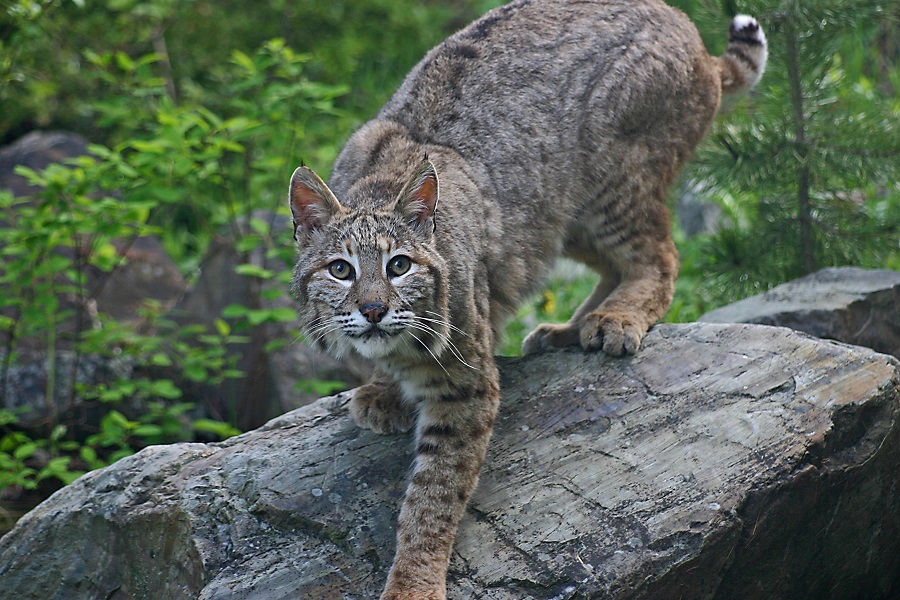


Rabies transmission in New Mexico remains mostly wildlife-driven, a pattern that public health officials say continues to pose risks to both humans and animals, particularly in rural communities. This comes into focus after the New Mexico Department of Health (NMDOH) recorded the first rabies case for 2026: a bobcat in Sierra County, which tested positive after attacking some domestic dogs.
Health authorities euthanized the bobcat following the incident. The dogs — all reportedly vaccinated — received booster shots. The health department placed these dogs under a 45-day observation period. Two individuals suspected of having been exposed to the virus have begun post-exposure prophylaxis, an intervention to prevent the disease from progressing.
“Rabies is deadly but preventable. State law requires all dogs and cats to be vaccinated against rabies,” Dr. Erin Phipps, in a statement, said. Phipps noted that unvaccinated pets face euthanasia or extended isolation if exposed.
A persistent wildlife reservoir
Data from state health records revealed that rabies infections in New Mexico are mostly found in wild animals, particularly skunks, bats, and foxes. Bats accounted for the highest number of confirmed cases annually, and spilled over into other mammals — including bobcats.
In 2025, the state recorded 13 rabid animals, including one bobcat. The year prior had 12 cases, four involving bobcats. These figures are relatively stable, but highlight the challenge of eliminating rabies across the state.
According to the Institute for Environmental Research and Education (IERE), infected animals may not always display observable signs. Some may become aggressive. Others may appear docile or unafraid of humans, which can increase the risk of unnoticed exposure.
Rural rabies exposure risks and response
The Sierra County case shows the vulnerability of the people living in areas where human settlements intersect with wildlife habitats. In such a setting, humans face higher exposure risks due to increased contact with vectors.
Response protocols, such as vaccination boosters, quarantine, and human post-exposure treatment, are well established. But their effectiveness depends largely on timely reporting and access to veterinary and medical services.
NMDOH maintains that prevention pathways involve vaccinating pets, avoiding contact with wild animals, and acting immediately after potential exposure. The department advised the public to seek medical attention after any bite or saliva exposure and to wash wounds thoroughly with soap and water. Vaccination against rabies is also recommended for individuals who may have had direct contact with bats, especially in enclosed spaces or involving unattended children.
Health officials urged the public to report any exposure or bite to their local animal control and call the NMDOH Helpline at 1-833-SWNURSE (833 796-8773). The public can also text questions to 66364 (NMDOH).