

Historic Heat Wave Exposes New Mexico’s Climate Vulnerabilities

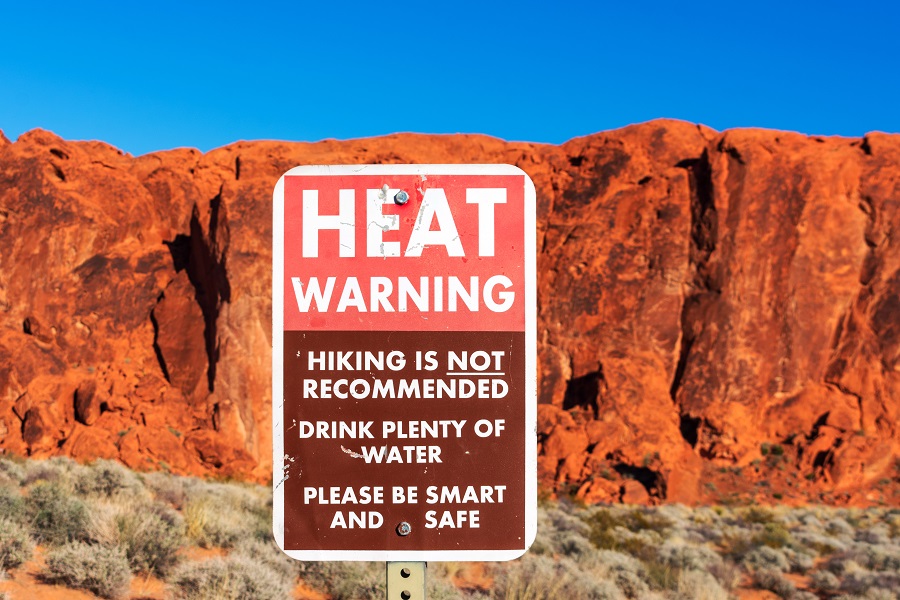
New Mexico is experiencing a historic March heat wave, with temperatures soaring into the 90s while snowpack levels plunge to record lows. Experts warn this convergence threatens water supplies, agriculture, and ecosystems across the Southwest, underscoring the urgent need for climate adaptation.

New Mexico is experiencing a March heat wave that feels more like late May, with forecasts showing temperatures climbing up to the 90s across parts of the state this week. But the real crisis is beneath the surface: the state’s snowpack, a critical water reservoir, has dropped to record lows—weeks before its climatological peak.

Heat Arrives Too Early

Meteorologists at the National Weather Service in Albuquerque described the phenomenon as “historic.” By mid-March, New Mexico should be hitting the seasonal snowpack peak, which typically occurs around March 22. The opposite, however, is happening: the state is facing record-low averages as of March 10, and zero precipitation in sight.

This early-season heat wave accelerates the melt, leaving rivers, reservoirs, and aquifers with less water to draw from in the months ahead.

Snowpack Collapse

Snowpack acts as a natural water reservoir. It slowly releases water during the spring melt. But this year tells a different story snowpack across the state is sitting at less than half of normal levels.

Some basins record depths as low as 1 inch. The deepest snowpack is barely 56 percent of average. Rio Grande headwaters show snow water at just 17 to 60 percent of median values.

The implications of these data are stark. Rio Grande’s streamflow and other waterways had reduced, diminishing irrigation supplies for farmers and heightening stress on groundwater systems.

Climate trend

Overall, however, this is not an isolated anomaly. According to the New Mexico State Climate Summary, the state has warmed by more than 2°F since the early 20th century.

Climate models indicate a continued decline in snowpack and more frequent droughts, the National Weather Service’s Albuquerque office said during its Monday briefing. Phenomena such as the March heat waves are becoming the new normal, reshaping the Southwest’s climate baseline.

For corrections, news tips, and any other content requests, please send us an email at [email protected].

Hot this week

UNM Steps Up to Cut Food Waste, Boost Food Access

The University of New Mexico works to turn food waste into resources that help address food insecurity on campus.

New Mexico’s Recipe for Hantavirus Risk—Climate, Deer Mice, and Country Living

More than 30 years after the Four Corners outbreak, New Mexico continues to report among the nation’s highest hantavirus pulmonary syndrome cases. Experts say the state’s ecology, climate cycles and rural living conditions have created an enduring hotspot for the rare but deadly disease carried by deer mice.

Community Solar Program Took Years to Arrive. Now the Solar Panels Are Finally Rising.

After years of delays, New Mexico’s community solar program is beginning to expand, with new projects coming online across the state. But developers and advocates say high interconnection costs and complicated billing rules still threaten the program’s long-term success.

Patient Voices Push New Mexico Lawmakers to Spotlight Healthcare Access and Affordability

New Mexico lawmakers spotlighted healthcare after hearing directly from patients, emphasizing urgent concerns about access, affordability, and workforce shortages.

Health Officials Clarify Hantavirus Risk: No Person‑to‑Person Spread

New Mexico's health officials have emphasized that the state's Hantavirus (Sin Nombre Virus) is not transmitted from person to person, which differs from the Andes virus that was responsible for an outbreak aboard a cruise ship. There have been many reports around the world about the Andes virus being transmitted by other people, and this caused people to worry about being able to contract the Andres virus from residents of New Mexico. The Andes virus is the only hantavirus known to be transmitted by another person in South America. The Sin Nombre Virus can only be contracted by contact with infected rodents, or their excrement. There are several ways to help to prevent hantavirus exposure, including disinfecting rodent nests and debris, ensuring that all points of entry into the home are sealed and practicing safe cleanup methods.

Topics

UNM Steps Up to Cut Food Waste, Boost Food Access

The University of New Mexico works to turn food waste into resources that help address food insecurity on campus.

New Mexico’s Recipe for Hantavirus Risk—Climate, Deer Mice, and Country Living

More than 30 years after the Four Corners outbreak, New Mexico continues to report among the nation’s highest hantavirus pulmonary syndrome cases. Experts say the state’s ecology, climate cycles and rural living conditions have created an enduring hotspot for the rare but deadly disease carried by deer mice.

Community Solar Program Took Years to Arrive. Now the Solar Panels Are Finally Rising.

After years of delays, New Mexico’s community solar program is beginning to expand, with new projects coming online across the state. But developers and advocates say high interconnection costs and complicated billing rules still threaten the program’s long-term success.

Patient Voices Push New Mexico Lawmakers to Spotlight Healthcare Access and Affordability

New Mexico lawmakers spotlighted healthcare after hearing directly from patients, emphasizing urgent concerns about access, affordability, and workforce shortages.

Health Officials Clarify Hantavirus Risk: No Person‑to‑Person Spread

New Mexico's health officials have emphasized that the state's Hantavirus (Sin Nombre Virus) is not transmitted from person to person, which differs from the Andes virus that was responsible for an outbreak aboard a cruise ship. There have been many reports around the world about the Andes virus being transmitted by other people, and this caused people to worry about being able to contract the Andres virus from residents of New Mexico. The Andes virus is the only hantavirus known to be transmitted by another person in South America. The Sin Nombre Virus can only be contracted by contact with infected rodents, or their excrement. There are several ways to help to prevent hantavirus exposure, including disinfecting rodent nests and debris, ensuring that all points of entry into the home are sealed and practicing safe cleanup methods.

‘You Are Not Alone’: Grief Kits Help Students Cope with Loss 

Albuquerque Public Schools received grief kits after the Rotary Club of Albuquerque and the Grief Center worked together to provide resources that help students cope with loss.

New Mexico Reopens Fight Over Toxic Oil and Gas Wastewater — Environmentalists Call It a Political Gamble

New Mexico regulators voted to revive a contentious rulemaking process that could expand the use of treated oil and gas wastewater beyond drilling sites, reigniting a fierce clash between industry advocates and environmental groups over public health, water scarcity and political influence.

Wastewater Sounded the Measles Alarm in New Mexico—Before Doctors Even Caught It

A new study shows New Mexico health officials detected measles in wastewater five days before hospitals confirmed cases, highlighting sewage surveillance as a powerful early-warning system during the nation’s largest measles outbreak in decades.

Related Articles