

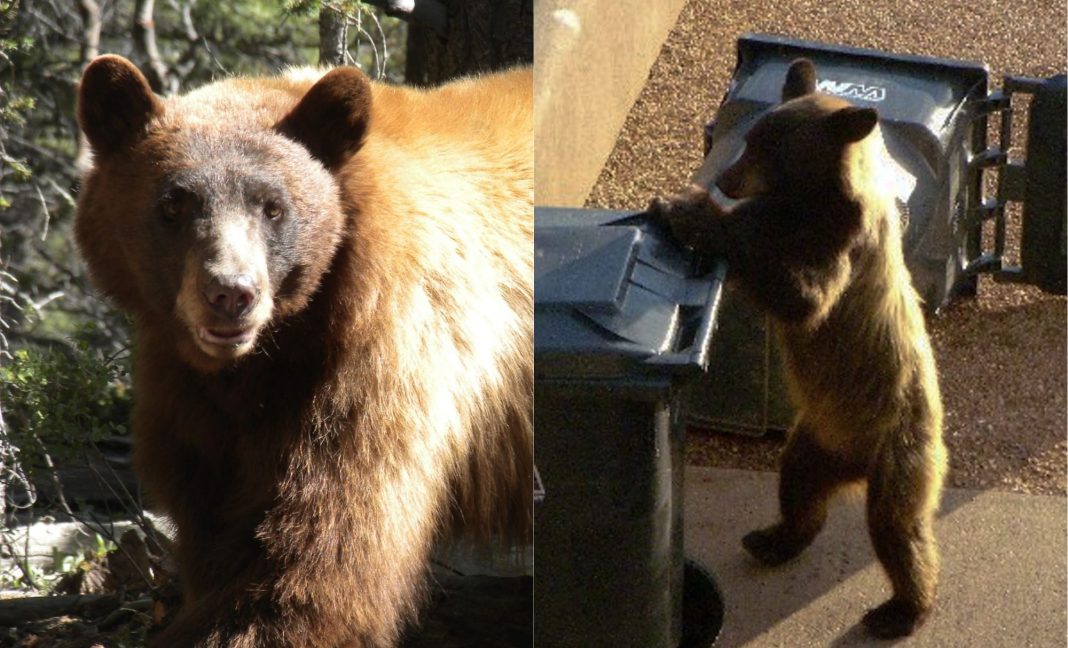
Have you ever wondered why bear sightings seem to be making headlines more often in New Mexico? Reports of bear encounters range from animals wandering harmlessly into homes to dangerous and deadly attacks on residents. These incidents not only draw public attention but also create rumors and false claims.
Some citizens say authorities kill most bears, which they believe are only searching for food and water. Some condemn euthanasia, arguing that the animals pose no threat to people or property. Other residents urge New Mexicans not to report bear sightings or encounters to the Department of Wildlife. Agency personnel will only shoot the large mammals, they claim.
Some residents also accuse the government of staying silent about the encounters. Meanwhile, others claim that people themselves drive bears into neighborhoods by deliberately leaving out food and water for them.
But how much truth is there to these claims? Our team conducted an in-depth fact-check of bear sightings in New Mexico, separating truth from misinformation so you won’t have to.
CLAIM #1: Bear sightings are increasing in 2026.
If you live in New Mexico, you’ve probably seen videos and articles about bears showing up in some neighborhoods. This has raised questions about whether the state is seeing more bears or just getting more public attention.
TRUE: The New Mexico Department of Wildlife received around 230 bear reports this year. An August 11 report shows that the figure has increased from 159 last year.
FALSE: The New Mexico Department of Wildlife said it recorded fewer bear sightings this year.
CLAIM #2: Bears can be active any time of the year.
Bear activity is seasonal, so you may see more of them at certain times of the year. Some people believe these animals are active all year.
TRUE: Black bears remain active from mid-April through mid-November.
FALSE: You can spot bears year-round.
CLAIM #3: Bears intentionally leave their habitat to explore.
Bears sometimes leave the mountains to look for food and water. Some individuals think they go into neighborhoods for an easy meal, while others worry that they may be dangerous to people.
TRUE: In spring, rising temperatures bring bears out of hibernation and their winter dens in search of food. They often move to lower elevations, where plants sprout earlier, bringing them closer to homes.
FALSE: Bears enter neighborhoods because they want to hunt humans.
CLAIM #4: Bears are naturally aggressive towards humans.
This question often comes up in communities and online groups. Because of their size and stories of encounters, people can get scared of bears.
TRUE: Bears generally avoid conflict with people. Bears are most dangerous when they feel surprised, protect their cubs, or defend food such as a carcass. They rarely show predatory behavior towards humans. However, bears that associate people with food or garbage may become aggressive and threaten public safety.
FALSE: Bears consider humans as regular prey and attack people on sight.
CLAIM #5: Bears pose a danger when they enter neighborhoods and communities.
Hundreds of bear sightings have been recorded as of August this year. Many residents wonder what these animals do when they enter some neighborhoods.
TRUE: A bear wandered near a school in Santa Fe. In Las Vegas, a homeowner found a bear standing in front of her open refrigerator. Near the Tramway area, residents filmed the large animal stuck in a backyard tree. Meanwhile, a black bear bit a camper as he rested inside his tent in the Red River.
Experts and state wildlife agencies say the winter brought unusually dry conditions. The drought wiped out plants, grasses, berries, and nuts that make up about 90% of bears’ diet. Their strong sense of smell can lead them to human food. Urbanization has also pushed people into areas where these animals once foraged.
FALSE: Bears enter New Mexico neighborhoods looking to attack people.
CLAIM #6: A person in New Mexico died in a bear attack.
Bear sightings have increased in New Mexico this year, raising concerns about the possibility of fatal encounters. A recent death in Crystal has also drawn attention to the risks of getting too close to the animals.
TRUE: Authorities said that a bear killed a man in Crystal, New Mexico on August 20, 2026, marking the state’s first fatal bear attack in 25 years. The Navajo Police Department’s Window Rock District confirmed the death, saying the victim succumbed to his injuries.
FALSE: No one in New Mexico has died from a bear attack.
CLAIM #7: Authorities have killed thousands of bears in New Mexico so far this year.
As bears move into communities in search of food, some encounters end with authorities or landowners killing the animals. The growing number of bear deaths has also raised concerns among animal advocates.
TRUE: Drought has reduced bears’ natural food sources, pushing them into cities more frequently. According to the state wildlife agency, officials and landowners have killed 187 bears in New Mexico this year. The figure marks the highest number recorded since 2011.
FALSE: Authorities have not killed any bears so far. They do not kill bears because the animals do not threaten residents’ safety.
CLAIM #8: Authorities euthanize bears in New Mexico.
Authorities take action when bears enter neighborhoods, but that doesn’t always mean they shoot the animals. In some cases, they may euthanize them instead.
TRUE: The Department of Wildlife said it euthanizes bears that return to homes in search of food or threaten public safety. As of August 19, the department has euthanized 129 bears in New Mexico this year.
Meanwhile, wildlife officials relocated 35 adults and 16 cubs.
FALSE: The Department of Wildlife euthanizes bears immediately upon their first neighborhood sighting to control the overall population size.
CLAIM #9: New Mexico authorities are not taking action amid the rising bear sightings.
New Mexico officials and wildlife personnel are responding to the growing number of bear sightings across the state. Residents want to know what authorities are doing to manage these encounters and keep communities safe.
TRUE: The Department of Wildlife confirmed that bears have appeared in Santa Fe, Albuquerque, and other communities. The department said its officers and biologists actively secure scenes and safely remove them from affected areas.
It likewise confirmed that more bears have become involved in human-bear encounters throughout New Mexico in 2026. The increase may reflect a temporary response to environmental and habitat conditions. Current observations show that bears are likely moving farther to find food.
The department said it aims to prevent bears from becoming habituated to people. It urged the public to remove accessible food and water sources to help achieve that goal.
FALSE: The Department of Wildlife denied the bear sightings. Authorities immediately shoot bears whenever they find them to prevent public panic.
How to Keep Bears Away From Your Yard
Bear sightings have become common in some neighborhoods. The state’s Department of Wildlife (NMDOW) shares tips to keep the animals out of your yard.
According to NMDOW, dry conditions are a major factor driving bears out of their habitats in search of food and water. If you live in bear country, follow these tips to keep them away from your home:
- Plant fruit trees away from your house and pick fruit as it ripens. It is important to remove any spoiled fruit that falls to the ground. Bears have a strong sense of smell and actively seek fruit trees, especially when the fruit is ripe or rotting.
- Keep woodpiles away from your house because they can attract rodents, which may also attract bears.
- Keep compost piles away from your house and avoid adding melon rinds or other fragrant fruits. Food scraps and strong odors can draw bears to your home.
- Keep livestock and beehives away from your house because they can provide bears with easy access to high-calorie food.
Meanwhile, NMDOW has issued safety measures to help you protect yourself from bears. Following these tips can prevent rare but dangerous attacks and keep the animals safe.
- Never feed or approach bears because they may defend themselves if you get too close. Protect yourself by giving them plenty of space.
- Secure food, garbage, and recycling because food and its odors attract bears. Avoid leaving anything accessible that could encourage them to return.
- Remove bird feeders when bears are active. Birdseed and other grains provide high-calorie food that can attract these animals.
- Never leave pet food outside as it can bring bears closer. Give outdoor pets portions they can finish at each meal, then remove leftover food and bowls.
- Clean outdoor grills thoroughly after each use and remove all grease and fat. Bears can detect leftover food odors and grease from miles away. Store clean grills and smokers in a secure area to keep them away.
- Inform your friends and neighbors about recent bear activity and share tips for avoiding conflicts. Your advice could help others stay safe and protect these animals.

