

New Mexico’s attorney general has warned that thousands of public comments supporting an air-quality permit for the controversial Project Jupiter data center may not reflect genuine public opinion.
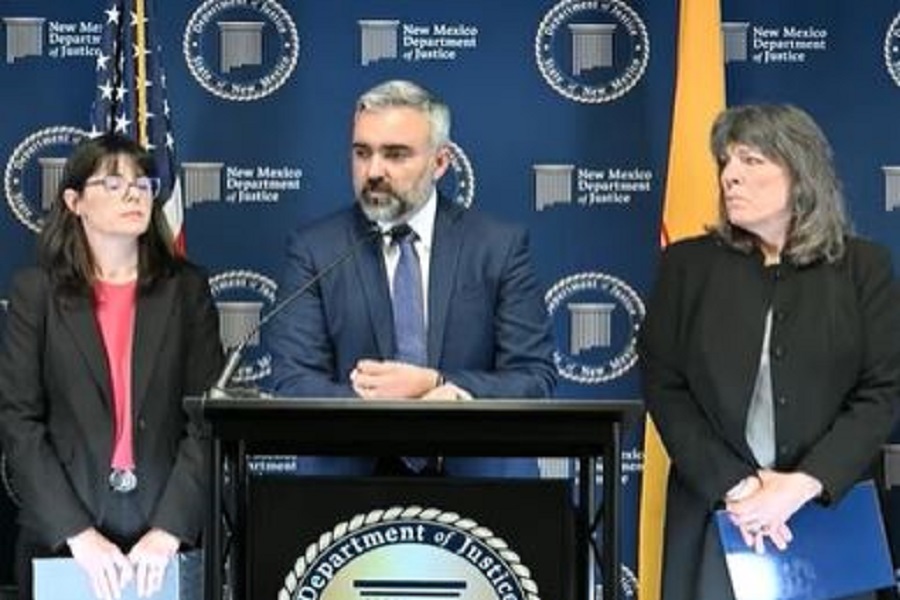
New Mexico Attorney General Raúl Torrez has warned that a significant portion of public comments supporting an air-quality permit for the Project Jupiter data center may not represent genuine public opinion. His office reviewed 17,419 submitted comments and found roughly 60%, between 10,000 and 10,600, were nearly identical form letters, often linked to a small number of internet addresses and unverified out-of-state phone numbers.
The investigation began after residents and officials, including state and local representatives, reported that comments had been submitted in their names without consent. Torrez did not assign responsibility but called for flagged comments to be labeled unverified, records preserved, and the comment period potentially reopened. The Environment Department and Oracle, involved in the Doña Ana County project with OpenAI, said they are cooperating as investigations continue.
Attorney General Raúl Torrez said his office reviewed all 17,419 comments submitted during the public comment period. The review found that about 60% — between 10,000 and 10,600 submissions — were nearly identical form letters supporting the permit.
In a letter to New Mexico Environment Department Secretary James Kenney, Torrez said the review raised serious questions about the authenticity of the public record.
The flagged comments came from about 9,000 internet addresses, most of which submitted only one comment. Many also included out-of-state phone numbers, even though the online portal did not require phone numbers.
“We believe that there are potentially thousands of fraudulent comments included in the public record,” Torrez said.
However, Torrez warned against drawing conclusions about who submitted the comments or why. “This letter does not establish who is responsible for any particular comment, and it does not characterize anyone’s intent,” he wrote. “It does establish that a number of comments cannot be read as a measure of public opinion until the record has been verified.”
Comments submitted without consent
Torrez launched the investigation in July after residents of New Mexico’s largest cities and several politicians said supportive comments had been submitted in their names without their knowledge or consent.
State Representative Cristina Parajón and Albuquerque City Councilor Tammy Fiebelkorn were among the officials who claimed their names were used in the public comments.
Fiebelkorn said, “I was surprised and then I was pretty darn angry.”
Project Jupiter is a large data center planned for Doña Ana County, with involvement from Oracle and OpenAI. Through Yucca Growth Infrastructure, the project has applied for an air-quality permit for a natural gas-powered microgrid that uses fuel cells.
Torrez has asked the Environment Department to preserve all data and metadata from its public comment portal and label the flagged submissions as “unverified.”
He also urged the agency to ask the hearing officer whether those comments should be considered during the permit process.
Torrez suggested reopening the public comment period if the authenticity of the record cannot be confirmed.
Responses from the Environment Department and Oracle
Environment Department spokesman Drew Goretzka said Kenney met with Torrez to discuss the investigation. Goretzka said the department will continue preserving records and fully cooperate with investigators.
“Any person or organization that attempts to misuse the public comment process to steer a permit decision should be held accountable,” Goretzka said.
Oracle has also said it has fully cooperated with the attorney general’s investigation and will continue to do so. The company said any improper conduct should be addressed, but warned against allowing the investigation to overshadow the thousands of residents who participated honestly in the public process.
The investigations are ongoing. Their outcome could affect the Project Jupiter air-permit process and raise broader questions about how regulators verify public comments on major projects.