

There are moments when a lawsuit is more than a court submission. Sometimes it is a civic warning flare. The lawsuit brought Thursday by the New Mexico State Ethics Commission against Elevate New Mexico is one of these moments.
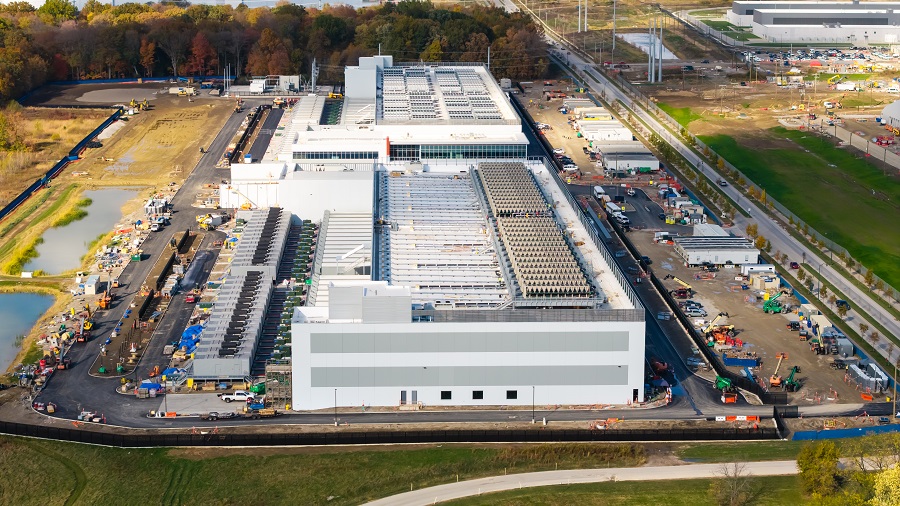
Elevate New Mexico is described as a shadowy, out-of-state company behind a sweeping campaign that promotes the proposed OpenAI-Oracle “Project Jupiter” data center complex. And the lawsuit against the company is not just about paperwork, registration rules, or reporting requirements. At stake is the integrity of democratic consent. It is not only about compliance with the state’s Lobbyist Regulation Act.
According to the complaint filed in state district court, the company spent money on ads urging residents to support permits for natural gas power plants tied to Project Jupiter. The complaint alleged that Elevate New Mexico lobbied state regulators during a critical public comment period while it refused to register as a lobbying organization or disclose who funds the campaign.
“Despite the Commission’s request for compliance with the registration and disclosure requirements…Elevate refuses to register and to disclose any information related to its expenditures and contributions for its advertising campaign for the purpose of lobbying Secretary Kenney to approve Acoma, LLC’s air permit applications,” the lawsuit says.
The public, the lawsuit stresses, has a right to know “who is contributing money to fund advertising campaigns for lobbying, including who Elevate is and who is contributing money to Elevate.”
That should trouble anyone, regardless of their stand on artificial intelligence, data centers, or economic development. Because the question here is simple: If a project is as transformative and beneficial as New Elevate Mexico claims, why hide the messengers?
The ads promised prosperity in almost astronomical proportions — hundreds of millions in community investments, enhancements to water systems, and thousands of jobs. Mailers bearing carefully curated imagery invoke New Mexico identity while hiding the interests behind them.
In March, Brant reported that purple and yellow mailers began arriving across the state. The mailers came with a promise of $360 million in community investments, $50 million for local water system upgrades, and “thousands of high-paying careers” prioritizing residents of Doña Ana County.
Critics called it “brownwashing,” using stock photography and corporate names wrapped in regional symbolism. Those criticisms sounded harsh months ago. But the Ethics Commission lawsuit now gives them a voice.
“New Mexicans have a right to know who is funding efforts to influence state official acts that impact their communities, environment, health, and public resources,” State Ethics Commission Deputy Director Amelia Bierle said in a statement.
This is not about an isolated fight over one ad campaign. It lies at the intersection of several larger issues: the unchecked expansion of energy-intensive AI infrastructure, the increasing political power of shadowy corporate advocacy groups, and a pattern in which communities are asked to bear the environmental risks while outsiders dictate the narrative.
Project Jupiter has already stirred the hornet’s nest over water, emissions, and the reliance on natural gas generation amid a warming world. Those debates deserve an explanation. New Mexicans instead were met with a multimillion-dollar campaign whose financial backers remain a mystery.
The Ethics Commission is right. Disclosure is not optional. Transparency is not an anti-business burden. But the minimum price of legitimacy.
“Considering the quantity of greenhouse gases and nitrogen oxides that Project Jupiter microgrids are likely to emit, this matter is of great public import,” the Commission said in its court filing.
This case may seem procedural, but disclosure laws exist precisely because power often prefers anonymity. Money seeks influence quietly. Democracy demands transparency.
And there is a larger irony. Proponents of Project Jupiter hyped it as the infrastructure of the future. Yet the politics surrounding the massive project have unfolded through secrecy, front groups, and undisclosed spending.
Indeed, it is difficult to sell the future while operating like a machine from the past.
The lawsuit does not decide whether Project Jupiter should proceed. It shouldn’t be. That judgment belongs to state regulators and, ultimately, the public. It insists, however, on something indispensable before any such decision can be legitimate: people have the right to know who is trying to persuade them.
That should not be controversial. In a political age saturated with dark money and artificial grassroots campaigns, the state has drawn a line worth defending.
Whether this lawsuit compels disclosure from Elevate New Mexico or exposes broader networks of influence, it serves as a reminder that economic development cannot come wrapped in secrecy and still claim public trust.
The question raised by this lawsuit is not only about who funded these ads. It is who speaks for New Mexico: is it the people, or the money speaking through anonymous intermediaries?
A court may answer the legal question. Citizens should insist on transparency, too. Upon knowing of the court filing, Neeshia Macanowicz, a Las Cruces resident who received one of the mailers, said: “I hope this is indicative of what’s to come.”

