

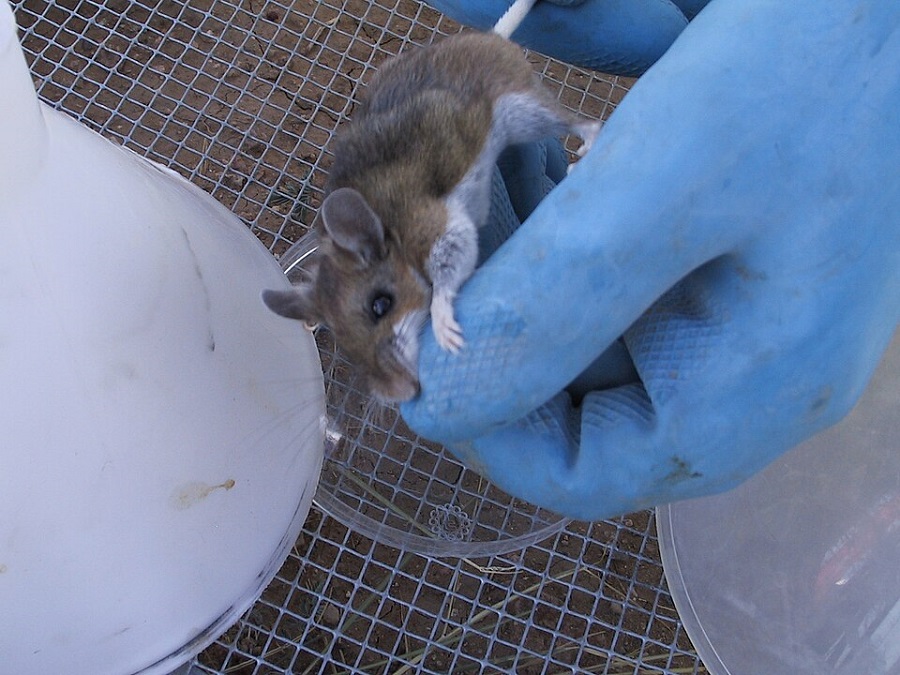
A deadly hantavirus outbreak on a Dutch cruise ship stirred fears about the virus worldwide. Health officials in New Mexico, however, say residents should understand the distinction: the strain circulating in the American Southwest has no evidence of human-to-human transmission.
The World Health Organization (WHO) confirmed the outbreak, infecting at least eight passengers and crew members, and resulting in three deaths. Investigators identified the virus as the Andes strain, circulating mainly in Chile and Argentina. It is the only hantavirus strain with documented cases of person-to-person transmission. WHO says such spread remains unique and usually requires prolonged close contact.
But health officials in New Mexico say the concern is different. “The Sin Nombre virus, the virus that circulates in New Mexico, does not transmit person-to-person,” Dr. Erin Phipps, a public health veterinarian with the New Mexico Department of Health, told Source NM. “It transmits only from rodents to humans.”
Over 30 strains of hantavirus exist worldwide. Rodents carry many of these strains, which are capable of causing severe respiratory disease. New Mexico has a long history of hantavirus infections. But the state has recorded only one confirmed case so far in 2026.
Even so, New Mexico has documented the highest number of hantavirus cases nationwide over time. Between 1975 and 2025, health officials reported 142 cases of Sin Nombre hantavirus and 55 deaths.
Hantavirus drew national attention after the death last year of Betsy Arakawa, the wife of actor Gene Hackman. The couple was found dead in their home in Santa Fe. Autopsy confirmed that Arakawa died from hantavirus pulmonary syndrome.
The primary risk in New Mexico comes from exposure to rodent droppings, urine, or nests, particularly in confined spaces such as sheds, garages, and cabins where particles may linger in the air, health officials say.
Symptoms of hantavirus pulmonary syndrome often start with fever, fatigue, and muscle aches. The symptoms may appear one to six weeks after exposure. In severe cases, it can swiftly advance to critical respiratory failure. There is no specific antiviral option to treat the disease. Treatment solely relies on supportive measures to reduce symptoms and stabilize the patient’s health.
To minimize the risk of infection, the state health office advises the public to wear gloves and masks when cleaning rodent-infested areas and to dampen droppings and nests with disinfectant, such as a 10 percent bleach mix, before cleaning them up. Officials strongly warn residents against sweeping or vacuuming rodent waste, which can spread the virus through the air.
Accurate information dissemination is important so the public will know how to protect themselves, Dr. Phipps said.

