
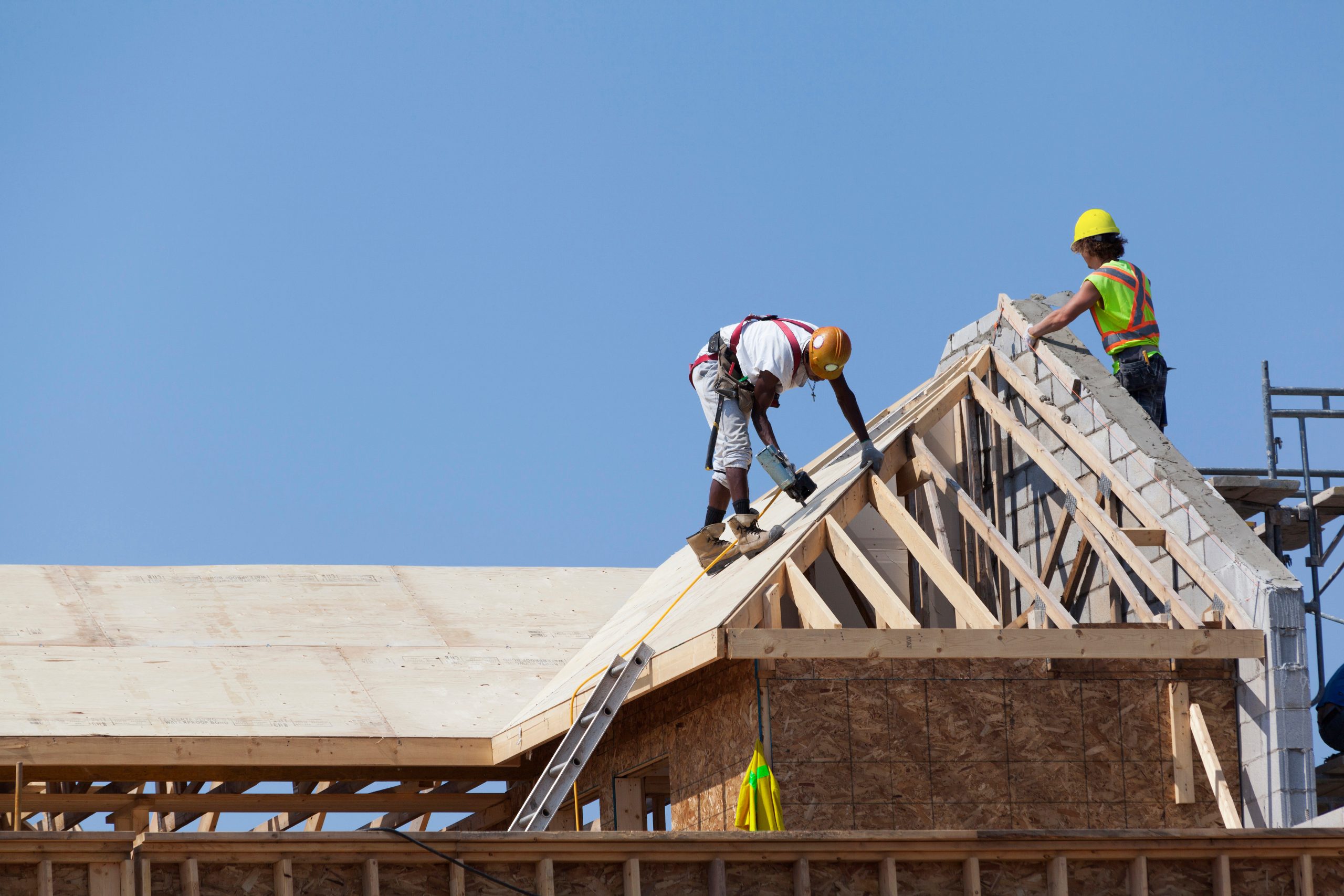


New Mexico lawmakers are considering a bill to boost affordable housing construction by creating a gross receipts tax deduction for materials and labor used on qualifying multifamily projects. Senate Bill 92 was pre-filed by state Sens. Michael Padilla of Albuquerque and Cindy Nava of Bernalillo ahead of the 30-day regular legislative session beginning later this month.
Under current law, developers must pay the state’s gross receipts tax, a broad levy on business revenue akin to a sales tax on construction inputs, including materials and labor. Gross receipts tax rates vary by location and apply to most business transactions in the state, making it a significant component of project costs.
SB 92 would amend the Gross Receipts and Compensating Tax Act to allow a deduction for receipts from the sale of construction materials and labor used to build affordable multifamily housing. The deduction would apply through June 30, 2033, if the housing units are designated for households with incomes at or below 80 percent of the area median, and the materials and services are sold to an eligible grantee under the Affordable Housing Act.
Key facts lawmakers and developers are focusing on
- Potential cost savings: Developers say exempting eligible projects from the gross receipts tax could save millions in construction costs, improving financial feasibility. For one 312-unit project in Santa Fe, sponsors estimate savings of about $7 million.
- Housing shortage context: Albuquerque and other New Mexico cities face a long-standing shortage of affordable housing units. Estimates suggest a shortfall of 13,000 to 28,000 affordable rental homes in the Albuquerque area alone.
- Rent and budget impact: Increasing the number of affordable units could expand options for households earning up to 80 percent of the local median income, reducing upward pressure on rents and easing household budget strain.
- Policy and revenue balance: Supporters argue that reducing the gross receipts tax on these projects would have minimal impact on municipal tax revenue and could spur broader investment in housing development.
Affordable housing has been a persistent challenge in New Mexico. Rapid price growth in cities such as Santa Fe has left many families struggling to find housing that costs no more than 30 percent of their income. Policymakers have introduced a range of initiatives in recent years — from tax credits and loan programs to housing trust funds — to address supply-and-demand gaps.
State officials and industry observers say gross receipts tax exemptions could change the calculus for developers who often rely on a patchwork of federal, state, and local incentives to make affordable projects financially viable. Without relief, construction costs can escalate, forcing higher rents or deterring investment altogether.
Bill sponsors have said the exemption would make New Mexico more competitive in attracting affordable housing development. Developers from national firms involved in the Santa Fe project say the tax savings alone could fund the equivalent of dozens of additional units if allocated elsewhere in the project budget.
Critics of tax exemptions caution that policymakers must balance incentives for development with the need to preserve revenue for public services. As gross receipts tax revenues help fund state and local government operations, any new deduction must be weighed against potential impacts on education, infrastructure, and other budget priorities.
Supporters counter that targeted incentives can spur long-term economic benefits by reducing housing insecurity, lowering service costs associated with homelessness, and expanding the workforce — particularly in areas where housing costs have outpaced wage growth.
As the New Mexico Legislature convenes, SB 92 will be considered alongside other housing and tax measures. If approved, the gross receipts tax deduction would take effect July 1, 2026, and remain in place through 2033. Whether lawmakers prioritize it could shape the pace and scale of affordable housing development in the state’s most expensive markets this year.