
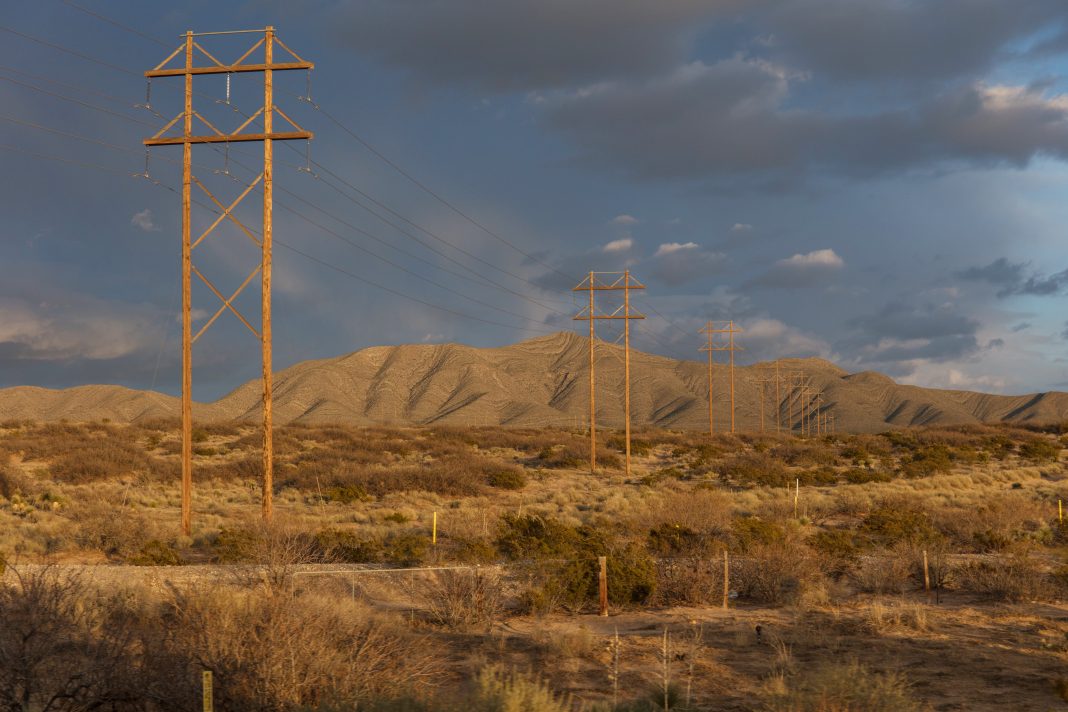


New Mexico lawmakers are preparing to introduce the “Clear Horizons Act.” This bill would make the state’s greenhouse gas targets official and give state agencies greater authority to plan, track, and enforce emissions reductions over time. The New Mexico Sentinel has raised concerns that the bill could lead to higher utility and fuel costs for families and create uncertainty for investments in the state’s oil and gas industry.
Supporters, including Senate Democrats, say the bill would lock in current state goals, give regulators better tools for long-term planning, and focus new rules on the largest industrial polluters. The bill would also require more monitoring, reporting, and public transparency.
Key facts you should know
- Targets: Reduce emissions by at least 45% below 2005 levels by 2030, 75% by 2040, and reach net-zero by 2050 (as described in bill summaries).
- Mechanics: The bill directs the Environmental Improvement Board and state agencies to create plans and rules, with annual emissions reporting and compliance checks.
- Scope: The bill mainly targets large, fixed sources of emissions. It also creates a process to certify offset or credit projects (per summaries).
- Process: Lawmakers plan to introduce the bill in the 2026 session, and it will first go to committees for review (per legislative and press reports).
How this policy could impact your budget: key questions
Most households will probably notice changes first in utility rates, fuel prices, and any rebates or fees on their bills, rather than in the target year itself. The Sentinel’s main concern is that moving away from natural gas quickly and adding stricter emissions rules could feel like a “regulatory tax.” They also point to examples from other states as warnings.
If you want to set aside the politics and focus on your budget, the main question is whether policymakers can clearly show:
- The total cost of the system (including generation, transmission, and reliability upgrades),
- Who pays and when, whether it’s ratepayers, taxpayers, or industries that must comply, and
- How many bills might change, either from swings in gas prices or from the costs of building out the grid?
Home efficiency: how to prioritize upgrades if prices get unpredictable
If you want to prepare for uncertainty, start by reducing your energy use before you think about replacing equipment:
- Air sealing and insulation usually offer the best return because they lower heating and cooling needs right away.
- For HVAC systems, replace them when they break or when incentives are especially good. Otherwise, focus on regular tuning and maintenance.
- For solar, calculate the payback period using your post-incentive price, your utility’s rate structure, and realistic expectations for how much energy you’ll produce.
Budgeting for change: a straightforward approach
- Test your monthly budget by raising the amount you set aside for utilities and fuel for a few months, even if you expect costs to drop.
- Treat rebates and financing offers like any loan. Compare the APR, fees, required contractors, and whether the savings are guaranteed or just estimated.
- If you rent, focus on savings you can take with you, like weatherstripping, smart thermostats (if allowed), and changing your usage habits, since you can’t benefit from building upgrades.
The real impact on consumers will depend on the rules that follow the bill’s passage. This includes how emissions limits become requirements, what counts for certified projects or credits, and how grid reliability and affordability are handled in rate cases. These details, more than the net-zero goal itself, will determine if “affordable energy” is a real outcome or just a slogan.