
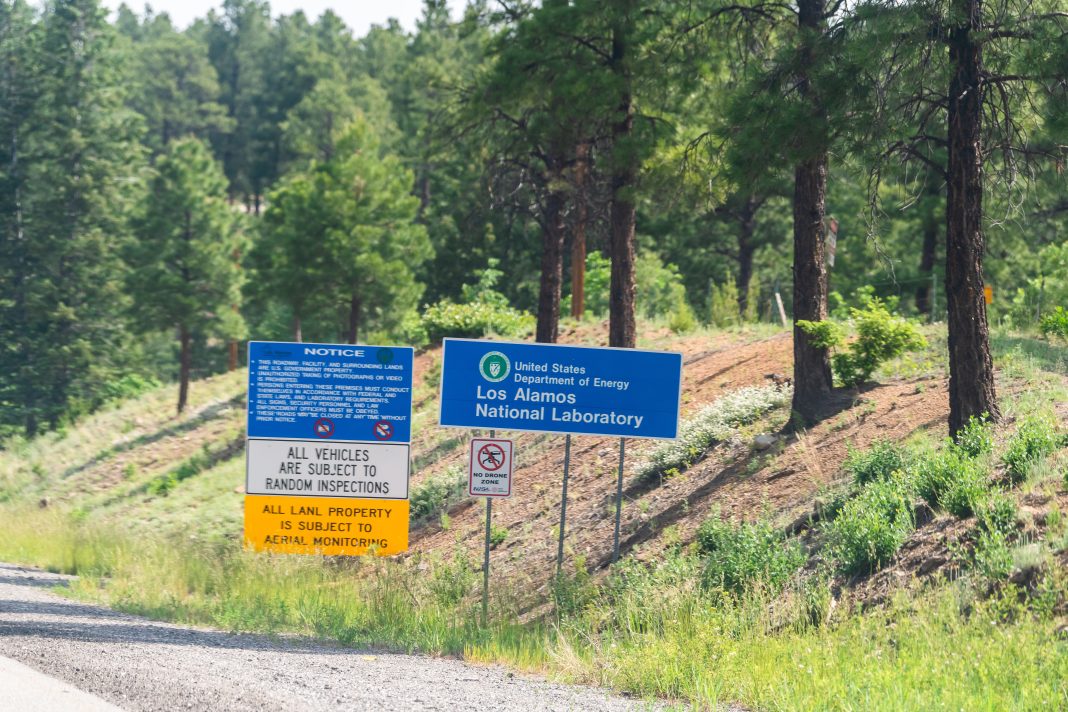


Los Alamos National Laboratory (LANL) directed about $2.9 billion into New Mexico during fiscal year 2025, highlighting the lab’s major role in the state’s northern economy as federal funding for national security work stays high.
The figure comes from LANL’s new FY2025 economic impact report, which the lab and the Albuquerque Journal say tracks salaries, procurement, and gross receipts tax (GRT) tied to the lab’s operations. LANL’s total budget for the year was $5.28 billion, so most funding still goes outside the state through national supply chains and other spending, even as New Mexico remains a major beneficiary.
Crucial facts (at a glance)
- FY2025 budget: $5.28B
- Spending in New Mexico: ~$2.9B
- New Mexico procurements: $752.5 (including $318M to NM small businesses)
- Estimated NM gross receipts taxes from LANL spending: ~$141M
- Workforce (excluding contractors): 16,487
The report also shows where jobs are concentrated. Of the 16,487 employees (excluding contractors), the largest numbers were in Los Alamos County (5,402) and Santa Fe County (4,089), followed by Rio Arriba County (2,496) and Taos County (314).
LANL leadership attributed recent budget growth to the external security environment and continued political support for the lab’s mission. Director Thom Mason told the Journal that ongoing geopolitical tensions and “pretty strong bipartisan support for our national security missions” have supported funding levels.
Although hiring and spending remain high, Mason said things have slowed compared to previous years. Growth has tempered some expectations since 2023, when LANL hired about 2,400 people. The budget increased from $5.24 billion in FY2024 to $5.28 billion in FY2025. Mason said the lab is working with “roughly $5.3 billion” this year, and the federal FY2027 budget will be released next month.
In addition to payroll and contracts, the Journal report notes LANL’s efforts to support local suppliers and build the workforce. The lab’s Small Business Assistance program links New Mexico companies with technical experts at Los Alamos and Sandia National Laboratories. Other programs include partnerships with local colleges and career exploration opportunities for more than 1,000 K–12 students.
The article also notes that LANL remains under scrutiny for safety and environmental issues, as well as its economic impact. It cites recent reports of worker exposure incidents and contamination concerns raised by state and federal agencies.