
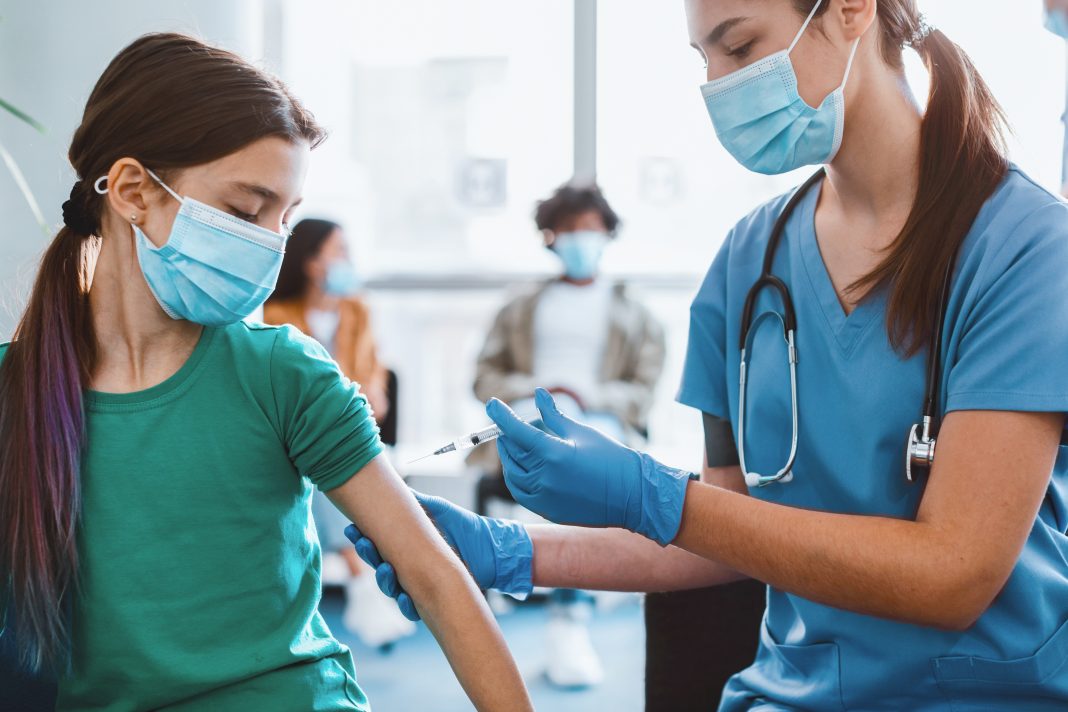


The New Mexico Department of Health announced that its school-based health centers (SBHCs) served more students over the past year.
NMDOH reported this development as it observes the National School-Based Health Center Awareness Month this February. The observance aims to increase awareness about how SBHCs transform children’s access to and delivery of comprehensive health services.
The agency said NMDOH-funded centers served nearly 20,000 school-age children in the 2024-2025 school year. The figure exceeds the 16,400 students served the previous year.
In a news release, NMDOH said this only indicates that access to health care for children and adolescents is improving.
SBHCs serve students from kindergarten through 12th grade statewide regardless of their ability to pay. Services include primary health care, preventive health care, mental health care, and referrals for further treatment.
In 2025, NMDOH’s Office of School and Adolescent Health increased funding for three additional brick-and-mortar school-based centers. The total number of centers rose from 59 to 62.
NMDOH also increased telehealth and mobile health services from 41 to 52 schools. The agency now has 114 initiatives helping kids stay healthy and in school.
“School-based health centers remove barriers and increase equitable access to health care and resources for children and youth,” said Kristin Oreskovich, clinical operations manager of NMDOH’s School-Based Health Center Program. “They are often the only place students receive health care, especially in communities without many healthcare options.”
SBHCs have supported New Mexico students for more than 25 years.
Goals of SBHCs
SBHCs aim to improve access to affordable quality primary care and mental health services for school-aged children and families.
The program also seeks to provide patient-centered care for all students, regardless of insurance status. Additionally, it is dedicated to improving educational outcomes by keeping students healthy and in class.
SBHCs operate while students are in school. As a result, students return to class faster than if they had sought health care in a non-SBHC setting. Further, SBHCs allow parents to avoid taking time off work to bring their child to the doctor.