

Saturday, February 7, 2026
60.4 F
Albuquerque

New Mexico Colleges Take a $102 Million Blow as Federal Research Stalls, With Tribal Schools Bracing for Deeper Cuts

State officials in New Mexico say public colleges face about $102 million in losses from canceled federal research grants, stop-work orders, and delayed projects. The state Higher Education Department says the disruption is already affecting public colleges, special schools, and the University of New Mexico Health Sciences Center, with the heaviest losses at research-reliant campuses.

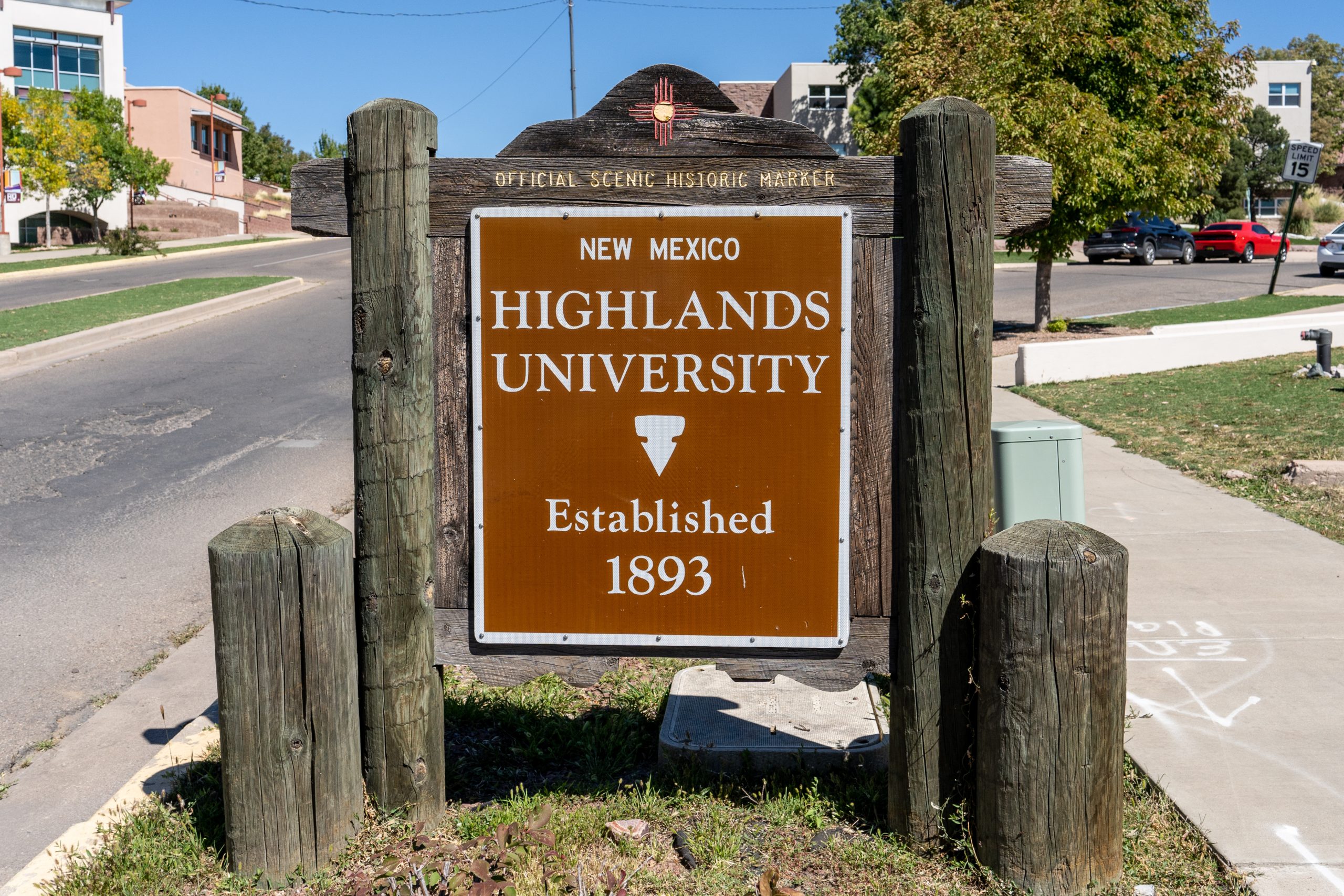
The New Mexico Institute of Mining and Technology faces the largest gap at $32 million, followed by New Mexico State University at $19 million and New Mexico Highlands University at $18 million. Stephanie Rodriguez, New Mexico’s higher education secretary, said her agency is tracking the impact on campuses and sharing the information with the governor’s office and the Department of Finance and Administration to inform decisions in the 2026 session.

The budget strain comes as the department conducts its annual capital outlay assessments through visiting campuses to review infrastructure needs ahead of funding decisions. This year, higher education institutions requested nearly $500 million for construction and repairs. Still, the department estimates only about $300 million will be available, which means many projects will be delayed even without the federal funding disruption.

Tribal colleges and universities in New Mexico and across the country are facing an even more acute threat. The administration’s fiscal year 2026 budget proposal would reduce operations funding for Bureau of Indian Education post-secondary programs from about $183.3 million to $22.1 million, an 88% cut that would take effect on October 1, 2025, if Congress enacts it. Those programs include career and technical schools, community colleges, and four-year institutions that serve Native students.

According to the American Indian Higher Education Consortium, tribal colleges depend on federal funding for about three-quarters of their operating budgets. Leaders have warned that if the proposal is enacted, some campuses could close, eliminating jobs and displacing students. At the Institute of American Indian Arts in Santa Fe, where roughly 80% of students are Native and 92 federally recognized tribes are represented, administrators have been working with New Mexico’s congressional delegation to preserve funding.

The funding debate comes against a backdrop of longstanding underinvestment in tribal higher education. A 2024 investigation by ProPublica and The Hechinger Report found that Congress underfunds the nation’s 37 tribal colleges by about $250 million each year compared with what federal law authorizes. The 1978 Tribally Controlled Colleges and Universities Assistance Act sets base funding at $8,000 per Native student, adjusted for inflation, but appropriations have rarely met that level. Advocates argue the shortfall undermines commitments tied to the federal trust responsibility to Native nations.

State and federal officials have not yet said how they will address the looming gaps. In Washington, a House panel advanced an Interior–Environment spending bill that provides overall funding for the Bureau of Indian Education but does not spell out post-secondary program levels. In Santa Fe, HED is feeding impact data to state budget officials as they prepare recommendations for the 2026 session, while college leaders say the outcome in Congress could determine whether some campuses can continue operating.

Hot this week

UNM Anderson Receives Donation from Thorntons for Healthcare Leadership Scholarship

Graduate students at UNM Anderson School of Management gain a new opportunity after Maribeth and Chris Thornton’s donation to establish a Healthcare Leadership Scholarship.

New Mexico $47M Transport Funding for Safety, Climate, and Communities: Why it Matters

Nearly $47 million in transportation funding from the New Mexico Department of Transportation goes beyond roads and bridges. The projects touch daily life—making streets safer, strengthening public transit, cutting emissions, and helping rural and Tribal communities close long-standing infrastructure gaps.

School-Based Health Centers (SBHCs) Help More New Mexico Students, NMDOH Reports

New Mexico school-based health centers (SBHCs) assisted nearly 20,000 students to stay healthy and in class during the 2024-2025 school year.

Childcare Advocates Press New Mexico Senate to Protect Wage Hikes Amid Budget Standoff

Childcare advocates are calling on New Mexico senators to retain proposed wage increases for early childhood educators, warning that low pay could drive workers out of the profession as lawmakers debate funding for universal childcare.

On the Heel on Infant’s Death Due to Listeria Infection, FDA Will Test Infant Formula After Botulism Outbreak Sickens Dozens of Babies

The FDA is testing infant formula and key dairy ingredients after a botulism outbreak hospitalized at least 51 babies, renewing concerns over food safety, oversight, and the risks facing infants and pregnant individuals.

Topics

UNM Anderson Receives Donation from Thorntons for Healthcare Leadership Scholarship

Graduate students at UNM Anderson School of Management gain a new opportunity after Maribeth and Chris Thornton’s donation to establish a Healthcare Leadership Scholarship.

New Mexico $47M Transport Funding for Safety, Climate, and Communities: Why it Matters

Nearly $47 million in transportation funding from the New Mexico Department of Transportation goes beyond roads and bridges. The projects touch daily life—making streets safer, strengthening public transit, cutting emissions, and helping rural and Tribal communities close long-standing infrastructure gaps.

School-Based Health Centers (SBHCs) Help More New Mexico Students, NMDOH Reports

New Mexico school-based health centers (SBHCs) assisted nearly 20,000 students to stay healthy and in class during the 2024-2025 school year.

Childcare Advocates Press New Mexico Senate to Protect Wage Hikes Amid Budget Standoff

Childcare advocates are calling on New Mexico senators to retain proposed wage increases for early childhood educators, warning that low pay could drive workers out of the profession as lawmakers debate funding for universal childcare.

On the Heel on Infant’s Death Due to Listeria Infection, FDA Will Test Infant Formula After Botulism Outbreak Sickens Dozens of Babies

The FDA is testing infant formula and key dairy ingredients after a botulism outbreak hospitalized at least 51 babies, renewing concerns over food safety, oversight, and the risks facing infants and pregnant individuals.

Clear Horizons Act: How New Mexico’s net-zero bill might affect you and your household budget

New Mexico lawmakers are set to introduce the Clear Horizons Act, a net-zero framework that would formalize statewide emissions targets and expand planning and reporting requirements. The central consumer question is cost: how compliance, grid investment, and fuel-market exposure could translate into utility bills and price volatility. What happens next in committee—and later in rulemaking—will determine whether “affordable energy” claims show up in measurable household outcomes.

A Fun Way to Learn: NMSU Unveils ‘Market Set Go!’

The New Mexico State University (NMSU) Cooperative Extension Service has released “Market Set Go!,” an educational game that teaches food safety in a fun way.

Kevin Matthes Retires From WNMU After Years of Dedicated Service

Assistant Vice President of Facilities and Operations Kevin Matthes retires from WNMU after leaving a lasting legacy on campus.

Related Articles