

New Mexico Escalates Pressure on U.S. Department of Energy in the Nuclear Waste Fight—What You Need to Know

State officials accuse the U.S. Department of Energy of lagging on cleanup, escalating a dispute over nuclear waste risks and accountability.

Federal officials over the years vowed to clean up the radioactive legacy of the Cold War in northern New Mexico. But state officials are now saying they failed to deliver their promises, leaving hazardous nuclear waste in precarious situations and prompting an escalating standoff with the U.S. Department of Energy.

The center of the dispute is a backlog of so-called legacy waste at Los Alamos National Laboratory. These wastes were produced during the earliest days of the nation’s nuclear weapons program. Some of that waste, state officials said, remains stored in aging containers or buried in unlined pits above groundwater, factors that increase the risk of long-term contamination threats.

Department of Energy’s disposal facility

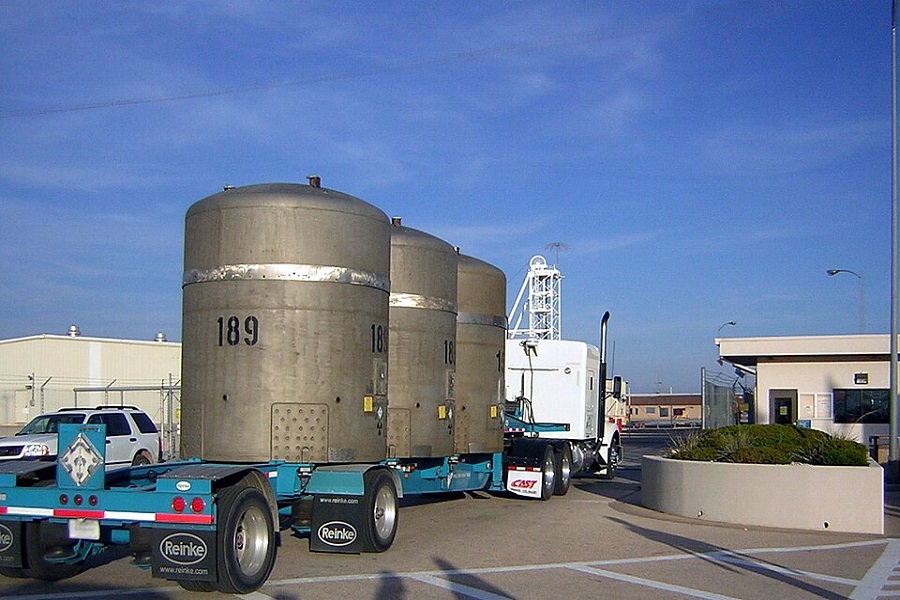
The federal government’s plan largely depended on shipping such waste to the Waste Isolation Pilot Plant, or WIPP, an expansive underground storage site carved into a salt formation near Carlsbad. Opened in 1999, the site isolates legacy nuclear wastes and still stands as the United States’ only permanent disposal facility of transuranic nuclear waste.

But state regulators pointed out, after a review of enforcement actions, the widening gap between federal commitments and on-the-ground progress. New Mexico’s Environment Department says cleanup schedules have slipped repeatedly, even as shipments from other states have moved ahead.

“The U.S. Department of Energy has failed to meet the Environment Department’s requirements to clean up legacy waste at Los Alamos National Laboratory and prioritize the disposal of such waste in the Waste Isolation Pilot Plant,” said Environment Secretary James Kenney.

Records show that state regulators have issued compliance orders and levied nearly P16 million in fines against the Department of Energy in recent months. State officials accused the federal government of failing to meet cleanup milestones. New Mexico considers revising WIPP’s permit so its own waste gets priority for disposal.

The Department of Energy denied the accusation. It claimed that safety rules, technical hurdles, and cross‑state transport challenges have hampered efforts to clean up. Federal officials also blamed competing demands from other states, including Idaho, which has sent significant volumes of waste to WIPP under federal agreements.

Those explanations, however, have done little to ease frustration in New Mexico. Communities near Los Alamos have borne the risks of radioactive waste while the weapons program spread its benefits nationwide.

Residents around Los Alamos

The conflict also highlights the boundaries of federal authority when states regulate. Washington controls the nation’s nuclear weapons complex, but New Mexico holds substantial power over environmental permits and compliance—an instrument it is increasingly willing to use.

At stake is not only the progress of cleanup at Los Alamos but also the fate of WIPP. The facility has limited capacity, and as cleanup efforts expand nationwide, competition for space has intensified. Officials decide which waste to ship—and when—making those choices into both logistical considerations and political judgments.

The issue comes down to accountability. The federal government cannot continue delaying the removal of nuclear waste while relying on the state to host both the storage sites and the disposal facility. With enforcement actions mounting, the standoff shows little sign of easing. Its outcome could ripple far beyond New Mexico, and will determine how the United States deals with the environmental legacy of its nuclear past.

For corrections, news tips, and any other content requests, please send us an email at [email protected].

Hot this week

Students Serve Gratitude and Knowledge in Unique School Events

Student-family relationships took center stage in recent APS school events.

Governor Orders Resumption of Food and Health Inspections Across New Mexico

Governor Michelle Lujan Grisham ordered statewide food and health inspections to resume on April 30, 2026, after a budget‑related pause. The move highlights the importance of sanitation standards and aligns New Mexico with broader efforts to strengthen public health safeguards.

UNM Health to Offer Free Skin Cancer Screenings in Albuquerque Metro

UNM Health is organizing free screenings for skin cancer on April 27, 2026, at its dermatology facility in Albuquerque and Sandoval Regional Medical Center in Rio Rancho. The skin cancer screenings will take place between 9:00 and 11:30 in the morning on a first come, first served basis, facilitated by medical students. This program emphasizes the significance of early detection since skin cancer is the most prevalent form of cancer in the country. Through the provision of free screenings, UNM Health becomes part of nationwide programs such as the “Destination Healthy Skin” campaign organized by the Skin Cancer Foundation and the American Academy of Dermatology's screening drive.

Gallup Faces High-Stakes Decision on Turning Wastewater Into Fuel for Massive Data Center

The Gallup City Council has delayed a vote on a proposal to sell treated wastewater to a data center developer, as residents and officials debate whether the plan could transform a scarce public resource into industrial fuel while deepening concerns over water security in arid New Mexico.

Governor Lujan Grisham Set for WNMU 2026 Commencement Address

The WNMU Spring 2026 Commencement Ceremony is scheduled for May 8.

Topics

Students Serve Gratitude and Knowledge in Unique School Events

Student-family relationships took center stage in recent APS school events.

Governor Orders Resumption of Food and Health Inspections Across New Mexico

Governor Michelle Lujan Grisham ordered statewide food and health inspections to resume on April 30, 2026, after a budget‑related pause. The move highlights the importance of sanitation standards and aligns New Mexico with broader efforts to strengthen public health safeguards.

UNM Health to Offer Free Skin Cancer Screenings in Albuquerque Metro

UNM Health is organizing free screenings for skin cancer on April 27, 2026, at its dermatology facility in Albuquerque and Sandoval Regional Medical Center in Rio Rancho. The skin cancer screenings will take place between 9:00 and 11:30 in the morning on a first come, first served basis, facilitated by medical students. This program emphasizes the significance of early detection since skin cancer is the most prevalent form of cancer in the country. Through the provision of free screenings, UNM Health becomes part of nationwide programs such as the “Destination Healthy Skin” campaign organized by the Skin Cancer Foundation and the American Academy of Dermatology's screening drive.

Gallup Faces High-Stakes Decision on Turning Wastewater Into Fuel for Massive Data Center

The Gallup City Council has delayed a vote on a proposal to sell treated wastewater to a data center developer, as residents and officials debate whether the plan could transform a scarce public resource into industrial fuel while deepening concerns over water security in arid New Mexico.

Governor Lujan Grisham Set for WNMU 2026 Commencement Address

The WNMU Spring 2026 Commencement Ceremony is scheduled for May 8.

Heads Up: UNM Launches Free Cancer Screening

The University of New Mexico offers free skin cancer screening. Here are a few details about it.

Why New Mexico’s Universal Child Care Program Is in Court — and How It Could Help Families Save Thousands

A court challenge is testing New Mexico’s universal child care program, but for many families the bigger question is economic: how much money can it save, and what is at stake if the program faces disruption? Here’s what the legal fight means and how the program could help household budgets.

Court Pushes Grisham’s Administration to Answer Senate Bill 241 Child Care Rollout Without Legislative Backing

A legal challenge to New Mexico’s universal child care program has become more than a courtroom dispute. It is a test of executive authority, political will and whether social programs families rely on can endure legal and partisan battles.

Related Articles