

Think 20th-century New Mexicans have nothing to teach us today? Think again.
The basement of Zimmerman library holds recordings that preserve the stories and wisdom of 20th-century New Mexicans. Voices of community elders and leaders, often speaking Spanish unique to the region, still echo through the tapes.
Samuel Sisneros, archivist at the Center for Southwest Research (CSWR), and María Feliza Monta-Jameson, fellow at the Center for Regional Studies, lead the New Mexico Spanish Language Archival Recovery Project. They work to preserve archival collections of audio and video interviews of native New Mexico Spanish speakers.
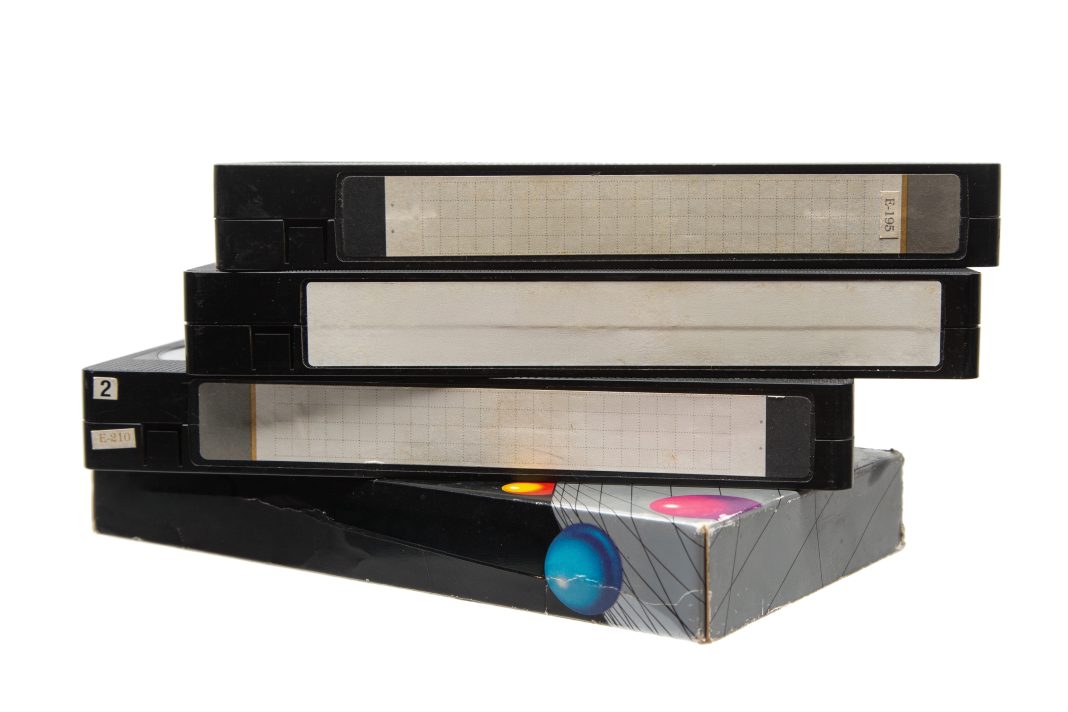
Monta-Jameson works to digitize interviews recorded on old technology and upload them to the University of New Mexico’s digital repository.
“We’re linking the previous way of doing things to modern technology and making it more accessible. A lot of these collections have been sitting in boxes, and we’re losing ways to play them because the technology isn’t trustworthy anymore,” said Sisneros through UNM News.
Archival Recovery Efforts
This project gathers the earliest and most extensive collection of recorded New Mexico spoken Spanish. Regional community elders shared their knowledge in interviews aimed at documenting local population knowledge.
“Our hope is that people can find this footage easily,” Monta-Jameson said. “Oftentimes the descendants of those who participated in the interviews find the archive. We want to keep collective memory of Nuevo Mexicano culture alive.”
The variation in technology limits access to the media. They must reprocess the files into electronic formats to make them widely available. They also remove long pauses and fix technical problems. Finally, they write abstracts to explain each clip’s context. So far, they have digitized around 800 interviews.
Monta-Jameson said that her first language, Spanish, and her background in the educational linguistics program helped them. This knowledge, combined with Sisneros’s expertise, has allowed them to quickly digitize hundreds of interviews since the project began in 2025.
Inspiration Behind the Project
Sisneros said a famous show produced in New Mexico inspired this project. The Val De La O Show became one of the first nationally syndicated Spanish-language television programs. It was on air from the 1960s until 1985. De La O was considered the “Spanish equivalent of Johnny Carson.”
“It enriches the knowledge in terms of linguistic features because I now understand better why the varieties of Spanish spoken in different areas encapsulate the culture and the people who speak that language,” Monta-Jameson said.

