

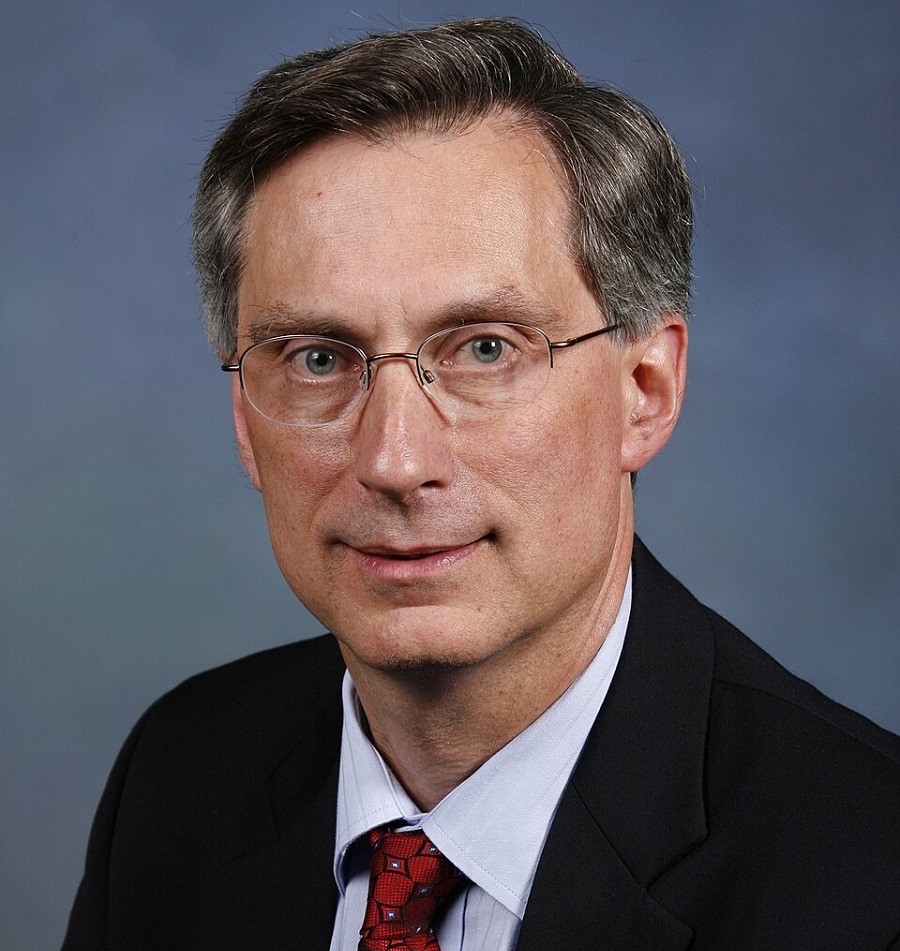
The fatal head-on collision that killed Charles McMillan, one of the nation’s most prominent nuclear physicists, a year and a half ago. But the driver responsible will not spend even a day in jail — a sentence that highlights how even fatal crashes can be treated as minor traffic matters.
A municipal judge in Los Alamos handed down a suspended sentence to Nadia Lopez, 23, under a plea agreement. The court’s decision allowed her to avoid incarceration as long as she commits no traffic violation over the next 90 days.
The sentence? Ninety days in jail, fully suspended, along with unsupervised probation. That means Ms. Lopez will remain free unless she violates the terms of probation. The judge also ordered her to pay a $1,500 fine or complete 67 hours of community service.
Why did the court decide no jail time for her? The answer lies in the charges.
Prosecutors filed petty misdemeanor counts: speeding, reckless driving, and failure to maintain a traffic lane. They did not charge her with felony, no vehicular homicide count, and no allegation of criminal intent or intoxication. The legal outcome is largely constrained because the lawyers handling the complaint framed it as a traffic offense rather than a homicide prosecution.
Police investigations said Ms. Lopez likely crossed the center line on East Road on Sept. 6, 2024. Her vehicle collided head-on with Mr. McMillan’s vehicle. Investigators did find no driving error on Mr. McMillan’s part. He was 69.
In a system where charges framed deadly crashes through the lens of ordinary traffic law, death does not necessarily lead to incarceration. It can lead to fines, probation, or a suspended sentence.
For many people, the disposition illustrates how the justice system works. The decision differentiates between violence committed with intent and violence produced by negligence behind the wheel — even when the outcome is the same.
Mr. McMillan once led Los Alamos National Laboratory. He played a central role in the nation’s nuclear enterprise. Investigators attributed his death due to the crash to the other driver crossing into his lane.
The fatal crash claimed the life of the scientist. The incident has since become an illustrative but unsettling example of how accountability in fatal traffic cases can hinge less on the gravity of the results. It can also hinge on the modest scope of the charges brought.

