Home Blog Page 27

Education Secretary Warns Universities: Comply with Civil Rights Law or Risk Losing Federal Funding

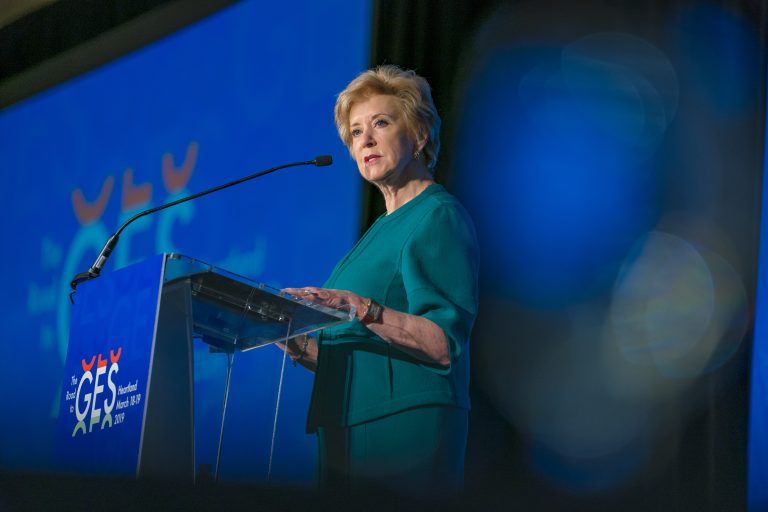
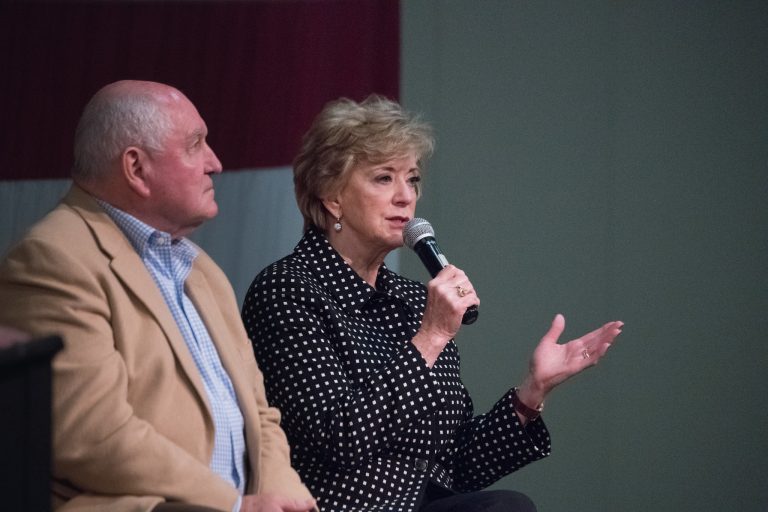
U.S. Secretary of Education Linda McMahon announced that universities failing to adhere to Title VI of the Civil Rights Act of 1964 may face the loss of federal funding. This declaration comes amid ongoing investigations into institutions like Harvard University for alleged violations related to antisemitism and discriminatory practices.

Title VI prohibits discrimination based on race, color, or national origin in programs receiving federal assistance. McMahon emphasized that compliance is mandatory, stating, “Federal financial assistance is a privilege, not a right.”

The Department of Education has been scrutinizing universities for their handling of antisemitic incidents and diversity, equity, and inclusion (DEI) programs. In April, the department initiated a review of over $8.7 billion in federal grants and contracts awarded to Harvard, citing concerns over the university’s response to antisemitism on campus.

Critics argue that the administration’s actions may infringe upon academic freedom and the autonomy of educational institutions. However, supporters assert that these measures are necessary to ensure that universities uphold civil rights standards and provide a safe environment for all students.

As the debate continues, universities nationwide are reassessing their policies to align with federal civil rights requirements and avoid potential funding repercussions.

Hackers Are Using Fake Apps Like LetsVPN and QQ Browser to Spread Stealthy Malware

Cybersecurity researchers have uncovered a malware campaign using fake software installers to spread a powerful remote access tool. Masquerading as popular apps like LetsVPN and QQ Browser, the campaign is delivering a stealthy malware framework known as Winos 4.0.

First flagged by Rapid7 in February 2025, the operation relies on a loader called Catena to slip past antivirus defenses. The malware runs entirely in memory, making it harder to detect and remove.

Here’s how it works:

  • Trojan installers: Users download what looks like a legitimate app, like QQ Browser, but it’s a trojanized NSIS installer.
  • Memory-only payloads: Once executed, the Catena loader uses embedded shellcode to stage malware directly in memory.
  • C2 communication: The malware then connects to attacker-controlled servers—mostly in Hong Kong—over obscure TCP and HTTPS ports to receive commands or updates.

Researchers believe the campaign is targeting Chinese-speaking users, possibly as part of a broader surveillance or cyber-espionage effort.

Winos 4.0, also known as ValleyRAT, is based on the Gh0st RAT framework. Written in C++, it’s a plugin-powered tool that can:

  • Steal data
  • Open remote shell access
  • Launch DDoS attacks

Earlier versions of the malware were spread via phishing campaigns that impersonated Taiwanese tax authorities and gaming platforms.

In April 2025, the attackers adjusted their tactics. The new installers—posing as LetsVPN—run PowerShell commands to disable Microsoft Defender on all drives. They also deploy additional files that:

  • Take a snapshot of active processes
  • Look for Chinese antivirus software like 360 Total Security
  • Reflectively load DLLs to connect with command-and-control servers

One dropped executable was even signed with a certificate tied to Tencent, though it had expired. That trick is meant to make the malware seem more legitimate and avoid raising red flags.

Despite checking for Chinese language settings, the malware still runs even if the environment isn’t a match—possibly hinting at incomplete development.

Experts suspect this is the work of Silver Fox, a known advanced persistent threat (APT) group. The infrastructure, tactics, and regional focus all point to their involvement.

This campaign is another reminder: always verify the source before downloading software. Even apps that look familiar can be hiding dangerous payloads.

Banking Groups Push Back on SEC’s Cyberattack Disclosure Rule

Top U.S. banking associations are pressing the Securities and Exchange Commission to roll back a rule that forces public companies to disclose major cybersecurity breaches within four business days.

In a letter sent May 22, five major financial groups—including the American Bankers Association and the Securities Industry and Financial Markets Association—argued the rule clashes with existing laws aimed at protecting critical infrastructure and victims’ privacy.

At the center of the dispute is Item 1.05 of Form 8-K, a regulation rolled out in July 2023 under the SEC’s broader Cybersecurity Risk Management rules. It requires companies to publicly reveal “material” cyber incidents, like hacks or data breaches, on a strict deadline.

The banking industry says that’s a problem. According to the letter, the rule can disrupt how firms respond to attacks, interfere with law enforcement, and blur the lines between what must be shared publicly and what’s optional.

One key concern: threat actors may be using these public disclosures to pressure companies during ransomware attacks. The groups say that puts victims in an even tougher spot and could drive up insurance costs or legal risks.

There’s also a worry that the rule could have a chilling effect internally. If every incident might go public fast, employees could hesitate to flag problems or share sensitive details that are critical to stopping a breach.

Instead of public disclosures, the associations want the SEC to scrap the rule and stick with current frameworks that let companies alert investors without tipping off attackers or exposing vulnerabilities.

Their argument echoes growing pushback against overlapping federal cybersecurity rules. For example, the Cybersecurity and Infrastructure Security Agency is developing new reporting requirements under the Cyber Incident Reporting for Critical Infrastructure Act (CIRCIA). That proposal would give companies 72 hours to report major incidents—another tight window critics say could swamp firms with paperwork during a crisis.

The financial sector isn’t arguing against transparency. But it’s calling for more realistic timelines and coordination between regulators to avoid chaos when every second counts.

Cellcom Cyberattack Leaves Thousands Without Service; Experts Urge Vigilance

A cyberattack on Cellcom, a regional telecommunications provider based in Wisconsin, has disrupted phone and text services for thousands of customers across Wisconsin and Michigan’s Upper Peninsula since May 14. The company confirmed the incident on May 20, attributing the outage to a targeted cyberattack that affected its voice and SMS systems.

In a letter and accompanying video message, Cellcom CEO Brighid Riordan stated that the attack was confined to a specific segment of the network, separate from where sensitive customer data is stored. “We have no evidence that personal information related to you, your name, your addresses, your financial information, is impacted by this event,” Riordan assured customers.

Upon detecting the breach, Cellcom activated its incident response protocols, which included engaging external cybersecurity experts, notifying the FBI and Wisconsin state authorities, and initiating a comprehensive recovery strategy.

As of May 22, some services have been partially restored. Cellcom users reported the ability to make calls to other networks, although receiving calls from non-Cellcom numbers remains inconsistent. The company anticipates full service restoration by the end of the week but has not provided a specific timeline.

The outage has significantly impacted customers, including small business owners like Andy Tobias, whose window cleaning business suffered due to communication disruptions.

Cybersecurity experts emphasize that such incidents highlight the vulnerability of critical infrastructure. Dr. Tyler Baeten, an IT instructor at Fox Valley Technical College, noted, “This isn’t a Cellcom issue; this is part of the growing trend nationwide, where we’re seeing our infrastructure being targeted.”

To safeguard personal information, experts recommend using end-to-end encrypted communication platforms and freezing credit with major bureaus—Experian, Equifax, and TransUnion—to prevent identity theft.

Cellcom has pledged to compensate customers for the downtime, though specific details have not been disclosed. The company continues to work diligently to restore full services and has committed to transparent communication throughout the recovery process.

AT&T to Acquire CenturyLink’s Residential Internet Business in 11 States, Including Oregon

AT&T has announced a deal to purchase Lumen Technologies’ (formerly CenturyLink) residential broadband operations in 11 states, a move set to reshape the internet service market for millions of U.S. customers.

The acquisition, which includes CenturyLink’s consumer broadband and fiber business in Oregon, Washington, and nine other states, will bring more than one million new customers under AT&T’s umbrella. The deal reflects AT&T’s push to grow its fiber-optic footprint and expand its high-speed internet offerings in underserved and rural areas.

The terms of the transaction were not immediately disclosed, but the deal is expected to close by mid-2026, pending regulatory approval. Lumen Technologies said the sale will allow it to sharpen its focus on business and enterprise services.

“By exiting the consumer broadband market in select states, we can invest more heavily in our enterprise fiber and edge computing operations,” Lumen said in a statement.

For AT&T, the acquisition complements its broader strategy to expand access to its fiber-based internet, which has become a key growth driver as demand for high-speed connectivity continues to climb. The company has invested billions into upgrading its network infrastructure, especially in areas where competition is limited or where CenturyLink has faced challenges maintaining service quality.

In Oregon, CenturyLink has faced criticism over aging infrastructure, slow speeds, and unreliable service—particularly in rural communities. AT&T executives say they aim to modernize these systems and offer significantly faster internet options once the deal is finalized.

“This acquisition will allow us to bring our advanced fiber services to more homes and communities, many of which have lacked reliable broadband options for years,” AT&T said in a press release.

The affected states reportedly include Oregon, Washington, Montana, Utah, Colorado, North Dakota, South Dakota, Nebraska, Minnesota, New Mexico, and Idaho. AT&T will gain control of CenturyLink’s existing residential infrastructure and fiber lines in these states.

Consumer advocacy groups are watching the transition closely, raising questions about pricing, service improvements, and customer experience under new ownership. AT&T said it plans to honor existing contracts and begin outreach to customers in the coming months.

The deal marks one of the biggest shifts in the U.S. broadband market this year and continues a broader trend of consolidation among internet service providers. Analysts say the move could boost AT&T’s presence in regions where it previously had little to no footprint, while Lumen focuses on high-margin enterprise clients.

More details about customer transition timelines and service upgrades are expected later this year.

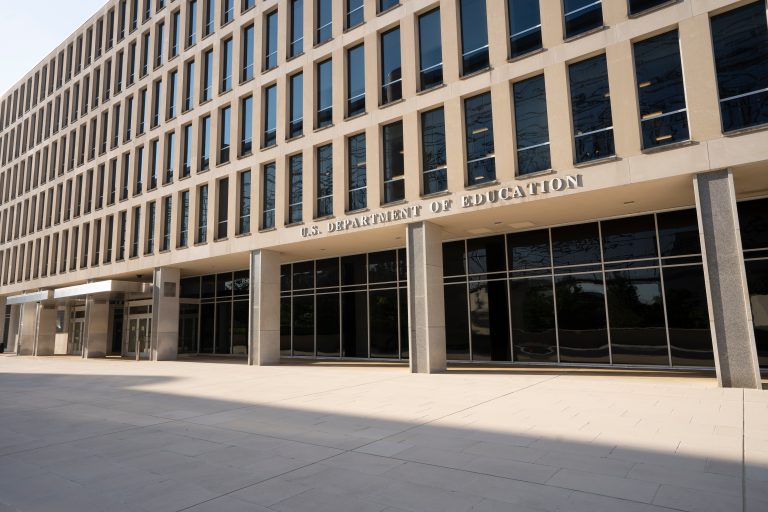
McMahon Defends Deep Education Cuts Amid Department Dismantling Efforts

U.S. Secretary of Education Linda McMahon faced intense scrutiny from lawmakers on Wednesday as she defended the Trump administration’s proposed $12 billion cut to the Department of Education’s budget for fiscal year 2026. The hearing, held by the House Appropriations Subcommittee on Labor, Health and Human Services, Education, and Related Agencies, highlighted the administration’s broader plan to significantly reduce the federal role in education.

McMahon argued that the 15% budget reduction is a strategic move to streamline the department and shift educational authority back to states and local governments. “We’ve spent over $3 trillion since the department was established, yet our scores continue to stagnate or fall,” she stated, emphasizing the need for a new approach to improve literacy rates and expand school choice.

The proposed budget cuts have sparked concern among Democrats and education advocates, particularly regarding their potential impact on federal student aid programs, including Pell Grants and work-study funding. Critics argue that reducing these programs could disproportionately affect low-income and minority students who rely on federal assistance to access higher education.

In response to questions about the feasibility of transferring the department’s responsibilities to state and local entities, McMahon maintained that decentralization would empower communities to tailor education to their specific needs. However, she provided limited details on how this transition would be managed or how it would ensure equitable access to quality education across different regions.

The hearing also addressed the administration’s plan to dismantle the Department of Education, a goal outlined in a March executive order signed by President Trump. While McMahon acknowledged that fully abolishing the department would require congressional approval, she indicated that the administration is taking steps to reduce its footprint, including significant staff reductions and reallocating certain functions to other federal agencies.

Despite the administration’s intentions, a federal judge recently blocked the plan to lay off over 1,300 department employees, ruling that such a move lacked proper legislative authorization and could effectively dismantle the department without congressional consent.

As the debate over the future of the Department of Education continues, stakeholders across the education sector remain divided. Advocates of the cuts argue that they will reduce federal overreach and promote innovation at the local level, while opponents warn that they could undermine critical support systems for students and educators nationwide.

The House Appropriations Committee is expected to further review the proposed budget in the coming weeks, with potential implications for the structure and role of federal involvement in education policy.

U.S. Department of Education Denies $10 Million in COVID Relief to Kentucky Schools

The U.S. Department of Education has denied over $10 million in COVID-19 relief funds to Kentucky schools, following a case-by-case review of previously approved projects. This decision comes after the department rescinded a prior agreement that allowed the state more time to utilize these funds.

In late March, the federal agency withdrew an extension that permitted Kentucky school districts to spend Elementary and Secondary School Emergency Relief (ESSER) funds through March 2026. The department cited the conclusion of the pandemic as the reason for reverting the deadline to March 28, 2025. This abrupt change left many districts scrambling to adjust their budgets and project timelines.

The Kentucky Department of Education (KDE) appealed the decision, requesting individual reviews for specific projects. Out of the appeals, only two projects from Boone County were approved, totaling approximately $44,600. These included funds for an interactive online learning platform and participation in Dolly Parton’s Imagination Library. However, the department denied requests amounting to $10.6 million for other projects across the state

Among the denied projects was a significant $7.98 million allocated for constructing a new high school in Christian County. The proposed facility aimed to merge two existing high schools and a career and technical education center into one building. Other rejected projects included outdoor classrooms, security camera installations, and roof repairs in Clinton County, as well as ventilation system updates in Knox County.

Kentucky Education Commissioner Robbie Fletcher expressed disappointment over the denials, stating, “It is unfortunate that Kentucky has been denied more than $10 million – so far – to provide resources and improve the learning environment of our students.” He emphasized the state’s commitment to appealing the decisions and securing the promised resources for its schools.

The federal department’s rationale for the denials centered on the projects’ alignment with the goal of mitigating learning loss due to the pandemic. In their communication, they noted that many of the proposed projects did not directly address academic services for students. Districts have the option to appeal these decisions within 30 days, provided they can demonstrate the necessity of the projects in addressing pandemic-related educational challenges.

The KDE continues to seek approval for the remaining $34 million designated for local districts and $18 million for statewide initiatives. The outcome of these appeals will significantly impact the state’s ability to complete ongoing projects aimed at enhancing educational infrastructure and services in the post-pandemic landscape.

Alaska Governor Vetoes Bipartisan Education Funding Bill, Prompting Override Effort

Alaska Governor Mike Dunleavy vetoed House Bill 57, a bipartisan education funding measure that aimed to increase the state’s per-student funding allocation. The bill proposed a $700 rise in the Base Student Allocation (BSA), elevating it from $5,960 to $6,660, which would have added approximately $183 million to the annual education budget.

In his veto message, Governor Dunleavy stated that the bill lacked sufficient education policy reforms necessary to improve student outcomes. He emphasized that without evidence showing that a permanent increase in the BSA would enhance educational results, the bill did not serve the best interests of Alaskans.

House Bill 57 included several policy changes, such as setting maximum class sizes, modifying the charter school application process, and mandating school districts to establish cellphone use policies. However, the governor expressed concerns that the bill did not incorporate all his desired reforms, including provisions for open enrollment and increased funding for homeschool programs.

This veto marks the third time in two years that Governor Dunleavy has rejected legislation aimed at increasing education funding. Previous attempts to override such vetoes have failed, but lawmakers are preparing for another override vote, scheduled for Tuesday morning. A successful override requires a two-thirds majority in the Legislature.

Legislators and education advocates have expressed disappointment over the veto. House Speaker Bryce Edgmon described the veto as a significant setback, emphasizing the urgent need for increased education funding to address the challenges faced by Alaska’s public schools.

The outcome of the upcoming override vote will determine whether the proposed funding increases and policy changes in House Bill 57 will be implemented, impacting the future of education in Alaska.

South-Western City Schools’ Decision to Join National Council Sparks Community Debate

South-Western City Schools (SWCS), one of Ohio’s largest public school districts, is facing community backlash following its recent decision to join the National School Boards Leadership Council (NSBLC). The district’s Board of Education approved the membership in a 4-1 vote, prompting concerns among residents about the potential influence of national organizations on local education policies.

The decision to affiliate with the NSBLC has led to protests and vocal opposition from parents, educators, and community members. Critics argue that the council’s national agenda may not align with the specific needs and values of the SWCS community. They express apprehension that such affiliations could lead to policy decisions that prioritize national objectives over local priorities.

The National School Boards Leadership Council positions itself as an organization dedicated to training and supporting school board members across the country. It offers resources aimed at enhancing board effectiveness and governance. However, some community members are concerned about the council’s broader political affiliations and the potential implications for local school governance.

Board members who supported the affiliation contend that joining the NSBLC will provide valuable training and resources to help them better serve the district. They emphasize that the decision was made with the intention of improving board governance and student outcomes.

The controversy surrounding SWCS’s decision to join the NSBLC highlights the ongoing debate over the role of national organizations in local education. As the district moves forward, community members are calling for increased transparency and opportunities for public input to ensure that local values and priorities remain at the forefront of educational decision-making.

Tennessee’s Voucher Expansion Draws Fire From Hamilton County Superintendent

Dr. Justin Robertson, superintendent of Hamilton County Schools, is sounding the alarm over Tennessee’s push to expand its school voucher program. He calls it a serious threat to the future of public education—and he’s not alone.

The growing debate around vouchers is heating up across the country, with educators, lawmakers, and parents weighing in on how these programs affect students and school systems.

What Are School Vouchers?

At their core, school vouchers let parents use public funds to pay for private school tuition—including religious schools. The goal is to offer families more options, especially those in struggling districts.

But critics argue that this system redirects taxpayer dollars away from public schools—without holding private institutions to the same standards or oversight.

Where Vouchers Are in Use?

As of early 2025, 30 states and Washington, D.C. have some version of a private school choice program. Ten states and D.C. offer traditional voucher systems. States like Arizona, Florida, Indiana, and Louisiana have moved toward universal access—opening vouchers to nearly all K-12 students regardless of income or location.

The Case Against Vouchers

Critics of the voucher program say these programs come at a cost: less money and fewer resources for the majority of students who remain in public schools.

They also raise accountability issues. Unlike public schools, private schools receiving voucher money often aren’t required to follow the same academic standards, testing requirements, or transparency rules.

And the results aren’t always better. A widely cited study of Louisiana’s voucher system found that students who switched to private schools under the program actually performed worse than their peers who stayed in public schools.

Why Tennessee Educators Are Concerned

In Tennessee, the state’s plan to expand its voucher program has educators like Dr. Robertson deeply concerned.

He warns that the move could hit rural and underserved communities the hardest, draining resources from public schools that are already stretched thin.

“We should be investing in the schools that serve the vast majority of our kids,” Robertson has argued, “not shifting public dollars to private institutions that don’t serve all students equally.”

He and other local leaders fear that expanding vouchers will deepen existing inequalities and leave public schools with even fewer tools to serve high-need populations.

A Larger National Debate

Tennessee’s proposal is part of a broader national push for school choice—one that’s being championed by some policymakers and conservative think tanks.

Supporters say vouchers empower parents and foster competition. But critics warn they may erode the public school system, creating a two-tiered education landscape.

As the state weighs its next steps, Dr. Robertson and others are urging lawmakers to consider the long-term consequences—not just for students who opt out, but for the entire public education system.