

New Mexico’s 43 county and tribal health councils are asking state lawmakers for recurring funding to sustain public health initiatives. They claim that one-time appropriations leave communities uncertain about whether essential public health services and the workers who provide them will remain available.
New Mexico’s 33 county and 10 tribal health councils are asking state lawmakers for recurring, rather than one-time, funding to sustain public health programs. Representatives told an interim legislative committee that funding uncertainty makes it difficult to plan programs, retain staff, and maintain services, especially in rural areas, contributing to roughly 20% annual staff turnover.
Officials highlighted the councils’ role during emergencies like COVID-19, wildfires, and floods, as well as ongoing support for behavioral health, transportation, and vaccination services. They argued that predictable, recurring appropriations would allow better long-term planning, staff retention, and consistent service delivery between legislative sessions.
The funding uncertainty makes it difficult for the councils to plan programs, retain staff and maintain services for residents who depend on local support, particularly in rural areas where access to health care and other resources can be limited.
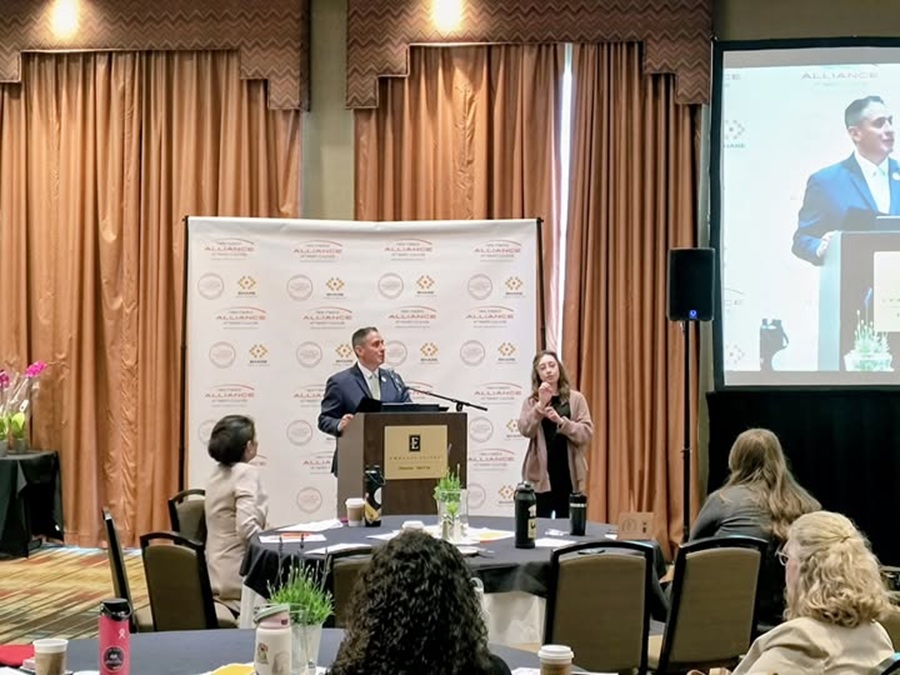
During a presentation to the Legislature’s interim Economic and Rural Development and Policy Committee on Tuesday, Maryanne Miceli, secretary and treasurer of the New Mexico Alliance of Health Councils, said she sees “firsthand how important community-based resources are. I also see what happens when those resources are unavailable.”
She stressed that the state “cannot build healthier communities when the resources supporting them remain uncertain.”
New Mexico has 33 county health councils and 10 tribal health councils. These councils were established by the Legislature to coordinate community health initiatives and connect residents with local resources.
The councils have relied on one-time state funding allocations each year since 2024, said Valeria Alarcón, executive director of the alliance. The Legislature appropriated $4 million for them during the most recent legislative session.
Without recurring funding, the councils face uncertainty each year over whether they can continue operating at current levels and keep their employees. Alarcón said the uncertainty contributes to an average annual staff turnover rate of 20%.“People get nervous around January and February, like, ‘Am I going to have a job come July?’” said in a statement.
The consequences extend beyond employment. Staffing disruptions and unpredictable budgets can make it harder for councils to plan, sustain community partnerships and ensure residents can count on services when they need them.
Councils provide critical support during emergencies
The councils’ work during the COVID-19 pandemic demonstrated their reach. They served nearly 400,000 New Mexicans by distributing masks and tests, Alarcón told lawmakers.
They have also helped communities respond to wildfires, heavy rains and floods, supporting evacuations and delivering necessary supplies to emergency shelters. “Whether it’s fires, heavy rains or floods, counties have relied on their health councils to support evacuations and to get necessary supplies to shelters,” Alarcón said.
Not only during emergencies, but the councils also help residents access health services. State Rep. Jenifer Jones, R-Deming, cited transportation to medical appointments and vaccinations provided through mobile units as examples of the work being done in her district.
Advertisement
Jones said she understood the need for stable funding and the effects uncertainty can have on employees. “Being unsure if you’re going to have a job affects everything you do, all the decisions you make,” she said.
Recurring appropriations would give the councils a more predictable financial foundation. It will help them allocate for ongoing operations, retain experienced workers, and maintain services between legislative sessions.
Health needs require sustained community resources
Miceli told lawmakers that her work brings her into direct contact with New Mexicans dealing with substance use and mental health challenges, housing instability and barriers to health care.
She said community-based resources are essential to helping residents navigate these challenges. But the availability of these resources can be undermined when funding is uncertain. “I see firsthand how important community-based resources are. I also see what happens when those resources are unavailable,” Miceli said.
The councils also play a role in the state’s efforts to rebuild its behavioral health infrastructure by helping coordinate services and connect communities with support.
The funding request comes as New Mexico continues working to improve access to behavioral health care and other public health services across the state. Health council officials are asking lawmakers to move beyond year-to-year funding decisions and provide recurring support that allows local programs to plan for the long term.