

Saturday, February 7, 2026
60.4 F
Albuquerque

U.S. Department of Education Denies $10 Million in COVID Relief to Kentucky Schools

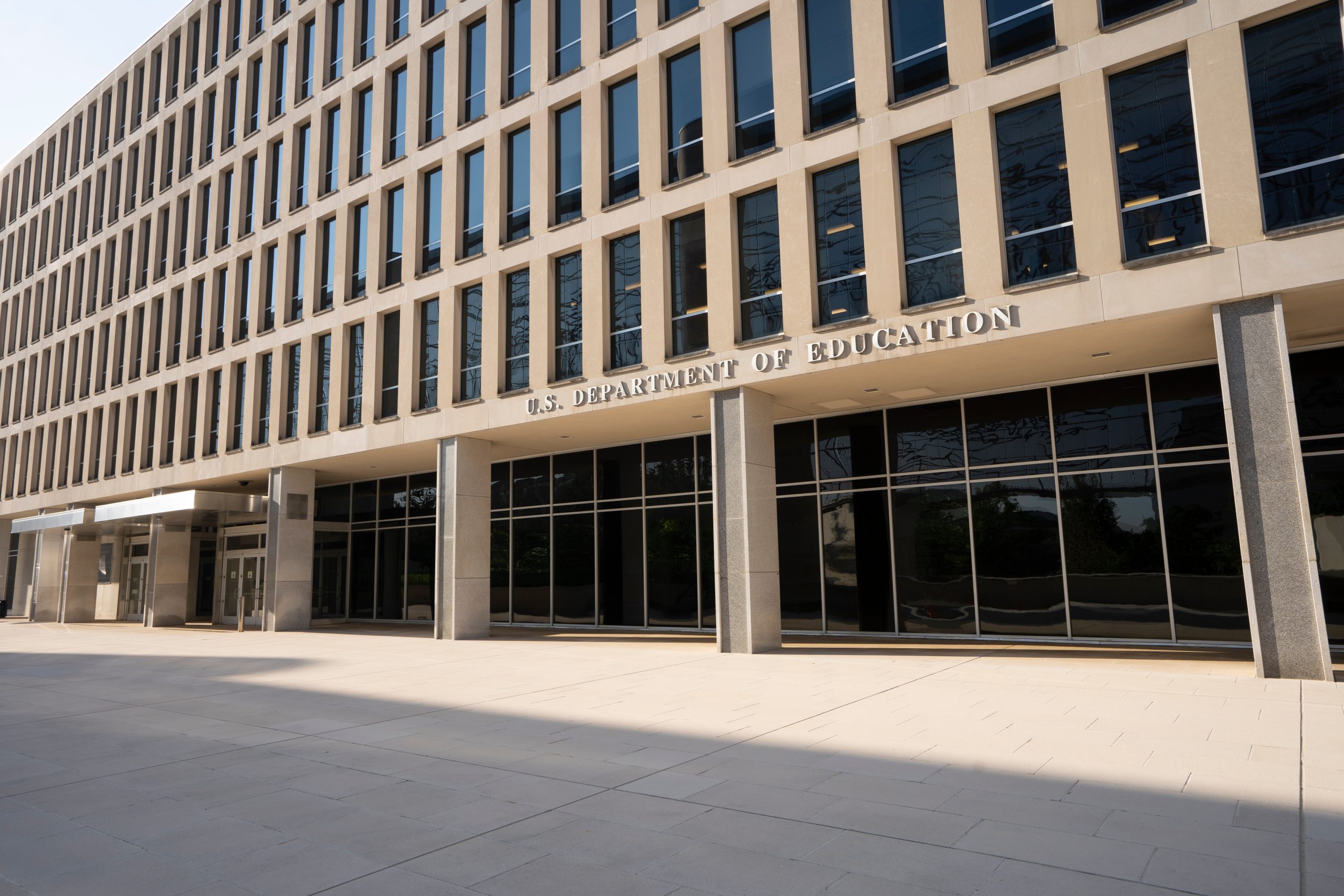
The U.S. Department of Education has denied over $10 million in COVID-19 relief funds to Kentucky schools, following a case-by-case review of previously approved projects. This decision comes after the department rescinded a prior agreement that allowed the state more time to utilize these funds.

In late March, the federal agency withdrew an extension that permitted Kentucky school districts to spend Elementary and Secondary School Emergency Relief (ESSER) funds through March 2026. The department cited the conclusion of the pandemic as the reason for reverting the deadline to March 28, 2025. This abrupt change left many districts scrambling to adjust their budgets and project timelines.

The Kentucky Department of Education (KDE) appealed the decision, requesting individual reviews for specific projects. Out of the appeals, only two projects from Boone County were approved, totaling approximately $44,600. These included funds for an interactive online learning platform and participation in Dolly Parton’s Imagination Library. However, the department denied requests amounting to $10.6 million for other projects across the state

Among the denied projects was a significant $7.98 million allocated for constructing a new high school in Christian County. The proposed facility aimed to merge two existing high schools and a career and technical education center into one building. Other rejected projects included outdoor classrooms, security camera installations, and roof repairs in Clinton County, as well as ventilation system updates in Knox County.

Kentucky Education Commissioner Robbie Fletcher expressed disappointment over the denials, stating, “It is unfortunate that Kentucky has been denied more than $10 million – so far – to provide resources and improve the learning environment of our students.” He emphasized the state’s commitment to appealing the decisions and securing the promised resources for its schools.

The federal department’s rationale for the denials centered on the projects’ alignment with the goal of mitigating learning loss due to the pandemic. In their communication, they noted that many of the proposed projects did not directly address academic services for students. Districts have the option to appeal these decisions within 30 days, provided they can demonstrate the necessity of the projects in addressing pandemic-related educational challenges.

The KDE continues to seek approval for the remaining $34 million designated for local districts and $18 million for statewide initiatives. The outcome of these appeals will significantly impact the state’s ability to complete ongoing projects aimed at enhancing educational infrastructure and services in the post-pandemic landscape.

Hot this week

UNM Anderson Receives Donation from Thorntons for Healthcare Leadership Scholarship

Graduate students at UNM Anderson School of Management gain a new opportunity after Maribeth and Chris Thornton’s donation to establish a Healthcare Leadership Scholarship.

New Mexico $47M Transport Funding for Safety, Climate, and Communities: Why it Matters

Nearly $47 million in transportation funding from the New Mexico Department of Transportation goes beyond roads and bridges. The projects touch daily life—making streets safer, strengthening public transit, cutting emissions, and helping rural and Tribal communities close long-standing infrastructure gaps.

School-Based Health Centers (SBHCs) Help More New Mexico Students, NMDOH Reports

New Mexico school-based health centers (SBHCs) assisted nearly 20,000 students to stay healthy and in class during the 2024-2025 school year.

Childcare Advocates Press New Mexico Senate to Protect Wage Hikes Amid Budget Standoff

Childcare advocates are calling on New Mexico senators to retain proposed wage increases for early childhood educators, warning that low pay could drive workers out of the profession as lawmakers debate funding for universal childcare.

On the Heel on Infant’s Death Due to Listeria Infection, FDA Will Test Infant Formula After Botulism Outbreak Sickens Dozens of Babies

The FDA is testing infant formula and key dairy ingredients after a botulism outbreak hospitalized at least 51 babies, renewing concerns over food safety, oversight, and the risks facing infants and pregnant individuals.

Topics

UNM Anderson Receives Donation from Thorntons for Healthcare Leadership Scholarship

Graduate students at UNM Anderson School of Management gain a new opportunity after Maribeth and Chris Thornton’s donation to establish a Healthcare Leadership Scholarship.

New Mexico $47M Transport Funding for Safety, Climate, and Communities: Why it Matters

Nearly $47 million in transportation funding from the New Mexico Department of Transportation goes beyond roads and bridges. The projects touch daily life—making streets safer, strengthening public transit, cutting emissions, and helping rural and Tribal communities close long-standing infrastructure gaps.

School-Based Health Centers (SBHCs) Help More New Mexico Students, NMDOH Reports

New Mexico school-based health centers (SBHCs) assisted nearly 20,000 students to stay healthy and in class during the 2024-2025 school year.

Childcare Advocates Press New Mexico Senate to Protect Wage Hikes Amid Budget Standoff

Childcare advocates are calling on New Mexico senators to retain proposed wage increases for early childhood educators, warning that low pay could drive workers out of the profession as lawmakers debate funding for universal childcare.

On the Heel on Infant’s Death Due to Listeria Infection, FDA Will Test Infant Formula After Botulism Outbreak Sickens Dozens of Babies

The FDA is testing infant formula and key dairy ingredients after a botulism outbreak hospitalized at least 51 babies, renewing concerns over food safety, oversight, and the risks facing infants and pregnant individuals.

Clear Horizons Act: How New Mexico’s net-zero bill might affect you and your household budget

New Mexico lawmakers are set to introduce the Clear Horizons Act, a net-zero framework that would formalize statewide emissions targets and expand planning and reporting requirements. The central consumer question is cost: how compliance, grid investment, and fuel-market exposure could translate into utility bills and price volatility. What happens next in committee—and later in rulemaking—will determine whether “affordable energy” claims show up in measurable household outcomes.

A Fun Way to Learn: NMSU Unveils ‘Market Set Go!’

The New Mexico State University (NMSU) Cooperative Extension Service has released “Market Set Go!,” an educational game that teaches food safety in a fun way.

Kevin Matthes Retires From WNMU After Years of Dedicated Service

Assistant Vice President of Facilities and Operations Kevin Matthes retires from WNMU after leaving a lasting legacy on campus.

Related Articles