

Clear Horizons Act: How New Mexico’s net-zero bill might affect you and your household budget

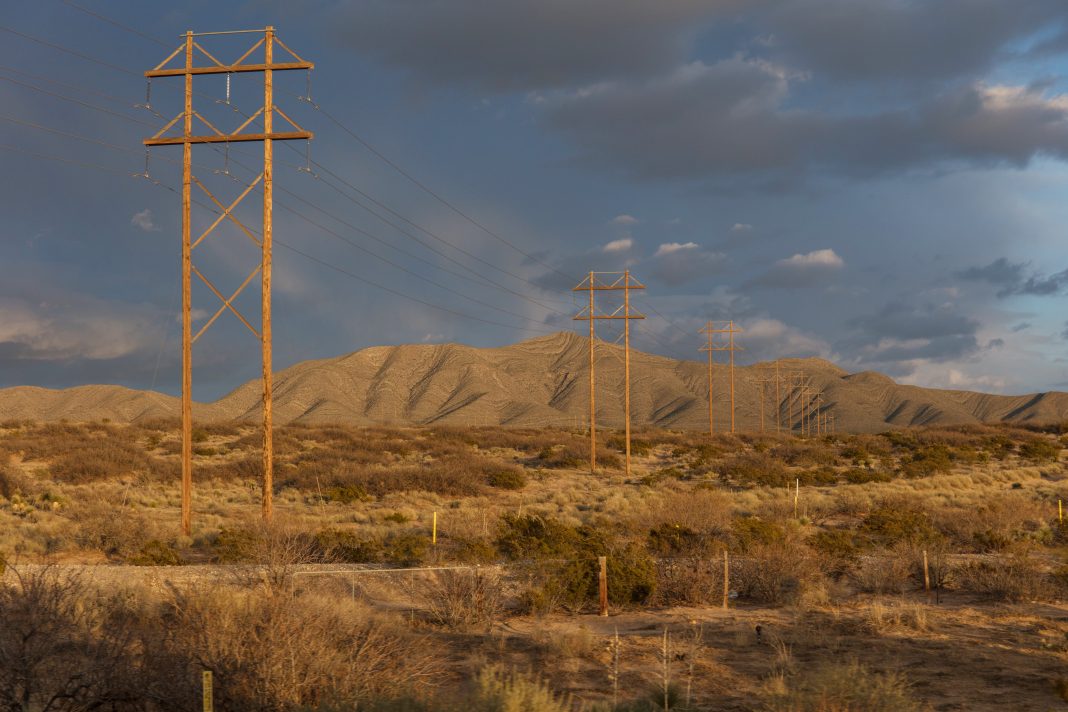
New Mexico lawmakers are set to introduce the Clear Horizons Act, a net-zero framework that would formalize statewide emissions targets and expand planning and reporting requirements. The central consumer question is cost: how compliance, grid investment, and fuel-market exposure could translate into utility bills and price volatility. What happens next in committee—and later in rulemaking—will determine whether “affordable energy” claims show up in measurable household outcomes.

New Mexico lawmakers are preparing to introduce the “Clear Horizons Act.” This bill would make the state’s greenhouse gas targets official and give state agencies greater authority to plan, track, and enforce emissions reductions over time. The New Mexico Sentinel has raised concerns that the bill could lead to higher utility and fuel costs for families and create uncertainty for investments in the state’s oil and gas industry.

Supporters, including Senate Democrats, say the bill would lock in current state goals, give regulators better tools for long-term planning, and focus new rules on the largest industrial polluters. The bill would also require more monitoring, reporting, and public transparency.

How this policy could impact your budget: key questions

Most households will probably notice changes first in utility rates, fuel prices, and any rebates or fees on their bills, rather than in the target year itself. The Sentinel’s main concern is that moving away from natural gas quickly and adding stricter emissions rules could feel like a “regulatory tax.” They also point to examples from other states as warnings.

If you want to set aside the politics and focus on your budget, the main question is whether policymakers can clearly show:

  1. The total cost of the system (including generation, transmission, and reliability upgrades),
  2. Who pays and when, whether it’s ratepayers, taxpayers, or industries that must comply, and
  3. How many bills might change, either from swings in gas prices or from the costs of building out the grid?

Home efficiency: how to prioritize upgrades if prices get unpredictable

If you want to prepare for uncertainty, start by reducing your energy use before you think about replacing equipment:

  • Air sealing and insulation usually offer the best return because they lower heating and cooling needs right away.
  • For HVAC systems, replace them when they break or when incentives are especially good. Otherwise, focus on regular tuning and maintenance.
  • For solar, calculate the payback period using your post-incentive price, your utility’s rate structure, and realistic expectations for how much energy you’ll produce.

Budgeting for change: a straightforward approach

  • Test your monthly budget by raising the amount you set aside for utilities and fuel for a few months, even if you expect costs to drop.
  • Treat rebates and financing offers like any loan. Compare the APR, fees, required contractors, and whether the savings are guaranteed or just estimated.
  • If you rent, focus on savings you can take with you, like weatherstripping, smart thermostats (if allowed), and changing your usage habits, since you can’t benefit from building upgrades.

The real impact on consumers will depend on the rules that follow the bill’s passage. This includes how emissions limits become requirements, what counts for certified projects or credits, and how grid reliability and affordability are handled in rate cases. These details, more than the net-zero goal itself, will determine if “affordable energy” is a real outcome or just a slogan.

For corrections, news tips, and any other content requests, please send us an email at [email protected].

Hot this week

New Mexico’s Recipe for Hantavirus Risk—Climate, Deer Mice, and Country Living

More than 30 years after the Four Corners outbreak, New Mexico continues to report among the nation’s highest hantavirus pulmonary syndrome cases. Experts say the state’s ecology, climate cycles and rural living conditions have created an enduring hotspot for the rare but deadly disease carried by deer mice.

Community Solar Program Took Years to Arrive. Now the Solar Panels Are Finally Rising.

After years of delays, New Mexico’s community solar program is beginning to expand, with new projects coming online across the state. But developers and advocates say high interconnection costs and complicated billing rules still threaten the program’s long-term success.

Patient Voices Push New Mexico Lawmakers to Spotlight Healthcare Access and Affordability

New Mexico lawmakers spotlighted healthcare after hearing directly from patients, emphasizing urgent concerns about access, affordability, and workforce shortages.

Health Officials Clarify Hantavirus Risk: No Person‑to‑Person Spread

New Mexico's health officials have emphasized that the state's Hantavirus (Sin Nombre Virus) is not transmitted from person to person, which differs from the Andes virus that was responsible for an outbreak aboard a cruise ship. There have been many reports around the world about the Andes virus being transmitted by other people, and this caused people to worry about being able to contract the Andres virus from residents of New Mexico. The Andes virus is the only hantavirus known to be transmitted by another person in South America. The Sin Nombre Virus can only be contracted by contact with infected rodents, or their excrement. There are several ways to help to prevent hantavirus exposure, including disinfecting rodent nests and debris, ensuring that all points of entry into the home are sealed and practicing safe cleanup methods.

‘You Are Not Alone’: Grief Kits Help Students Cope with Loss 

Albuquerque Public Schools received grief kits after the Rotary Club of Albuquerque and the Grief Center worked together to provide resources that help students cope with loss.

Topics

New Mexico’s Recipe for Hantavirus Risk—Climate, Deer Mice, and Country Living

More than 30 years after the Four Corners outbreak, New Mexico continues to report among the nation’s highest hantavirus pulmonary syndrome cases. Experts say the state’s ecology, climate cycles and rural living conditions have created an enduring hotspot for the rare but deadly disease carried by deer mice.

Community Solar Program Took Years to Arrive. Now the Solar Panels Are Finally Rising.

After years of delays, New Mexico’s community solar program is beginning to expand, with new projects coming online across the state. But developers and advocates say high interconnection costs and complicated billing rules still threaten the program’s long-term success.

Patient Voices Push New Mexico Lawmakers to Spotlight Healthcare Access and Affordability

New Mexico lawmakers spotlighted healthcare after hearing directly from patients, emphasizing urgent concerns about access, affordability, and workforce shortages.

Health Officials Clarify Hantavirus Risk: No Person‑to‑Person Spread

New Mexico's health officials have emphasized that the state's Hantavirus (Sin Nombre Virus) is not transmitted from person to person, which differs from the Andes virus that was responsible for an outbreak aboard a cruise ship. There have been many reports around the world about the Andes virus being transmitted by other people, and this caused people to worry about being able to contract the Andres virus from residents of New Mexico. The Andes virus is the only hantavirus known to be transmitted by another person in South America. The Sin Nombre Virus can only be contracted by contact with infected rodents, or their excrement. There are several ways to help to prevent hantavirus exposure, including disinfecting rodent nests and debris, ensuring that all points of entry into the home are sealed and practicing safe cleanup methods.

‘You Are Not Alone’: Grief Kits Help Students Cope with Loss 

Albuquerque Public Schools received grief kits after the Rotary Club of Albuquerque and the Grief Center worked together to provide resources that help students cope with loss.

New Mexico Reopens Fight Over Toxic Oil and Gas Wastewater — Environmentalists Call It a Political Gamble

New Mexico regulators voted to revive a contentious rulemaking process that could expand the use of treated oil and gas wastewater beyond drilling sites, reigniting a fierce clash between industry advocates and environmental groups over public health, water scarcity and political influence.

Wastewater Sounded the Measles Alarm in New Mexico—Before Doctors Even Caught It

A new study shows New Mexico health officials detected measles in wastewater five days before hospitals confirmed cases, highlighting sewage surveillance as a powerful early-warning system during the nation’s largest measles outbreak in decades.

Newborn Dies After Mother’s Raw Milk Listeria Infection

A newborn in New Mexico died after contracting listeria from raw milk consumed by the mother during pregnancy, state health officials confirmed. This case highlights the severe risks of drinking unpasteurized dairy products, especially for pregnant women and infants.

Related Articles