

New Mexico Legislature Tackles Budget, Health, Education and Public Policy Early in 2026 Session

The 2026 regular session of the New Mexico Legislature opened in Santa Fe with lawmakers confronting budget priorities, health care access, and infrastructure spending amid economic headwinds. With Democrats controlling both chambers and a packed policy agenda, early action reflects efforts to balance fiscal discipline with long-term investment.

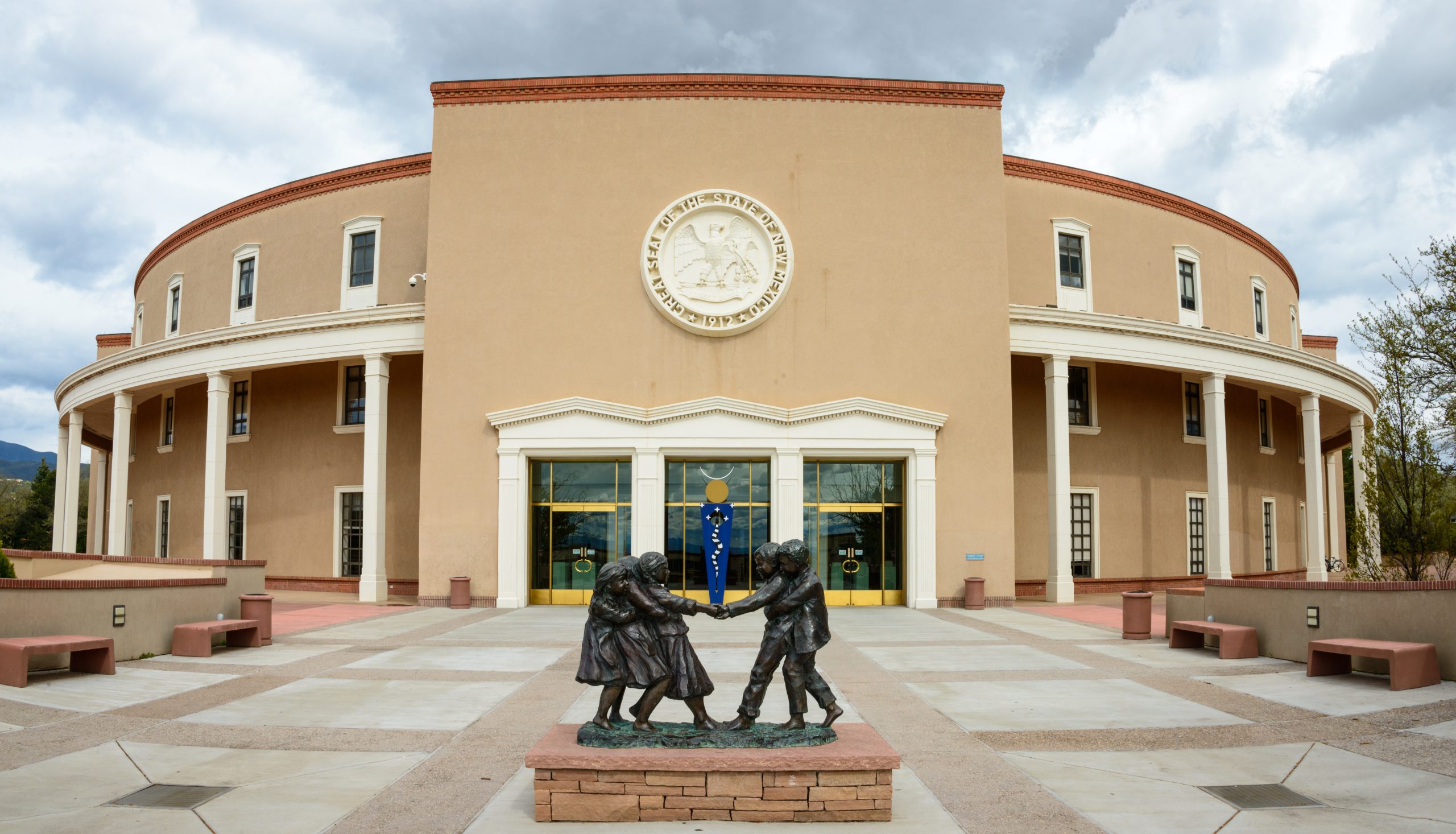
Santa Fe, NM — New Mexico lawmakers began the 2026 regular session with a packed agenda aimed at addressing the state’s budget priorities, health care access, education issues, and public safety reforms. The 30-day session — set to run through mid-February under state law — opened in Santa Fe’s Roundhouse with a blend of bipartisan and intra-party negotiations shaping early legislative activity.

With Democrats holding majorities in both the state House and Senate, and Governor Michelle Lujan Grisham in her final regular session before leaving office, the Legislature faces pressure to finalize a budget, pass long-standing priority bills, and respond to constituent concerns in areas ranging from medical services to public safety and economic stability. The session’s pace has been brisk in its opening days, with lawmakers and advocates lining up behind key proposals that could affect New Mexicans statewide.

Lawmakers in Santa Fe are navigating a mix of policy measures that seek to balance fiscal discipline with long-term investments, amid a backdrop of broader economic concerns and social needs. Some of the early priorities reflect repeated issues from past years, including stabilizing health care access, updating public safety statutes, and revising economic incentives to support workforce development.

Several bills have already drawn attention this month, including proposals to make New Mexico a participant in regional medical compacts for doctors and social workers, updates to civil commitment law definitions, and financing measures linked to transportation infrastructure. Negotiators also anticipate discussion on public education funding, rural health care support, and housing stability — all topics that have featured prominently in New Mexico public policy debates.

Key developments shaping early session

The Legislature’s early days in Santa Fe have underscored several themes that could influence outcomes this year:

  • Budget negotiations: As a short 30-day session focused largely on budget appropriations, lawmakers are prioritizing how to allocate limited state dollars for health care, education, infrastructure, and public safety.
  • Health care access and workforce: Proposals to join interstate medical compacts and address doctor shortages reflect ongoing concerns about health care access in rural and urban communities alike.
  • Infrastructure spending: Funding for roads and capital projects is emerging as a central piece of the budget conversation, with proposals for multi-year investments under review.
  • Public safety and legal reforms: Changes to civil commitment procedures and other public safety statutes are under consideration as lawmakers balance individual rights with community concerns.

These policy streams have drawn stakeholders from business groups, health care advocates, education organizations, and local civic leaders to Santa Fe’s Roundhouse in recent weeks. Many have testified before committees, underscoring how state government decisions directly affect residents and local economies.

One crucial element this session is the broader economic context in which legislators are operating. National economic indicators and state revenue trends are influencing decisions on spending, taxation, and public investments. With limited revenue growth anticipated, lawmakers are under pressure to make difficult choices about how to sustain essential services while avoiding unsustainable deficits.

At the same time, some members of the Legislature are pushing for policy changes that reflect longer-term structural shifts. These include efforts to attract and retain medical professionals, enhance educational outcomes through targeted funding formulas, and strengthen rural broadband access — a priority for many underserved communities across the state.

In the House, leadership has emphasized the need for fiscal discipline coupled with targeted investments, while some Senate committees are advancing measures that could reshape business tax incentives and economic development programs. These debates reflect broader questions about how New Mexico can position itself for economic resilience in the years ahead.

Interim meetings and committee hearings held before the session underscore the depth of preparation behind many of this year’s proposals. Legislative staff, aides, and advocates have worked since late 2025 to refine language, build coalitions, and gather public input ahead of the 30-day session. The approach reflects an increasingly strategic Legislature that is leveraging short session constraints to focus on actionable policy outcomes.

What to watch next

As the 2026 session progresses, observers will be tracking whether lawmakers can reach consensus on contentious budget items and policy goals. Key markers include final appropriations bills, negotiations over health care reform proposals, and whether bipartisan support emerges on areas such as infrastructure funding and workforce development.

The coming weeks will also reveal how legislators respond to public feedback and adjust proposals to address concerns raised by constituents and interest groups. Committees scheduled to meet throughout the session will play a central role in shaping final language on bills that could have lasting impact on New Mexico residents and the state’s fiscal outlook.

With lawmakers in Santa Fe racing against a constitutional deadline, compromises, amendments, and last-minute negotiations are expected. The outcomes will set the tone for New Mexico’s policy direction in areas such as education funding, medical services, public safety, and economic competitiveness for the remainder of 2026.

For corrections, news tips, and any other content requests, please send us an email at [email protected].

Hot this week

UNM Steps Up to Cut Food Waste, Boost Food Access

The University of New Mexico works to turn food waste into resources that help address food insecurity on campus.

New Mexico’s Recipe for Hantavirus Risk—Climate, Deer Mice, and Country Living

More than 30 years after the Four Corners outbreak, New Mexico continues to report among the nation’s highest hantavirus pulmonary syndrome cases. Experts say the state’s ecology, climate cycles and rural living conditions have created an enduring hotspot for the rare but deadly disease carried by deer mice.

Community Solar Program Took Years to Arrive. Now the Solar Panels Are Finally Rising.

After years of delays, New Mexico’s community solar program is beginning to expand, with new projects coming online across the state. But developers and advocates say high interconnection costs and complicated billing rules still threaten the program’s long-term success.

Patient Voices Push New Mexico Lawmakers to Spotlight Healthcare Access and Affordability

New Mexico lawmakers spotlighted healthcare after hearing directly from patients, emphasizing urgent concerns about access, affordability, and workforce shortages.

Health Officials Clarify Hantavirus Risk: No Person‑to‑Person Spread

New Mexico's health officials have emphasized that the state's Hantavirus (Sin Nombre Virus) is not transmitted from person to person, which differs from the Andes virus that was responsible for an outbreak aboard a cruise ship. There have been many reports around the world about the Andes virus being transmitted by other people, and this caused people to worry about being able to contract the Andres virus from residents of New Mexico. The Andes virus is the only hantavirus known to be transmitted by another person in South America. The Sin Nombre Virus can only be contracted by contact with infected rodents, or their excrement. There are several ways to help to prevent hantavirus exposure, including disinfecting rodent nests and debris, ensuring that all points of entry into the home are sealed and practicing safe cleanup methods.

Topics

UNM Steps Up to Cut Food Waste, Boost Food Access

The University of New Mexico works to turn food waste into resources that help address food insecurity on campus.

New Mexico’s Recipe for Hantavirus Risk—Climate, Deer Mice, and Country Living

More than 30 years after the Four Corners outbreak, New Mexico continues to report among the nation’s highest hantavirus pulmonary syndrome cases. Experts say the state’s ecology, climate cycles and rural living conditions have created an enduring hotspot for the rare but deadly disease carried by deer mice.

Community Solar Program Took Years to Arrive. Now the Solar Panels Are Finally Rising.

After years of delays, New Mexico’s community solar program is beginning to expand, with new projects coming online across the state. But developers and advocates say high interconnection costs and complicated billing rules still threaten the program’s long-term success.

Patient Voices Push New Mexico Lawmakers to Spotlight Healthcare Access and Affordability

New Mexico lawmakers spotlighted healthcare after hearing directly from patients, emphasizing urgent concerns about access, affordability, and workforce shortages.

Health Officials Clarify Hantavirus Risk: No Person‑to‑Person Spread

New Mexico's health officials have emphasized that the state's Hantavirus (Sin Nombre Virus) is not transmitted from person to person, which differs from the Andes virus that was responsible for an outbreak aboard a cruise ship. There have been many reports around the world about the Andes virus being transmitted by other people, and this caused people to worry about being able to contract the Andres virus from residents of New Mexico. The Andes virus is the only hantavirus known to be transmitted by another person in South America. The Sin Nombre Virus can only be contracted by contact with infected rodents, or their excrement. There are several ways to help to prevent hantavirus exposure, including disinfecting rodent nests and debris, ensuring that all points of entry into the home are sealed and practicing safe cleanup methods.

‘You Are Not Alone’: Grief Kits Help Students Cope with Loss 

Albuquerque Public Schools received grief kits after the Rotary Club of Albuquerque and the Grief Center worked together to provide resources that help students cope with loss.

New Mexico Reopens Fight Over Toxic Oil and Gas Wastewater — Environmentalists Call It a Political Gamble

New Mexico regulators voted to revive a contentious rulemaking process that could expand the use of treated oil and gas wastewater beyond drilling sites, reigniting a fierce clash between industry advocates and environmental groups over public health, water scarcity and political influence.

Wastewater Sounded the Measles Alarm in New Mexico—Before Doctors Even Caught It

A new study shows New Mexico health officials detected measles in wastewater five days before hospitals confirmed cases, highlighting sewage surveillance as a powerful early-warning system during the nation’s largest measles outbreak in decades.

Related Articles