

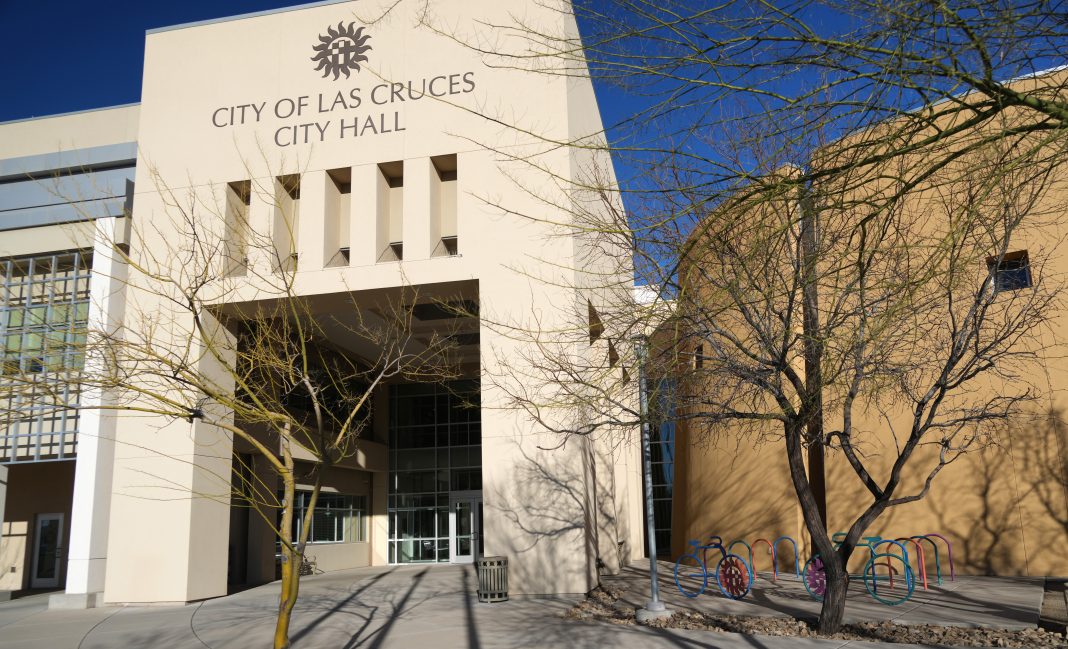
Las Cruces Ends Movie Studio Partnership, Seeks $1.3M Refund

Las Cruces has ended its partnership with film studio 828 Productions after the company failed to fulfill its investment and job creation promises, and the city is seeking to claw back about $1.3 million in public funds. The move highlights challenges and accountability questions in economic incentive deals for local development.

The Las Cruces City Council has ended its economic development partnership with 828 Productions and is seeking to recover about $1.3 million in taxpayer money. The film studio failed to meet its investment and job-creation promises made three years ago. This decision highlights increased attention on how public incentive deals are managed and how local governments hold companies accountable.

The council voted 6 to 1 on Monday to end a 2022 agreement that had been seen as a major step toward making southern New Mexico a film and television production center. 828 Productions had promised to spend $75 million to build a large studio and facilities in Las Cruces and to create at least 100 local jobs.

City officials said the company failed to meet its goals and could not substantiate many of its reported expenses. While 828 Productions brought some production work to the area and highlighted local spending, city leaders said there were only a few permanent hires and little progress on the planned facilities. Properties purchased for renovation have deteriorated, not improved.

The end of the partnership affects almost $900,000 in Las Cruces capital outlay funds and $2.8 million in city-approved economic development contributions. It does not affect the separate $3 million in state economic development funds for the project the city manages.

Councilors said this experience showed that the city needs to improve its monitoring of performance and spending under economic incentive agreements. City staff are now implementing stricter oversight procedures to better track future projects that use public funds or tax breaks.

828 Productions said it was “disappointed” with the decision and did not agree with the council’s view. The company called the vote “rushed” and said it still helps drive the local film industry. It also said it has had difficulty adjusting its business model following changes in the broader film sector.

The original agreement was part of New Mexico’s broader push to attract film-industry investment through tax incentives, rebates, and local funding. This effort has helped build a statewide production network with major partners such as Netflix and NBCUniversal. The Las Cruces case highlights the risks cities face when they use public funds for private development projects.

Councilors raised concerns about billing records and the use of city funds for expenses that did not clearly align with project goals. Economic development officials said some invoices were unclear or did not comply with the agreement, particularly for properties the city helped fund that the company no longer owns.

The lone dissenting vote came from a council member who expressed caution about the potential long-term impact on local business relations. Supporters of the termination argued it was necessary to protect taxpayer resources and uphold fiscal accountability.

Las Cruces has seen continued investment in film production infrastructure outside the 828 project, including New Mexico State University’s recent ground-breaking on a $15 million movie studio and the city’s broader incentives aimed at attracting film production work.

As the city moves on, economic development officials say they will use lessons from the 828 partnership to strengthen future contracts and ensure public funds are matched with verifiable performance.

For corrections, news tips, and any other content requests, please send us an email at [email protected].

Hot this week

UNM Steps Up to Cut Food Waste, Boost Food Access

The University of New Mexico works to turn food waste into resources that help address food insecurity on campus.

New Mexico’s Recipe for Hantavirus Risk—Climate, Deer Mice, and Country Living

More than 30 years after the Four Corners outbreak, New Mexico continues to report among the nation’s highest hantavirus pulmonary syndrome cases. Experts say the state’s ecology, climate cycles and rural living conditions have created an enduring hotspot for the rare but deadly disease carried by deer mice.

Community Solar Program Took Years to Arrive. Now the Solar Panels Are Finally Rising.

After years of delays, New Mexico’s community solar program is beginning to expand, with new projects coming online across the state. But developers and advocates say high interconnection costs and complicated billing rules still threaten the program’s long-term success.

Patient Voices Push New Mexico Lawmakers to Spotlight Healthcare Access and Affordability

New Mexico lawmakers spotlighted healthcare after hearing directly from patients, emphasizing urgent concerns about access, affordability, and workforce shortages.

Health Officials Clarify Hantavirus Risk: No Person‑to‑Person Spread

New Mexico's health officials have emphasized that the state's Hantavirus (Sin Nombre Virus) is not transmitted from person to person, which differs from the Andes virus that was responsible for an outbreak aboard a cruise ship. There have been many reports around the world about the Andes virus being transmitted by other people, and this caused people to worry about being able to contract the Andres virus from residents of New Mexico. The Andes virus is the only hantavirus known to be transmitted by another person in South America. The Sin Nombre Virus can only be contracted by contact with infected rodents, or their excrement. There are several ways to help to prevent hantavirus exposure, including disinfecting rodent nests and debris, ensuring that all points of entry into the home are sealed and practicing safe cleanup methods.

Topics

UNM Steps Up to Cut Food Waste, Boost Food Access

The University of New Mexico works to turn food waste into resources that help address food insecurity on campus.

New Mexico’s Recipe for Hantavirus Risk—Climate, Deer Mice, and Country Living

More than 30 years after the Four Corners outbreak, New Mexico continues to report among the nation’s highest hantavirus pulmonary syndrome cases. Experts say the state’s ecology, climate cycles and rural living conditions have created an enduring hotspot for the rare but deadly disease carried by deer mice.

Community Solar Program Took Years to Arrive. Now the Solar Panels Are Finally Rising.

After years of delays, New Mexico’s community solar program is beginning to expand, with new projects coming online across the state. But developers and advocates say high interconnection costs and complicated billing rules still threaten the program’s long-term success.

Patient Voices Push New Mexico Lawmakers to Spotlight Healthcare Access and Affordability

New Mexico lawmakers spotlighted healthcare after hearing directly from patients, emphasizing urgent concerns about access, affordability, and workforce shortages.

Health Officials Clarify Hantavirus Risk: No Person‑to‑Person Spread

New Mexico's health officials have emphasized that the state's Hantavirus (Sin Nombre Virus) is not transmitted from person to person, which differs from the Andes virus that was responsible for an outbreak aboard a cruise ship. There have been many reports around the world about the Andes virus being transmitted by other people, and this caused people to worry about being able to contract the Andres virus from residents of New Mexico. The Andes virus is the only hantavirus known to be transmitted by another person in South America. The Sin Nombre Virus can only be contracted by contact with infected rodents, or their excrement. There are several ways to help to prevent hantavirus exposure, including disinfecting rodent nests and debris, ensuring that all points of entry into the home are sealed and practicing safe cleanup methods.

‘You Are Not Alone’: Grief Kits Help Students Cope with Loss 

Albuquerque Public Schools received grief kits after the Rotary Club of Albuquerque and the Grief Center worked together to provide resources that help students cope with loss.

New Mexico Reopens Fight Over Toxic Oil and Gas Wastewater — Environmentalists Call It a Political Gamble

New Mexico regulators voted to revive a contentious rulemaking process that could expand the use of treated oil and gas wastewater beyond drilling sites, reigniting a fierce clash between industry advocates and environmental groups over public health, water scarcity and political influence.

Wastewater Sounded the Measles Alarm in New Mexico—Before Doctors Even Caught It

A new study shows New Mexico health officials detected measles in wastewater five days before hospitals confirmed cases, highlighting sewage surveillance as a powerful early-warning system during the nation’s largest measles outbreak in decades.

Related Articles