

Chinese Hackers Breached U.S. Data Centers and Home Internet Networks, Officials Warn

U.S. cybersecurity officials now say that China’s notorious hacking group known as Salt Typhoon didn’t only infiltrate major telecom carriers. Investigators believe it also compromised U.S. data centers and residential internet providers, signaling a deeper and more alarming level of intrusion into America’s digital backbone. Last week, sources familiar with the investigation told Nextgov that CISA flagged […]

U.S. cybersecurity officials now say that China’s notorious hacking group known as Salt Typhoon didn’t only infiltrate major telecom carriers. Investigators believe it also compromised U.S. data centers and residential internet providers, signaling a deeper and more alarming level of intrusion into America’s digital backbone.

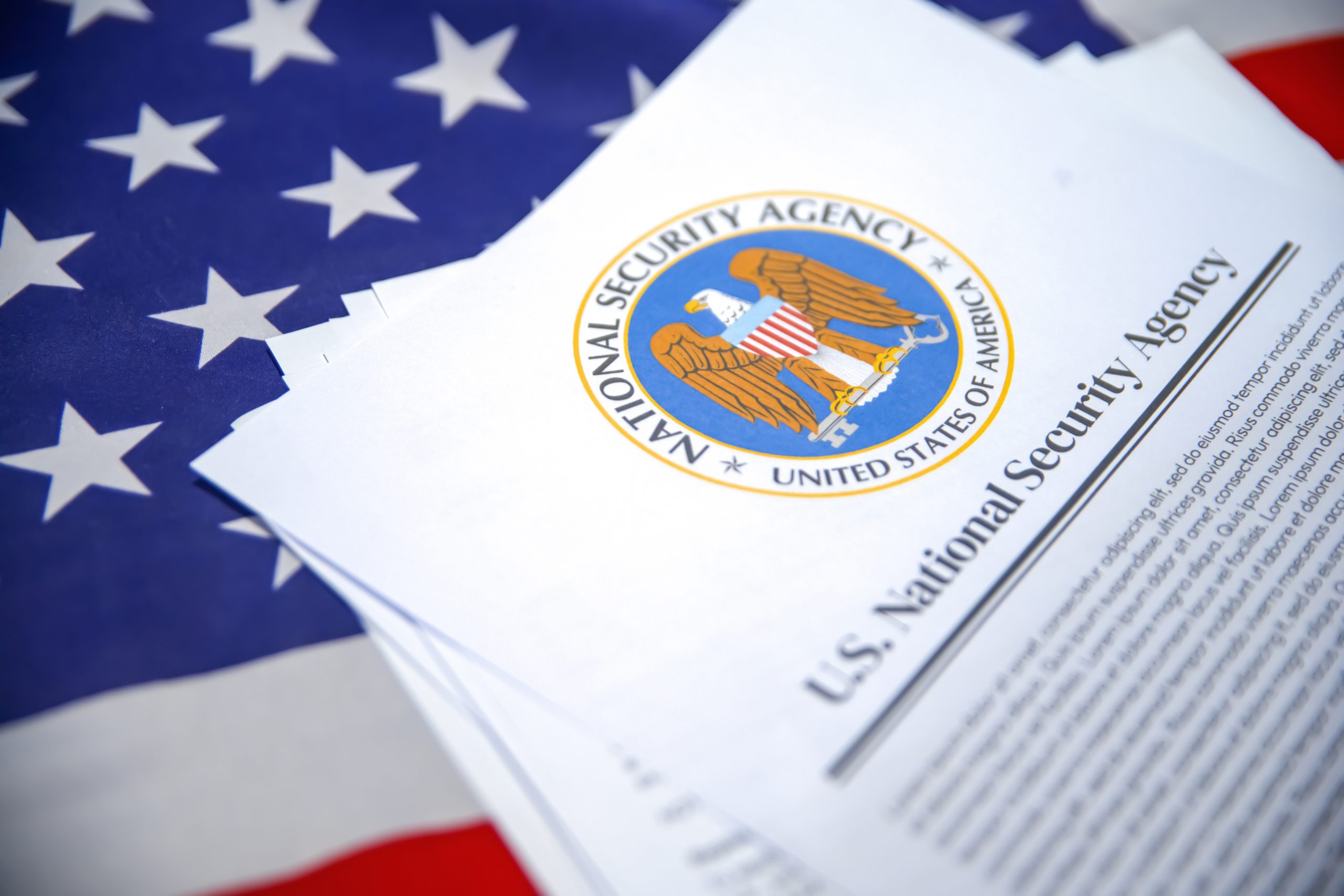
Last week, sources familiar with the investigation told Nextgov that CISA flagged data center giant Digital Realty and the mass-media and internet provider Comcast as likely victims. The National Security Agency similarly flagged Comcast, expanding the known scope of the cyber campaign well beyond just telecommunications networks.

This news is a major escalation from initial findings, which confirmed infiltration in at least nine telecom firms—Verizon, AT&T, T‑Mobile, Lumen and others—and access to law-enforcement wiretap systems and call metadata.

Salt Typhoon, a Chinese state-sponsored group tied to the Ministry of State Security, has reportedly embedded sophisticated tools—rootkits, malware, and exploit kits—into core network components. These intrusions granted the group persistent access to communication metadata, wiretap platforms and now, more worryingly, the cloud-connected infrastructure of third-party data centers and residential gateways.

The compromise of Digital Realty, for instance, could expose sensitive enterprise and government client data. Comcast’s intrusion, meanwhile, threatens visibility into millions of home and business communications.

Why this matters? Data centers host critical services for cloud platforms, corporate networks, and government systems. A breach here allows attackers to jump between systems, escalate privileges, or harvest credentials across multiple sectors.

As one intelligence source put it, Salt Typhoon’s new targets mean “a far deeper foothold into the infrastructure supporting global information services.”

In response, CISA and NSA are working behind the scenes with affected providers, though Nextgov reports that their efforts have been slowed by jurisdictional hurdles and budget constraints within CISA. Congress is also stepping in with a letter from the House Homeland Security Committee with detailed documents on the breaches and urged reinstatement of the Cyber Safety Review Board which was disbanded in early 2025.

Senators such as Ron Wyden and Ben Ray Luján have characterized the campaign as the “worst telecom hack in our nation’s history,” pushing for immediate policy reforms including annual cybersecurity audits by the FCC, stronger network segmentation, and zero-trust architecture mandates. The FCC is reportedly reviewing a proposal to require communications providers to annually certify their defenses against cyber intrusions.

Meanwhile, public awareness is growing. A senior U.S. official revealed in December that a “large number” of Americans’ call metadata—including timestamps, locations, and call records—had been stolen by Salt Typhoon, though not the call contents themselves. The White House, FBI, NSA, NSC, and CISA have held classified briefings for senators and are actively seeking tips from the public to identify and disrupt the hacking crews.

This latest news—highlighting possible compromises in data centers and residential ISPs—marks a pivotal turn. No longer limited to telecom, Salt Typhoon’s reach now threatens the broader digital ecosystem that underpins modern life. Public and private sectors are facing mounting pressure to transform cybersecurity from optional investment to essential national defense.

Amid this intensifying landscape, one fact is undeniable: the intrusion is far from over, and solutions will depend on federal coordination, legislative will, and aggressive defense by the companies that maintain critical infrastructure.

For corrections, news tips, and any other content requests, please send us an email at [email protected].

Hot this week

How Reinvention and Self-Improvement Shaped UNM Alum Carol Cochran’s Career

Carol Cochran shares how a simple principle guided her career journey from accounting to law.

Interstate 40 Reopens After Fatal SUV Crash Closes Eastbound Lanes

A car crash incident at Eubank has caused closure in the eastbound lane, but it has been reopened. The crash had one casualty.

Another Wildfire Ignites Near Clines Corners as Deer Canyon Fire Evacuations Continue

After the Deer Canyon Fire over the weekend, two fires started at the same time: one is already contained, while the other isn't yet.

Pentagon Unveils Next-Generation Laser Weapons They’re Using to Melt Drone Swarms Out of the Sky

The Pentagon staged a rare live demonstration of high-energy laser and microwave weapons for Defense Secretary Pete Hegseth, underscoring an accelerated effort to transform decades of directed-energy research into operational defenses against drone swarms and other low-cost aerial threats. Officials hope advances in power, manufacturing and integration will reshape modern air warfare.

From Atomic Bombs to AI Data Center Era: Can New Mexico’s Giant Data Centers Save a Struggling State — or Drain It Dry

From the atomic age to the AI era, New Mexico stands at a crossroads. As Project Jupiter promises billions in investment and high-wage jobs, residents wonder whether the gleaming server farms will finally deliver lasting prosperity or repeat the state’s history of volatile booms and resource strain.

Topics

How Reinvention and Self-Improvement Shaped UNM Alum Carol Cochran’s Career

Carol Cochran shares how a simple principle guided her career journey from accounting to law.

Interstate 40 Reopens After Fatal SUV Crash Closes Eastbound Lanes

A car crash incident at Eubank has caused closure in the eastbound lane, but it has been reopened. The crash had one casualty.

Another Wildfire Ignites Near Clines Corners as Deer Canyon Fire Evacuations Continue

After the Deer Canyon Fire over the weekend, two fires started at the same time: one is already contained, while the other isn't yet.

Pentagon Unveils Next-Generation Laser Weapons They’re Using to Melt Drone Swarms Out of the Sky

The Pentagon staged a rare live demonstration of high-energy laser and microwave weapons for Defense Secretary Pete Hegseth, underscoring an accelerated effort to transform decades of directed-energy research into operational defenses against drone swarms and other low-cost aerial threats. Officials hope advances in power, manufacturing and integration will reshape modern air warfare.

From Atomic Bombs to AI Data Center Era: Can New Mexico’s Giant Data Centers Save a Struggling State — or Drain It Dry

From the atomic age to the AI era, New Mexico stands at a crossroads. As Project Jupiter promises billions in investment and high-wage jobs, residents wonder whether the gleaming server farms will finally deliver lasting prosperity or repeat the state’s history of volatile booms and resource strain.

Lobo Louie Levels Up. UNM Mascot Joins the Gaming Arena.

Lobo Louie, the University of New Mexico's beloved mascot, will appear as a playable character in an upcoming video game. University officials and fans say the addition brings national attention to the school while offering a new way to celebrate Lobos pride.

Dangerously Hot: A Broken Air-Conditioning System Turns Senior Center Gym Into a Heat Hazard.

An Albuquerque multigenerational center is dealing with air conditioning problems amid summer heat, prompting concerns among visitors and staff. City officials say repairs are underway as crews work to restore full cooling capacity and maintain safe conditions inside the facility.

NMSU Awarded $500,000 Grant to Support Food Sovereignty and Healthy Eating Program

The grant will help the New Mexico State University Agricultural Science Center at Farmington pursue its goal to promote healthy eating behaviors in Navajo communities.

Related Articles