


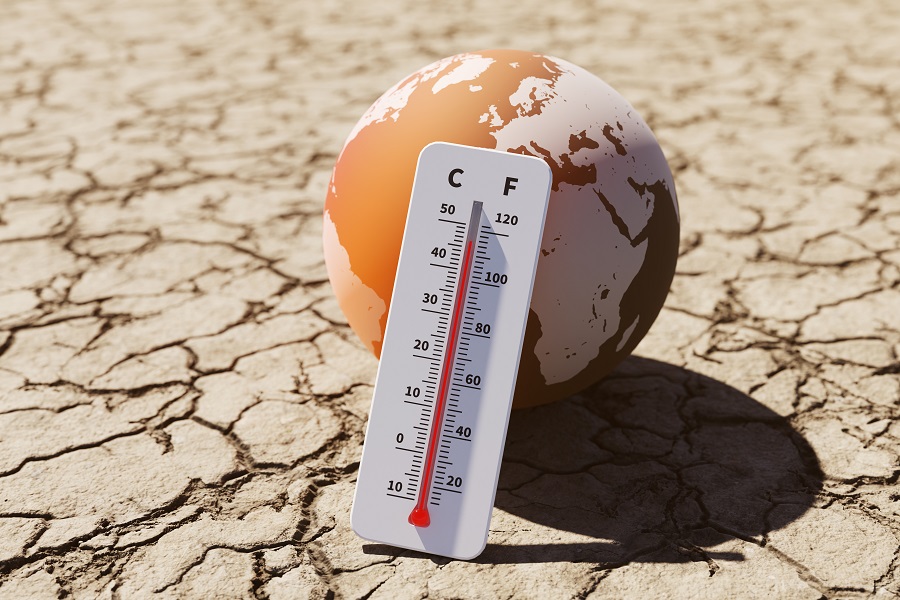
El Niño has officially come to the tropical Pacific after a season of drier La Niña patterns that worsened drought across the Southwest. Forecasters say the phenomenon is already present and is expected to intensify into a moderate or strong weather event — with about a 63 percent chance of becoming a “very strong,” or super, El Niño by the Northern Hemisphere winter.
In a state like New Mexico that is used to the boom-and-bust cycles of the El Niño-Southern Oscillation, the change carries both promise and peril.
The Good: A Tilt Toward Wetter Winters and Potential Drought Relief
Historically, El Niño events push the jet stream southward, steering Pacific storm systems toward the southern tier of the United States. In New Mexico, this translates to above-average rainfall during the cool season — roughly October through April — offering a respite to reservoirs, snowpack, and soil moisture.
Stronger events, such as those in 1982-83 or 1997-98, have caused wet periods across the region. With forecasts pointing to a stronger influence, state officials and water managers are closely monitoring for improvements in the Rio Grande, San Juan, and other basins after years of strain.
Ranchers and farmers growing chile, pecans, and other crops could experience reduced irrigation demands and greener rangelands. Eastern New Mexico, in particular, will likely see wetter summer conditions at the onset or strengthening of El Niño, alongside slightly cooler temperatures across the state that might temper extreme heat.
Wildfire risk could be reduced in the short term as vegetation will be healthier. The period can provide a breather for the state’s fire-prone forests and grasslands.
The Risks: Extremes, Flooding and No Guarantees
However, El Niño is no panacea. It is no guarantee of a drought-free winter. Outcomes vary widely depending on the event’s strength, exact positioning, and interactions with other climate patterns. Even a positive seasonal cycle can feature long dry spells punctuated by deluges.
A stronger El Niño raises the possibility of heavy rainfall events. It can increase the possibility of flash flooding, especially when Pacific storms interact with monsoon rain. Post-wildfire wreckage flows and urban flooding in areas with poor drainage remain vulnerable
More extensive climate change complicates the picture. The Southwest is leaning toward hotter and more arid conditions overall, with higher evaporation rates that can sap even heavy rainfall. A very strong El Niño, according to the World Meteorological Organization, could amplify extreme temperatures globally while delivering intense weather shifts in the state.
What Residents and Officials Should Watch
- Water and Agriculture. Signs of early improvement of snowpack or reservoir inflows could ease restrictions, but planning for variability remains essential.
- Fire Season. Near-term relief is possible. But quick drying later in the season or in subsequent years could increase risks.
- Infrastructure. Preparations for winter storms, heavy rains, and flooding in vulnerable canyons and arroyos must be in place.
- Longer View. Even a beneficial El Niño needs time. A sustained adaptation to a warmer baseline is still critical for New Mexico’s water security and economy.
Meteorologists at NOAA’s Climate Prediction Center and the National Weather Service in Albuquerque will provide forecasts monthly. The return of El Niño, at the moment, offers cautious optimism for a drier state — shaped by the knowledge that in a disrupted climate era, no season is average anymore.
Editor: This article draws on current NOAA, WMO and regional climate analyses as of late June 2026.

