

A team of scientists is heading into one of the most remote and unexplored parts of the Pacific. Aboard a high-tech research ship, the team is searching for the remains of a World War II battle and hoping to find strange, almost otherworldly creatures.
The Exploration Vessel Nautilus, designated as NA181, is circling Wake Atoll for a 30-day expedition into waters that few people have ever seen. Its robotic submarines are diving thousands of meters into total darkness.
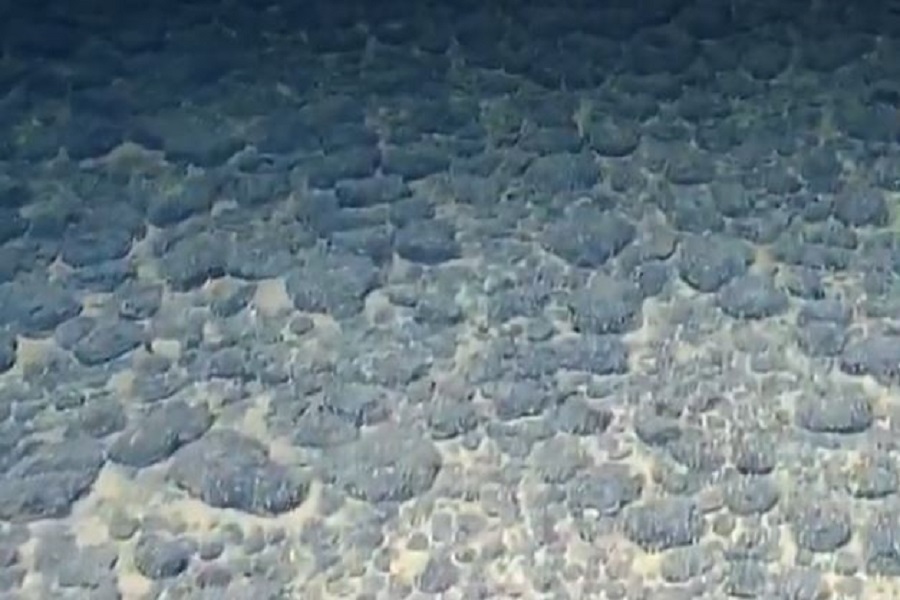
From the ship’s control room, the Corps of Exploration guides the machines across wide, dark plains on the ocean floor, passing underwater hills and old volcanic ridges.
Scientists think these deep waters might hold creatures that have never been seen before. Some even wonder if there could be something that would excite UFO enthusiasts, especially after claims that President Donald Trump told someone that aliens are hiding in the ocean.
But the team is also searching for pieces of history from Wake Island, the site of a fierce battle between American and Japanese forces nearly 85 years ago. The waters near the island are virtually an underwater graveyard for many ships and aircraft lost during the war.
Now, the Nautilus crew hopes their cameras will finally find some of those lost wrecks. “We’re putting eyes on places that have never been looked at before,” the team told viewers watching the live feed from around the world.
During recent dives, the robots saw three dumbo octopuses in one trip to the deep. These strange, pale creatures have fins that look like ears and seem to flutter through the darkness.
The team is now using Nautilus’ multibeam mapping systems, along with the Hercules, Little Hercules, and Atalanta vehicles, to traverse the ocean floor at depths near 5,000 meters. They use the more versatile Hercules robot when they think they have found a shipwreck. For the deep, flat plains, they rely on Little Hercules, which can dive even deeper.
The fourth of five Ocean Exploration Trust expeditions this season is also using special floats to check the health of the wider ocean.
The mission began on August 20 and will continue until mid-September. After that, Nautilus will travel to Hawaii for its last voyage of 2026. It is taking place inside the Pacific Islands Heritage Marine National Monument, a protected area about the size of a small country,
NOAA Ocean Exploration sponsors it through the Ocean Exploration Cooperative Institute. It follows two earlier missions in the Mariana Islands region and precedes a final expedition in the Hawaiian Archipelago.
For now, everyone is watching this remote Pacific outpost, wondering if the robots will find anything in the rusting remains of a lost warship, discover new corals, or spot strange creatures hiding in the dark.
Unlike many other deep-sea missions, people around the world can watch the dives live on YouTube and NautilusLive.org. They can also ask the scientists questions as they explore the deep sea.

