

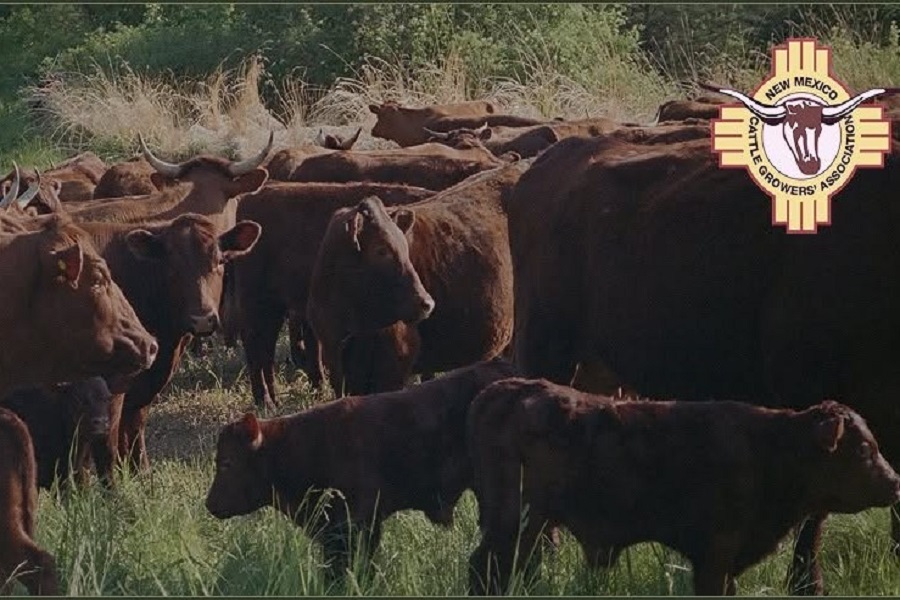
President Donald Trump has been casting himself as a champion of American farmers. Now, one of the country’s conservative ranching industries is warning that the president’s latest beef policy could leave cattle producers feeling betrayed.
The New Mexico Cattle Growers’ Association says Trump’s decision to open the door to more beef imports sends the “wrong signal at the wrong time.” It comes at a moment when American ranchers are being forced to make some of their biggest financial decisions as they enter the crucial culling season, when unwanted bulls and calves are sold as cattle reach peak weight, and also when producers are preparing for the expensive winter feeding months ahead.
More imported beef, particularly cheaper ground beef, could put pressure on the prices ranchers receive for their cattle just as they are trying to protect cash flow.
Trump’s August 26 executive order makes clear that his administration hopes to have cheaper beef for American consumers. The president expects the order could bring in ground beef that can be sold at a discount to current prices, making it affordable for hard-working Americans.
The order may look like a welcome relief at the supermarket checkout, but cheaper beef could mean cheaper cattle. “A smaller check tightens cash flow at the exact moment producers are weighing whether, even assuming drought conditions break, they can afford to retain heifers,” the New Mexico association lamented.
The president’s decision matters far beyond a single sale, as keeping heifers means rebuilding and expanding herds. That is something ranchers may desperately want to do after years of drought and difficult conditions.
But if cattle prices fall, ranchers could decide they simply cannot afford to keep those animals. It could lead ranchers to sell more cattle today to stay afloat financially, making it harder to rebuild the nation’s domestic herd tomorrow.
That is why the association says the administration’s message troubles them. The ranchers said they do not need policies that can significantly alter the market from one order to the next, saying they need confidence to make decisions that stretch years into the future.
As they criticized the new beef import order, however, New Mexico’s cattle growers praised the administration for reopening some cattle imports from Mexico after it closed the border amid fears over New World screwworm.
Authorities have detected the flesh-eating parasite, which preys on cattle and other animals, across Mexico and Central America, prompting U.S. officials to develop testing and other safeguards before allowing cattle movements to resume.
Protecting the health of America’s cattle herd must remain a priority, the association says. It also says the ranchers who raise those cattle need protection because they are crucial to the survival of rural communities. “New Mexico Cattle Growers will keep saying it plainly to the Administration and to the Congress: we must protect the health of the US cattle herd, and we must keep the ranchers who produce those cattle, and who are critical to our rural communities, on the landscape,” the group said.
Their bigger concern is about consistency. Ranchers cannot plan their businesses around the next presidential announcement, underscoring that raising cattle requires long-term investments. “Lasting relief depends on thoughtful policy that lets ranchers plan five years out, instead of policy built around the next 90-day announcement,” the association said.
That is the uncomfortable truth facing Trump’s beef strategy. The administration wants to make meat more affordable for everybody. But the quickest way to lower prices at the checkout counters could put significant pressure on the very ranchers America needs to maintain a strong domestic cattle supply.
New Mexico’s cattle growers stressed that helping consumers today should not come at the expense of destroying the confidence American ranchers need to do business tomorrow.

