


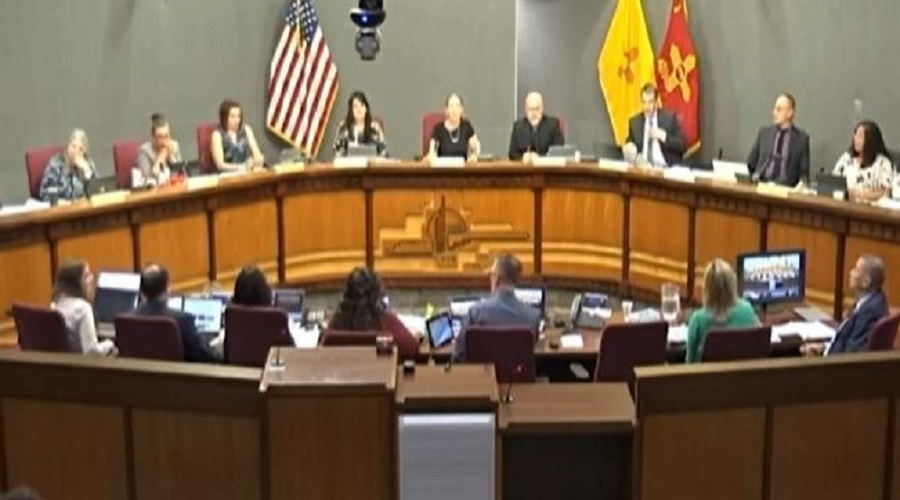
The Albuquerque City Council approved a gradual increase in the city’s minimum wage, a decision arrived at after a bitter debate marked by public outbursts, accusations of political maneuvering, and the removal of two members of the audience.
The measure raises Albuquerque’s minimum wage to $15 an hour by 2030, but not all at once. Instead of a one-time wage hike, the council approved an amendment that phases in the increase through annual $1-per-hour raises over the next three years. Afterward, daily wages would rise automatically with inflation through annual cost-of-living adjustments.
A larger national question overshadowed the debate: How quickly should wages increase to keep pace with the climb of prices for housing, food, and transportation?
What the Minimum Wage Raise Means for Workers
The additional dollar per hour is equivalent to approximately $2,080 in extra earnings per year before taxes for a full-time employee working 40 hours a week. Under the approved plan:
- A worker who received a $1 hike would gain about $173 more per month before taxes.
- A $2 increase would amount to about $347 more per month.
- A $3 increase would generate roughly $520 more per month, or over $6,000 annually.
That difference could help many city households cover rising rent, utility bills, groceries or gasoline costs. These expenses have outpaced wage growth in recent years.
Several studies have shown that minimum-wage workers spend most of their income immediately on necessities. That could mean higher wages tend to flow directly back into local businesses and neighborhoods.
Why Business Owners Wanted a Slower Timeline
Restaurant owners and other small-business operators pointed out that an immediate increase would squeeze already slim margins. Carol Wight of the New Mexico Restaurant Association said businesses are still adjusting to chronic inflation, rising labor costs, and higher operating costs. A gradual increase, she argued, provides business owners time to adjust pricing, improve productivity, and absorb additional manpower costs without reducing personnel or their working hours.
The concern is true throughout the country. Business groups frequently caution that rapid wage increases can force employers to raise prices, reduce staff size, or postpone expansion plans. “People (need) to understand that it’s not just people making minimum wage that can’t afford things; it’s also people who give jobs that can’t afford to keep raising their prices,” Wight said.
The Politics Behind the Vote
The meeting itself became nearly as remarkable as the policy the council approved. Council President Klarissa Peña had forced her to order the removal of two individuals from the chamber after repeated violations of council rules during public comment. Peña ordered the removal of one speaker after comments that she characterized as ridiculing others. Another was escorted out after directly addressing a council member rather than speaking through the council chair.
The disputes escalated further after labor advocate Thomas Abeyta alleged an email indicating Councilor Dan Lewis had been working with apartment associations to oppose the wage hike. Lewis offered no public comment on the allegation at the meeting.
The exchange highlighted the conflicting interests surrounding the ordinance. Pro-labor supporters of the measure argue wages have failed to keep up with Albuquerque’s cost of living. On the other hand, several business and property groups worry about the economic effects of higher labor costs that the wage could bring.
Advertisement
The Bigger Question: Will It Be Enough?
Even supporters admit that a minimum wage reaching $15 an hour by 2030 may not fully address affordability issues. Housing costs in Albuquerque have risen significantly over the past decade. Many workers earning near the minimum wage spend a big share of their income on rent alone.
The final increase three years from now could provide meaningful relief for a household with one full-time minimum-wage worker. Advocates insist, however, that rising costs would exceed wage growth. Many families may still suffer despite the higher pay base.
The council’s vote therefore is both a victory and a compromise. It promises a minimum wage hike for workers while delaying the full monetary impact on business owners. But for city residents who live paycheck to paycheck, the debate is not only about an hourly wage. It was about how much is left in a family budget after paying for food, housing, and transportation.

