


Western New Mexico University has revived its flagship hands-on regional expeditions, strengthening its marine studies program through field-based learning that gives students firsthand experience with climate change and coastal ecosystems.
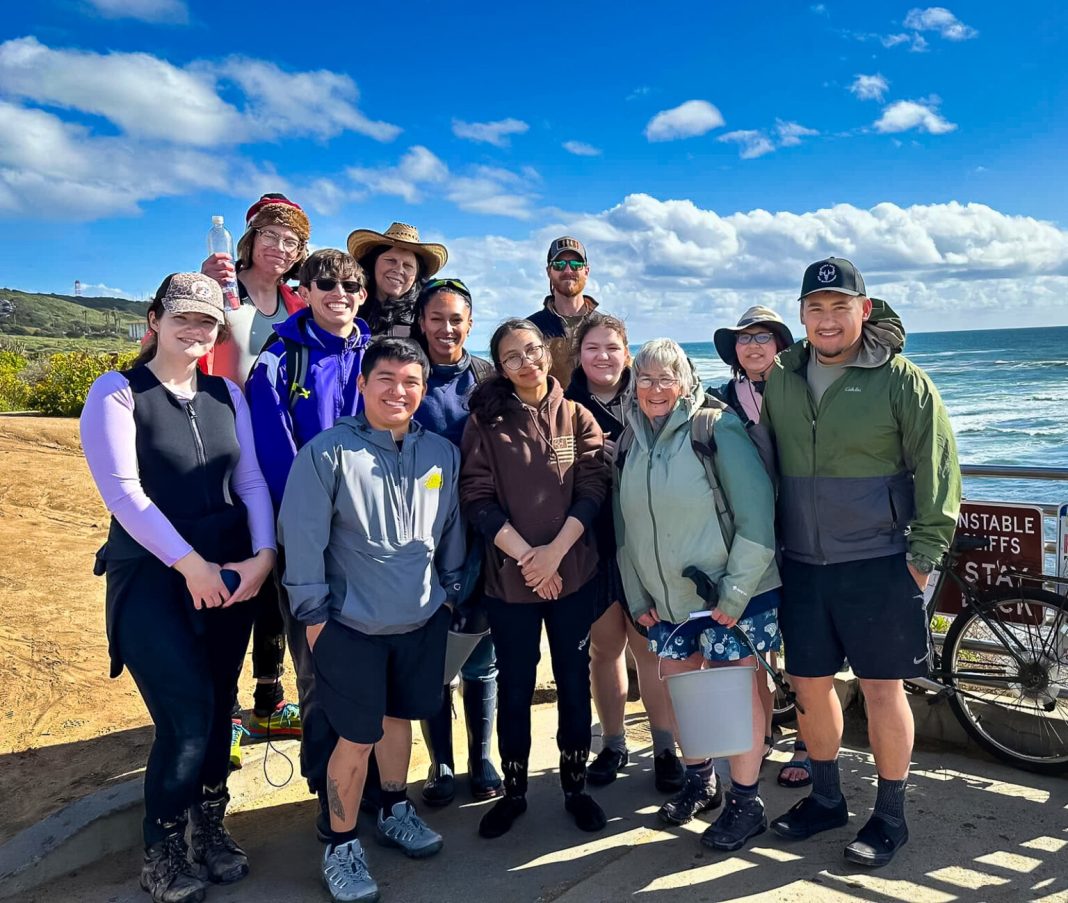
Students recently returned from a four-day field expedition to San Diego, where they used the Pacific coast as a living laboratory to study the local effects of climate change.
The annual April excursion is a cornerstone of the field curriculum offered by the Western New Mexico University Department of Natural Sciences. This year’s expedition also serves as preparation for a more rigorous voyage to Sonora, Mexico, scheduled for June.
The regional excursions are co-led by biology professor Manda Jost and assistant biology professor Caleb Loughran. The program provides students with direct exposure to coastal ecosystems and field research techniques.
During the San Diego trip, students camped at Sweetwater Regional Park in Bonita. They conducted biodiversity surveys at Sunset Cliffs, Point Loma, and the La Jolla tide pools. The June marine biology course marks the return of the international field expeditions for the first time since the COVID-19 pandemic.
“The expeditions can serve as a professional rite of passage,” Jost said. “Long before reaching the coast, students are fully immersed in the logistics of fieldwork, showing up hours in advance to remove van seats, organize field kitchen kits, and secure delicate laboratory gear to roof racks. Once on-site, they manage everything from base camp assembly to shared cooking rotations.”
How the San Diego Trip Went
Students begin days at sunrise with field sessions, tide pooling, swimming, snorkeling, or hiking to collect ecosystem data WNMU reports. They rest during a midday siesta at the peak of the day’s heat. They then transition to afternoon data logging, daily quizzes and lectures, and finish with a second field session at dusk.
Students use dive slates while snorkeling to document marine life. They sketch the precise body shapes and fin positions of fish for later identification.
“We very quickly create an experience where, if you intend to become a professional biologist, and you’re going on field trips, you have to do these kinds of things,” Jost said. “A van’s not going to pull up and say, ‘Hop in.’ You need to prepare the gear in advance and be part of a team. Once you get out in the middle of nowhere, you can’t just run back and grab something you forgot.”
Applying Field Data to Future Research
Officials said this year’s San Diego expedition provided a critical, sobering lesson in modern marine ecology. Faculty and students observed a dramatic decline in biological diversity across the intertidal zones compared to previous years. Jost attributed the change to El Niño conditions, which raised local water temperatures by at least five degrees above normal.
The department plans to integrate these observations into its expanding long-term data sets. Jost said marine biology courses must focus on how changing oceanic temperatures alter food webs and organism distribution patterns.
The California fieldwork will be tested almost immediately in a four-week course. Students will then complete a two-week wilderness camping research expedition in the Gulf of California in Sonora, Mexico.
The Mexico trip offers an intense, remote survival experience, according to WNMU. Students must haul water, food, and shade structures to a rugged desert beach up to two hours from the nearest medical facilities. Faculty leaders are trained Red Cross lifeguards and wilderness first responders. They manage the risks in the isolated environment, Jost said, adding that “student safety is our priority.”
Students say this course is the toughest they’ve ever faced — and the most rewarding, Jost said. “They come home as field biologists who worked for it.”

