

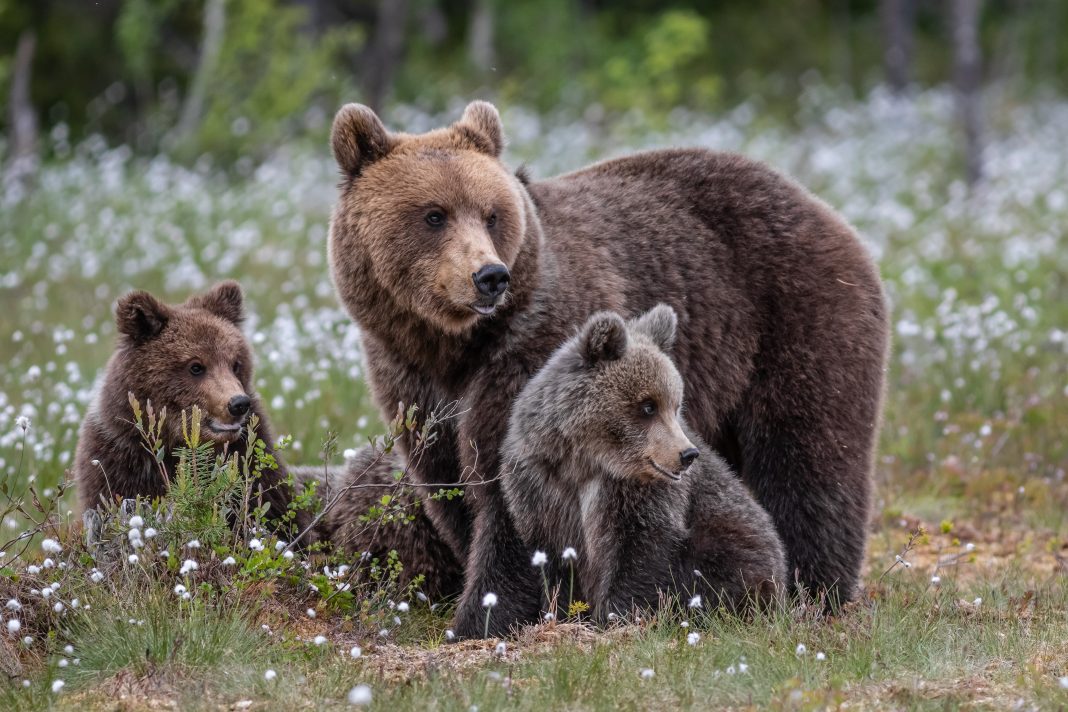
There has been some grizzly news in the neighborhood and it’s seeing bears more often than before. The New Mexico Department of Game and Fish says an increase in bear sightings across the state is likely due to the weather.
Since July 2, there have been nearly 80 reported sightings and more than a dozen in and around Albuquerque. Other sightings are reported throughout the Sandia and Manzano Mountains, as well as in Santa Fe, Rio Rancho, and the communities around the Gila Mountains. The overall sightings have increased significantly statewide, according to NMDGF.
NMDGF explains that higher temperatures and a lack of moisture during spring and summer have left bears with less food and water in the mountains, leaving them no choice but to search for food and water in lower areas, even in neighborhoods.
New Mexico Department of Wildlife Communications Director Darren Vaughan said bears are entering residential areas since the sources are more readily available. Even garbage, leftover pet food, birdseed, or rotten fruit left on the ground after it falls from trees can be their food source.
In line with this, NMGDF provided some bear safety tips to keep in mind.
Keeping Bears Away From Pets And Property
Garbage should be placed in closed, sturdy cans to ensure secure storage. Avoid putting out the garbage before a scheduled pickup.
Your pets should be indoors. Store their food in secure metal cans inside a sturdy shed or garage. Make sure your garage door is closed at night.
As for bird feeders, only put enough birdseed to last all day. Fruit-bearing plants should be planted away from your house and should be picked once ripe. Spoiled fruit that falls to the ground should be removed, as it will attract bears.
Woodpiles and compost piles should be kept away from the house since woodpiles can attract rodents, and adding melon rinds or other fragrant fruits to the compost piles won’t help either.
Livestock should also be kept away from your house. Barbecues should be cleaned after each use and stored in a closed, sturdy shed or garage.
Lastly, NMDGF says electric fencing has been an effective way to keep bears away without causing them harm.
How To Prevent Potential Bear Encounters
They have also sent guidelines on how to avoid encounters with bears.
Feeding bears, intentionally or unintentionally, trains them to approach homes and return for more food. Risking your safety by getting closer to them isn’t worth it, since they can get aggressive.
Food and food odors can attract bears, so don’t give them a clue to available food or garbage.
Removing bird feeders when bears are active is also one of the best ways to avoid having encounters with them. Birdseed and other grains have a high calorie content, making them a perfect food for bears.
Leaving pet food outside can also attract bears, so avoid doing so. Cleaning and storing your grills in a safe place is also one way to avoid bear encounters.
Lastly, letting your neighbors know about recent bear activity can help prevent future bear conflicts.
You See A Bear, Now What To Do?
When seeing a bear, you shouldn’t panic or get close to them. Doing this will attract the bears to you.
Do not run away from them; instead, stay calm and slowly wave your arms as you back away. While doing this, you can also look for cubs and do not attempt to go between a mother and her cubs.
When attacked, fight back aggressively.
These are all the guidelines by NMDFG about handling bears.