

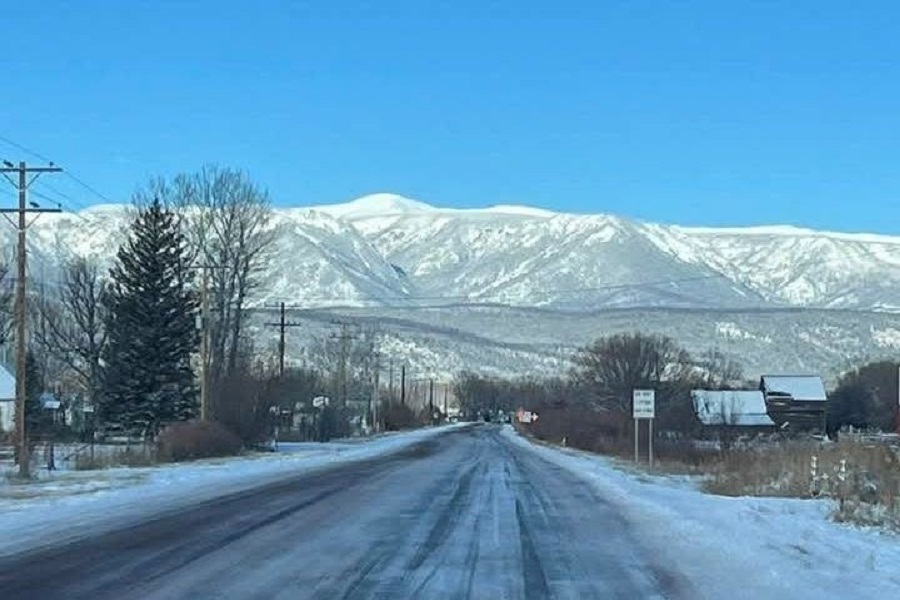
Winter is coming in some parts of New Mexico, while much of the state is still experiencing scorching heat under late-August sunshine. Some of the state’s elevated communities are edging toward the time of year when temperatures can plunge below freezing, with the first 32°F nights typically arriving as early as the first week of September.
According to the National Weather Service, the Red River will have its average first freeze around September 7, based on climate averages for 1991–2020. That puts the high mountain community only days away from its typical annual freeze.
Eagle Nest follows around September 14, while Chama normally sees its first freeze around September 18.
The countdown continues across New Mexico as the state moves from its high peaks and mountain valleys toward the warmer lowlands.
But these are climate averages, not a forecast for 2026. A particular location can freeze substantially earlier or later depending on the weather pattern that year.
The cold arrives first in the mountains
The first to experience the earliest average freezes are the mountains of northern New Mexico. After Red River, Eagle Nest, and Chama, Dulce typically reaches 32°F around September 22.
In the south and east, Taos and Pecos will have their first freeze around October 3, followed by Las Vegas on October 7 and Raton on October 9.
Los Alamos reaches its first freeze around October 12, while the Santa Fe Airport averages its first 32°F reading around October 15.
That means there can be a difference of more than a month between the first freezes in New Mexico’s coldest mountain communities and the lower elevations around Albuquerque.
When will Albuquerque freeze?
The first freeze generally arrives much later for Albuquerque and the central valleys. Corrales averages its first 32°F freeze around October 17. And Los Lunas follows on October 21, with the Albuquerque Foothills around October 23, while the South Valley is around October 24.
Socorro averages its first freeze around October 25. But residents around Albuquerque’s Sunport typically have to wait much longer, with the average first freeze not arriving until November 3.
The difference becomes striking in the farther south. Elephant Butte averages its first freeze around November 15.
Not the only early-freeze zone
The Northwest also begins cooling as autumn starts. Chaco Canyon will see its first freeze around September 27. It will be followed by Gallup on September 28, and Zuni on October 2. Aztec averages October 6, while Farmington’s first freeze will arrive around October 15.
Cloudcroft and Estancia in the Central Mountains both average their first freeze around October 1. Moriarty follows on October 4, Ruidoso on October 5, and Clines Corners on October 7. And Sandia Park and Mountainair average their first freeze around October 9.
Eastern Plains have more time
Freezing temperatures generally arrive later across eastern New Mexico. Clayton will have its first freeze around October 11. Santa Rosa follows on October 23, with Clovis around October 24, Tucumcari on October 25, and Portales on October 26.
In southeastern New Mexico, Artesia typically reaches freezing around October 29, and Roswell around October 30.
Carlsbad and Hobbs will experience the late freeze on November 12 and 13, respectively.
Southern New Mexico could stay frost-free into November
It usually takes even longer for winter to arrive in southern New Mexico.
Lordsburg averages its first freeze around October 25. Deming follows on November 3, while Truth or Consequences averages November 5.
Las Cruces and New Mexico State University will not reach 32°F until around November 13. And Alamogordo has one of the latest average first freezes in the state, around November 18.
That will be a statewide spread from a typical first freeze in Red River in early September to one in Alamogordo more than two months later.
But the mountains can freeze at almost any time
Given New Mexico’s dramatic elevation changes. Some mountain and elevated plateau areas can experience freezing temperatures outside their typical autumn window.
The National Weather Service notes that parts of northern and western New Mexico can freeze at virtually any time of year. So while September 7 is the climate-average date of the first freeze for Red River, it does not mean the thermometer is destined to hit 32°F on that exact date this year.
Meanwhile, there is no statewide 2026 freeze deadline looming on the calendar. But the numbers offer a reminder of what will come.
In the state’s elevated communities, the transition from summer to winter can happen with astonishing speed, and the first real taste of frost may be closer than expected.

