For the last decade, the Albuquerque BioPark has organized this celebration in an effort to educate, raise awareness, and support conservation efforts to protect primates in the wild.
This year, the BioPark aims to raise $20,000 for the Sumatran Orangutan Conservation Program and the Pan-African Sanctuary Alliance.
Agena said that all the proceeds will go directly to the organization in areas such as Africa to help address poaching, deforestation, and other factors affecting the declining populations of chimpanzees and gorillas.
“The money that we make from the items that we sell go directly to organizations in these areas, so Africa, for example, that will help with the poaching, the deforestation, things like that that are declining the populations of the chimpanzees or gorillas,” she said.
Each week, the zoo will dedicate an education station to a different great ape; this week’s talk centers around chimpanzees.
“And every Saturday we’ll be kind of talking a little bit about each species and what they’re facing and why their populations are declining,” Agena explained further.
A parent and an educator expressed their joy at these kinds of events, which provide a great way to teach kids outside of the traditional classroom setting.
“It’s really important to be able to expose her to the things she’s seen in the books that we’ve read and the things she’s seen on shows like Wild Kratts, for example, that she really loves to watch about animals and stuff,” Schall explained.
Schall sees this as not only a great learning opportunity for her daughter, but also as their quality time as a family.
Editor’s Note: This is a news update regarding the April 2nd article regarding the March 22 Clovis shooting.
Police announced that a teenage girl named Massahea Wesley, 17, died on Friday due to her injuries after being in critical condition since late last month. Wesley was part of a crowd at a party when someone fired several shots into the building.
Emergency responders transported the victim to a Lubbock area hospital after the incident.
Before Wesley passed away, Lyrasha Haskins, 21, passed away on the day of the shooting on March 22.
Clovis Police say they have arrived at a neighborhood where six people were found shot. After gathering crucial information through witnesses’ accounts, police filed warrants against Kaleb Ponce and Enrique Padilla (Both 19 and 18, respectively).
Ponce turned himself into the police on Monday and early Thursday morning, and police took him into custody.
A witness told police that the shooting may have targeted Wesley. Both suspects face over a dozen charges.
The District Attorney’s Office will add a second murder charge as they are now reviewing the charges after Wesley’s passing.
The Clovis Police Department asks anyone with information about the March 22 shooting to call 575-769-1921.
Time moves differently in the parched land of New Mexico’s Mimbres Valley. It blends in the wind, settles in the dust, and echoes in the voices of men who have spent their lives riding land that grinds slowly, changing — in some ways, disappearing.
Filmmaker Tamar Lando has returned to this landscape for nearly a decade to document what remains of the fading way of life. Her film, Land with No Rider, is neither narration-driven nor sweeping social commentary. The film unfolds instead through the quiet, unguarded reflections of aging ranchers — Anglo and Hispanic — whose lives are deeply intertwined with the land they cultivate.
Film critic Robert Daniels described the documentary as “a stirring ode to the last few acres of the West,” documenting both its beauty and its slow unfolding.
Finding a story in a voice
Lando did not plan to do the documentary. “I was interested in people’s voices — how they express their truths,” she said. At the start, she planned to take pictures of cowboys, a world completely strange to her, having lived her life in Southern California and later in New York City.
But everything changed when she met rancher John Fowler. “He had the most beautiful voice I’d ever heard,” the filmmaker recalled. “That voice shifted everything.”
Earning trust, capturing truth
Through the years, Lando returned time and again to the Mimbres Valley. She built relationships with her subjects, many of whom are in their 70s and 80s. Trust came. Conversations grew richer. Stories unfolded.
The result is a film documentary that allows its subjects to speak for themselves, in unembellished language, with its unexpected weight. “They’re incredibly poetic,” Lando said. “Their words are simple, but they have power.”
Life on the edge of change
The years of filming coincided with a drought that wiped out about 4 out of 10 of some ranchers’ herds. But the losses were more than just livestock. Many of the ranchers were also confronting aging, grief, and the gradual erosion of a way of life.
The film’s stillness carries tensions that Lando deliberately leaves unexplained. Debates over land use, wildfire management, and the growing divide between ranchers and environmental advocates across the American West underpin the tension. “I didn’t want to make a political film,” she said. “But those issues are there, just under the surface.”
A code without words
“These men live by a code,” she said. “It’s not something they articulate, but you see it — in how they treat people, in their sense of dignity, in keeping their word.” These quiet principles stood against the backdrop of a world filled with noise and distraction, particularly in cities like New York and Los Angeles.
A line in the film captures it best. “Cowboys are careful,” says Ramon, one of the ranchers. For the filmmaker, that simple phrase redefines a familiar image, pushing back against the myth of the reckless, good-looking cowboy often portrayed in Western films.
“To live on the land as they do, you have to understand its power,” she said. “Care isn’t weakness — it’s survival.”
Where to watch
Land with No Rider opens at Sky Cinemas on April 17. It will be followed by screenings at the Guild Cinema on April 20. Then the Taos Film Festival will feature the documentary.
The film offers no sweeping judgments, giving voices to the fading stories of the American West.
It’s never too late to finish what you started. Western New Mexico University (WNMU) alum Chris Cochran proves this after a 35-year educational journey. His story embodies resilience, Mustang pride, and a life-changing connection to Silver City.
Cochran is a former Mustang quarterback and successful Oklahoma entrepreneur. He returned to his roots to complete his Master of Business Administration (MBA) at WNMU.
In 1988, he transferred from an Oklahoma school to play football for the Mustangs. Cochran sought to leave his small hometown and start fresh, and he thrived in the unique environment of Silver City. He acknowledged Silver City and WNMU with helping him “straighten up” and focus on his future.
Cochran excelled on the field during his time on campus. He also showed strong leadership, serving as a Junior and Senior Senator for the student body.
Meanwhile, he commanded the Mustangs’ offense as quarterback during the 1988 and 1989 seasons. He played a central role in one of the most storied wins in the university’s history. IN 1989, Cochran helped the Mustangs upset Division I Northern Arizona University, a team ranked third in the nation at the time. Decades later, he reunited his teammates to honor that achievement at the New Mexico Bowl.
After graduating in 1990 with a 3.7 GPA and a business degree in marketing, Cochran launched a successful career. He began in public relations for Delta Dental in Albuquerque before returning to Oklahoma. He ran a commercial insurance agency there for 25 years while raising four sons with his wife of 36 years.
Finishing the unfinished business
Despite his professional success, Cochran felt compelled to finish his graduate studies. He began an MBA years earlier but left it unfinished to pursue a business opportunity. WNMU welcomed him back. Cochran enrolled in January 2024 and completed his MBA in July 2025.
“I called Western and they were so welcoming,” Cochran said. “They honored my undergraduate credits, which allowed me to achieve my masters. I’m so proud to be from WNMU; they’ve taken the care of their students to a different level.”
Cochran is a proud member of the Muscogee (Creek) Nation. He now serves as a consultant for Native-owned businesses and develops property near the Texas-Oklahoma border. He remains a vocal advocate for the university, encouraging prospective students to choose Silver City’s personalized, community-focused learning environment.
“You need to look into Western because it’s small enough that you can be engaged in several different things,” Cochran advised. “At a bigger place, you get lost in the mix. At Western, you’re part of something.”
According to court documents, authorities have charged a nurse who previously worked in the pediatrics unit at Presbyterian Hospital, located in downtown Albuquerque, with possession of child pornography.
Police booked Blade Rogers, 29, into Bernalillo County Metropolitan Detention Center on Thursday for the charge of possession of a visual medium of sexual exploitation (child under 13).
Court documents state that Rogers allegedly used a free messaging app called Kik, which is available on smartphones, to purchase sexually explicit videos of children.
In February, the National Center for Missing and Exploited Children sent a tip about child sexual abuse material to the New Mexico Department of Justice Internet Crimes Against Children Task Force.
NMDOJ investigators linked Rogers to the tip by requesting records from Google and Kik.
On Thursday, investigators and police went to Rogers’ apartment in northwest Albuquerque and served a search warrant. While there, they detained Rogers and seized his phone.
According to court documents, authorities found a file containing child sexual abuse material on his phone.
The state has requested that Rogers remain in custody while awaiting pretrial detention authorities.
Presbyterian Healthcare Services has confirmed that Rogers is no longer affiliated with them. They are working closely with law enforcement during the investigation.
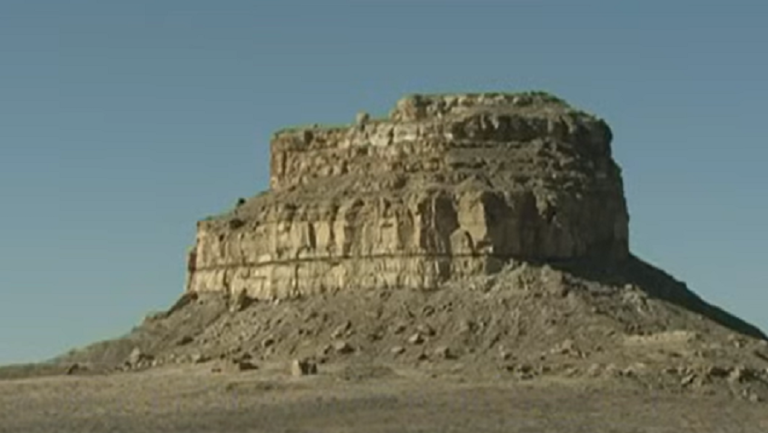
The U.S. Bureau of Land Management (BLM) moves to revisit — and potentially roll back — the age-old protections around Chaco Culture National Historical Park. But the move drew sharp rebuke from Indigenous communities, environmental advocates, and lawmakers, saying the process sidelines those most affected.
Central to the controversy is the seven-day public comment period, which started Tuesday and runs until April 7. The review could shrink or eliminate a 10-mile buffer zone, which bans new oil and gas leasing around the park.
The federal agency is considering three options: retaining the existing 10-mile buffer, reducing it to five miles, or removing the protections entirely.
BLM officials said public feedback will help shape the upcoming environmental assessment under the National Environmental Policy Act (NEPA), after which it will also undergo public review. Critics, however, said the timeline itself signals a deeper problem.
“Allowing just seven days for public comment on the fate of a 1,000-year-old sacred site is inadequate and disgraceful,” wrote Senator Ben Ray Luján on social media. He warned that the timing during Holy Week and the online-only format limit public participation. Luján, a member of the Senate Committee on Indian Affairs, said the move erodes tribal sovereignty and the government’s duty to consult Indigenous communities.
The buffer zone covers more than 336,000 acres. Put in place by then-Interior Secretary Deb Haaland in 2023, it temporarily withdrew federal lands around Chaco from new mineral leasing for 20 years. But it exempts existing leases along with private and tribal lands. To make the protection permanent requires Congressional action.
Chaco Canyon is a UNESCO World Heritage Site, a recognition of its global cultural value. It remains a cultural and spiritual anchor for Pueblo peoples. The ancient roads and massive stone houses serve as reminders of a complex civilization of long ago.
Stored beneath the landscape is a substantial reserve of oil, coal, and uranium. A BLM assessment found the buffer’s impact on oil production would be modest, reducing output levels by 2.5 percent
Navajo Nation leaders have advocated for a smaller buffer. They cited potential losses for Navajo allottees who rely on oil and gas revenues. In 2025, the tribe challenged the Biden administration’s 2023 decision to withdraw federal lands within a 10-mile radius of the Chaco Culture National Historical Park. They said the decision was without meaningful consultation. The case, however, was dismissed this week following a settlement.
Pueblo leaders, however, viewed the current review as raising fresh concerns. The Pueblo of Laguna is concerned about how decisions are being made, said Laguna Governor Harry Antonio Jr. Any rollback must not bypass sufficient consultation or erode cultural protections, he added.
Police arrested two suspects for a shooting that left one person dead and five others wounded last month in Clovis
Police have arrested and identified the two suspects as Kaleb Moreno Ponce, 19, and Enrique Padilla, 18.
March 22, 2026 Incident
On March 22, around 12:28 A.M., a 911 caller reported hearing multiple gunshots at Grand and Calhoun Street, stating someone had shot people.
Officers and Clovis Fire Department Emergency Medical Services responded to the scene and transported the victims to Plains Regional Medical Center with varying degrees of injury.
Someone shot Lyrasha Haskins, 21, and medical personnel later declared her deceased.
March 30, 2026: The Aftermath
On March 30, police found the suspect’s vehicle at a local recycler and seized it with a search warrant.
Following interviews and surveillance videos, investigators identified Kaleb Moreno Ponce, Enrique Padilla, and Daniel Guiterrez as persons-of-interest.
Moreno Ponce turned himself into the Clovis Police Department, and officers took him into custody and charged him with murder, accessory to wit murder, shooting at a dwelling or occupied building, aggravated battery with a deadly weapon, and tampering with evidence.
Later that evening on March 30th, Guiterrez met with investigators.
Eventually, authorities generated an arrest warrant for Padilla on the charges of murder, accessory to wit murder, shooting at a dwelling or occupied building, and aggravated battery with a deadly weapon.
April 2, 2026: The Arrest
Officers arrested Padilla on Thursday morning after they found him in a domestic dispute and shots fired call in the 100 block of Mesa Avenue.
While searching the property, they presumably found Padilla after he exited the garage, but they didn’t link him to possible shots fired or the dispute.
The court charged both Moreno Ponce and Padilla with one count of first-degree murder and accessory, and six counts of shooting at a dwelling/occupied building and aggravated battery with a deadly weapon.
Both will also face a fourth-degree charge of felony tampering with evidence.
For any information related to the incident, call non-emergency line for the Clovis Police Department at 575-769-1921. Anonymous tips can also be sent through Clovis Police Department’s tip411 program, which can be accessed via www.clovisnm.gov/167/Police anonymous tips can be provided to the Curry County Crime Stoppers at 575-763-7000.
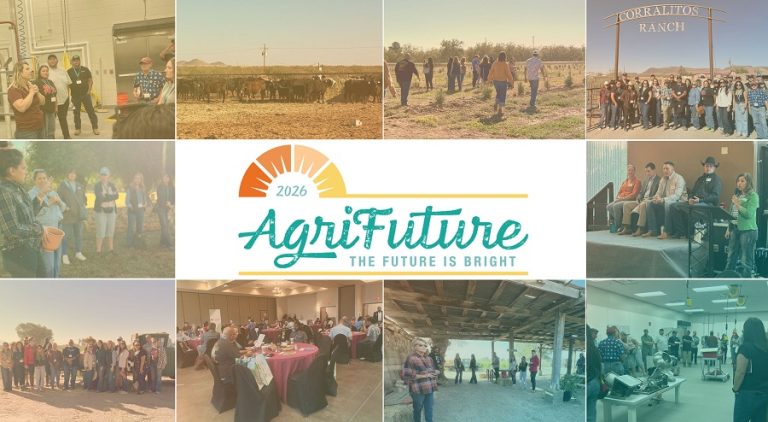
Many young people dreamed of a life rooted in agriculture. And it can be both familiar and distant for them: a heritage passed down through generations, but increasingly shaped by global markets, climate realities, and new technologies.
To bridge that gap, the AgriFuture Educational Institute will open its doors to students, aspiring professionals, and producers from across the state from June 15 to 17. It is offering not only lectures, but a snapshot of what a future in agriculture can truly look like.
AgriFuture is more of a meeting ground
The New Mexico Department of Agriculture, in collaboration with more than a dozen partner groups organized the AgriFuture. It is designed less as a traditional conference and more like a meeting ground. Here, first-timers will sit alongside seasoned ranchers, where classroom theories meet the realities of markets, fields, and livelihoods.
The attendees can experience beyond note-taking. Talks with industry leaders are expected to delve into topics that define modern agriculture. The conversations will dive into the complexities of international livestock trade, the risks and rewards of building an agribusiness, and the often-overlooked paths to support through USDA programs. Financial management and agritourism, the two pillars for sustaining rural economies, will also take center stage.
Human connection
What makes AgriFuture unique, organizers say, is its emphasis on human connection. The event structures interactive panels and breakout sessions to allow participants to ask questions, share ideas, and form relationships that could later shape their careers.
Jeff Witte, the state’s Secretary of Agriculture, said the event is an investment in people as much as in industry. “We are excited to continue hosting AgriFuture in interactive, hands-on ways,” Witte said in a statement. He invites anyone who considers a career in agriculture to attend. “New Mexico agriculture has a bright future, and this is a great way to be part of it.”
There is a quiet urgency behind the optimism. According to the USDA 2022 Census of Agriculture, the United States is facing an aging agriculture workforce and a need to attract younger generations. Events like AgriFuture could also be about sustaining a way of life.
A $75 registration fee for each student considering a career in agriculture may be a small price for access to mentors and real-world insights. Scholarships for veterans and students are available until April 15.
The investigation into the forced sterilization of Indigenous women in New Mexico is facing hurdles. Advocates warned that uncovering the full truth will take more time than expected.
State lawmakers tasked the New Mexico Commission on the Status of Women and the New Mexico Indian Affairs Department to spearhead a “statewide plan of action.” The initiative includes interviewing survivors and working with the Indian Health Service to identify all cases of forced sterilization from 1907 to 2018.
New Mexico Senate Memorial 14 sets the results of the investigation to be released by December 2027. This timeline, officials said, may be too tight.
“December 2027 sounds far away, but it’s not,” said Josett Monette, cabinet secretary of the Indian Affairs Department. Monette stressed the urgency of the probe. Although the deadline is years away, the time is short considering the complexity of the investigation. “Some of the investigation will be difficult and time-consuming. I’m not sure we’re going to get everything done in time.”
Trauma, distrust slow search for truth
The biggest barrier, according to advocates, is not bureaucracy alone. Trust is.
The probe depends heavily on the statements from Indigenous women. Many of them carry deep trauma and historical distrust of government institutions and Western medicine. “We believe the work goes at the speed of trust,” said Rachael Lorenzo of Indigenous Women Rising.
She said the probe could take months — even a year — to reach communities and assure survivors it is safe to come forward. “Considering the history of forced sterilization and the distrust that our native communities have of the Western medical system, it could take a long time,” she said.
A history buried in silence
According to a briefing from the New Mexico Memorial & Truth and Reconciliation Commission, more than 70,000 forced or coerced sterilizations were performed by the Indian Health Service and its contractors between 1960 and 1978.
By the middle of 1970s, 4 out of 10 to as many as 5 out of 10 child-bearing Indigenous women had been sterilized. A disproportionate number of these cases were linked to New Mexico.
This number of cases underscores what advocates picture as a systemic violation of reproductive rights — and this has remained largely hidden for decades.
Documents, cooperation remain uncertain
Beyond survivors’ testimonies, probers could face another big challenge. That is access to records. Officials said the Indian Health Service’s cooperation is crucial, but uncertain.
Researchers involved in the project have expressed apprehension that obtaining documents could be slow, if not incomplete, which could force investigators to rely more heavily on community accounts. “We’re going to need to hear from community voices,” Monette said.
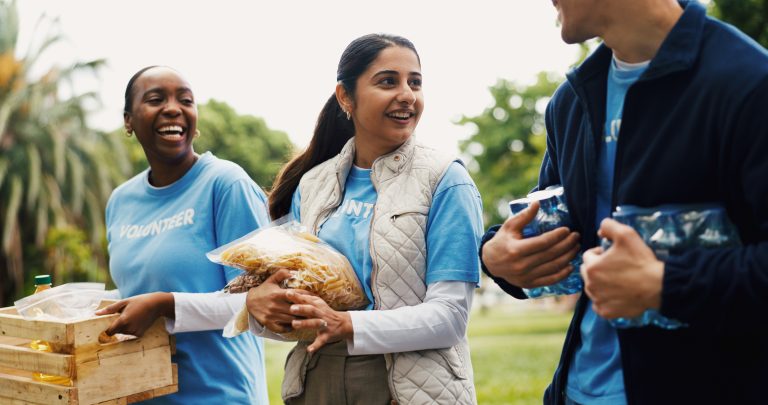
Got something to give? Now is your chance to help those in need.
The University of New Mexico will host UNM Big Give on April 9. The 24-hour celebration of giving connects alumni, friends, faculty, staff, Lobos fans, and supporters from around the world. The annual giving day highlights collective generosity, supporting programs that benefit students, research, patient care, and communities in New Mexico.
Beginning at midnight on April 9, donors can aid the schools, colleges, and programs they care about most. Gifts made during UNM Big Give can go further through special challenges and matching opportunities. These contributions unlock additional funds and strengthen key initiatives like the Student Health and Counseling Center, UNM Grand Challenges, and Patient Care.
Jeff Todd, President and CEO of the UNM Foundation, expressed excitement about the upcoming event. “UNM Big Give reflects the strength and spirit of the Lobo community. It’s a day when generosity turns into opportunity, supporting our students, advancing research, enhancing health care, advancing athletics, and strengthening the programs that serve New Mexico. Every gift helps move UNM forward.”
How to Participate
Visit unmbiggive.unmfund.org to make a gift and support the area that matters most to you. Starting in early April, donors can join Big Give at participating UNM Food locations and special campus events.
UNM Big Give expands its reach every year. In 2025, 2,556 alumni and supporters worldwide joined forces to surpass the goal of 2,500 unique contributors. They raised over $1,027,846, breaking the record for the largest single-day fundraising effort in UNM’s history.
The event showcased collaboration, with UNM Athletics hosting its annual Lobos Give Day with UNM Big Give. It raised over $363,130 for student-athlete scholarships, beating the $300,000 target.
UNM Big Give shows how collective giving drives progress, advancing education, healthcare, and opportunities across the state. Donors, whether giving for the first time or continuing a tradition, help shape UNM’s future. Save the date, share your passion, and contribute to making 2026 UNM Big Give a success.