

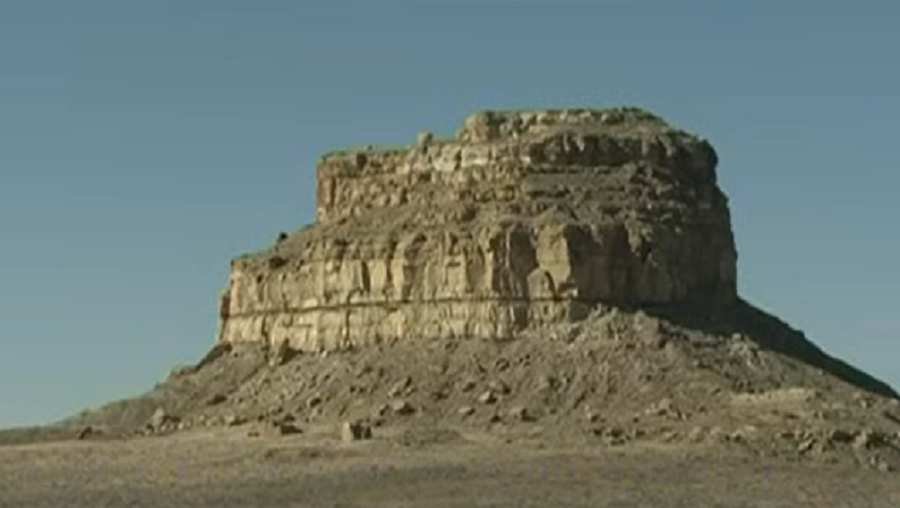
The U.S. Bureau of Land Management (BLM) moves to revisit — and potentially roll back — the age-old protections around Chaco Culture National Historical Park. But the move drew sharp rebuke from Indigenous communities, environmental advocates, and lawmakers, saying the process sidelines those most affected.
Central to the controversy is the seven-day public comment period, which started Tuesday and runs until April 7. The review could shrink or eliminate a 10-mile buffer zone, which bans new oil and gas leasing around the park.
The federal agency is considering three options: retaining the existing 10-mile buffer, reducing it to five miles, or removing the protections entirely.
BLM officials said public feedback will help shape the upcoming environmental assessment under the National Environmental Policy Act (NEPA), after which it will also undergo public review. Critics, however, said the timeline itself signals a deeper problem.
“Allowing just seven days for public comment on the fate of a 1,000-year-old sacred site is inadequate and disgraceful,” wrote Senator Ben Ray Luján on social media. He warned that the timing during Holy Week and the online-only format limit public participation. Luján, a member of the Senate Committee on Indian Affairs, said the move erodes tribal sovereignty and the government’s duty to consult Indigenous communities.
The buffer zone covers more than 336,000 acres. Put in place by then-Interior Secretary Deb Haaland in 2023, it temporarily withdrew federal lands around Chaco from new mineral leasing for 20 years. But it exempts existing leases along with private and tribal lands. To make the protection permanent requires Congressional action.
Chaco Canyon is a UNESCO World Heritage Site, a recognition of its global cultural value. It remains a cultural and spiritual anchor for Pueblo peoples. The ancient roads and massive stone houses serve as reminders of a complex civilization of long ago.
Stored beneath the landscape is a substantial reserve of oil, coal, and uranium. A BLM assessment found the buffer’s impact on oil production would be modest, reducing output levels by 2.5 percent
Navajo Nation leaders have advocated for a smaller buffer. They cited potential losses for Navajo allottees who rely on oil and gas revenues. In 2025, the tribe challenged the Biden administration’s 2023 decision to withdraw federal lands within a 10-mile radius of the Chaco Culture National Historical Park. They said the decision was without meaningful consultation. The case, however, was dismissed this week following a settlement.
Pueblo leaders, however, viewed the current review as raising fresh concerns. The Pueblo of Laguna is concerned about how decisions are being made, said Laguna Governor Harry Antonio Jr. Any rollback must not bypass sufficient consultation or erode cultural protections, he added.

