

AgriFuture Unpacked: What Aspiring Agricultural Professionals Can Expect

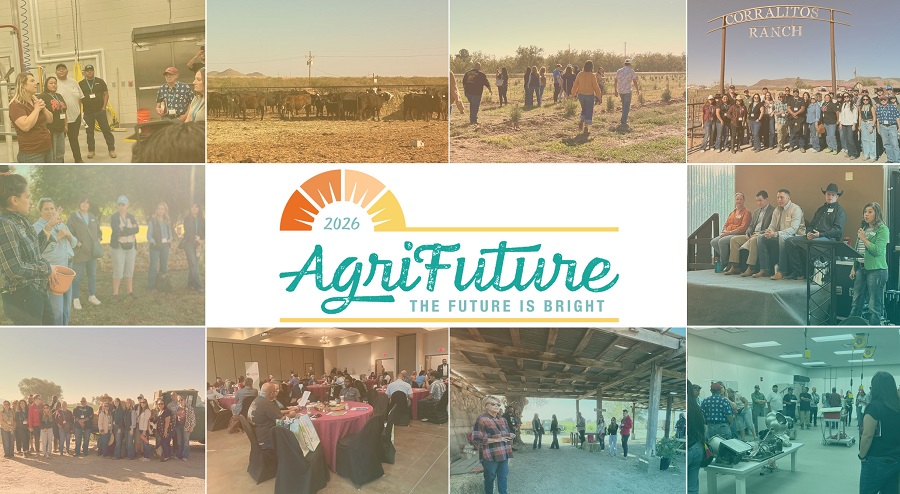
Aspiring agricultural professionals gather in Albuquerque for AgriFuture, a hands-on institute connecting students and producers with industry leaders.

Many young people dreamed of a life rooted in agriculture. And it can be both familiar and distant for them: a heritage passed down through generations, but increasingly shaped by global markets, climate realities, and new technologies.

To bridge that gap, the AgriFuture Educational Institute will open its doors to students, aspiring professionals, and producers from across the state from June 15 to 17. It is offering not only lectures, but a snapshot of what a future in agriculture can truly look like.

AgriFuture is more of a meeting ground

The New Mexico Department of Agriculture, in collaboration with more than a dozen partner groups organized the AgriFuture. It is designed less as a traditional conference and more like a meeting ground. Here, first-timers will sit alongside seasoned ranchers, where classroom theories meet the realities of markets, fields, and livelihoods.

The attendees can experience beyond note-taking. Talks with industry leaders are expected to delve into topics that define modern agriculture. The conversations will dive into the complexities of international livestock trade, the risks and rewards of building an agribusiness, and the often-overlooked paths to support through USDA programs. Financial management and agritourism, the two pillars for sustaining rural economies, will also take center stage.

Human connection

What makes AgriFuture unique, organizers say, is its emphasis on human connection. The event structures interactive panels and breakout sessions to allow participants to ask questions, share ideas, and form relationships that could later shape their careers.

Jeff Witte, the state’s Secretary of Agriculture, said the event is an investment in people as much as in industry. “We are excited to continue hosting AgriFuture in interactive, hands-on ways,” Witte said in a statement. He invites anyone who considers a career in agriculture to attend. “New Mexico agriculture has a bright future, and this is a great way to be part of it.”

There is a quiet urgency behind the optimism. According to the USDA 2022 Census of Agriculture, the United States is facing an aging agriculture workforce and a need to attract younger generations. Events like AgriFuture could also be about sustaining a way of life.

A $75 registration fee for each student considering a career in agriculture may be a small price for access to mentors and real-world insights. Scholarships for veterans and students are available until April 15.

For corrections, news tips, and any other content requests, please send us an email at [email protected].

Hot this week

UNM Steps Up to Cut Food Waste, Boost Food Access

The University of New Mexico works to turn food waste into resources that help address food insecurity on campus.

New Mexico’s Recipe for Hantavirus Risk—Climate, Deer Mice, and Country Living

More than 30 years after the Four Corners outbreak, New Mexico continues to report among the nation’s highest hantavirus pulmonary syndrome cases. Experts say the state’s ecology, climate cycles and rural living conditions have created an enduring hotspot for the rare but deadly disease carried by deer mice.

Community Solar Program Took Years to Arrive. Now the Solar Panels Are Finally Rising.

After years of delays, New Mexico’s community solar program is beginning to expand, with new projects coming online across the state. But developers and advocates say high interconnection costs and complicated billing rules still threaten the program’s long-term success.

Patient Voices Push New Mexico Lawmakers to Spotlight Healthcare Access and Affordability

New Mexico lawmakers spotlighted healthcare after hearing directly from patients, emphasizing urgent concerns about access, affordability, and workforce shortages.

Health Officials Clarify Hantavirus Risk: No Person‑to‑Person Spread

New Mexico's health officials have emphasized that the state's Hantavirus (Sin Nombre Virus) is not transmitted from person to person, which differs from the Andes virus that was responsible for an outbreak aboard a cruise ship. There have been many reports around the world about the Andes virus being transmitted by other people, and this caused people to worry about being able to contract the Andres virus from residents of New Mexico. The Andes virus is the only hantavirus known to be transmitted by another person in South America. The Sin Nombre Virus can only be contracted by contact with infected rodents, or their excrement. There are several ways to help to prevent hantavirus exposure, including disinfecting rodent nests and debris, ensuring that all points of entry into the home are sealed and practicing safe cleanup methods.

Topics

UNM Steps Up to Cut Food Waste, Boost Food Access

The University of New Mexico works to turn food waste into resources that help address food insecurity on campus.

New Mexico’s Recipe for Hantavirus Risk—Climate, Deer Mice, and Country Living

More than 30 years after the Four Corners outbreak, New Mexico continues to report among the nation’s highest hantavirus pulmonary syndrome cases. Experts say the state’s ecology, climate cycles and rural living conditions have created an enduring hotspot for the rare but deadly disease carried by deer mice.

Community Solar Program Took Years to Arrive. Now the Solar Panels Are Finally Rising.

After years of delays, New Mexico’s community solar program is beginning to expand, with new projects coming online across the state. But developers and advocates say high interconnection costs and complicated billing rules still threaten the program’s long-term success.

Patient Voices Push New Mexico Lawmakers to Spotlight Healthcare Access and Affordability

New Mexico lawmakers spotlighted healthcare after hearing directly from patients, emphasizing urgent concerns about access, affordability, and workforce shortages.

Health Officials Clarify Hantavirus Risk: No Person‑to‑Person Spread

New Mexico's health officials have emphasized that the state's Hantavirus (Sin Nombre Virus) is not transmitted from person to person, which differs from the Andes virus that was responsible for an outbreak aboard a cruise ship. There have been many reports around the world about the Andes virus being transmitted by other people, and this caused people to worry about being able to contract the Andres virus from residents of New Mexico. The Andes virus is the only hantavirus known to be transmitted by another person in South America. The Sin Nombre Virus can only be contracted by contact with infected rodents, or their excrement. There are several ways to help to prevent hantavirus exposure, including disinfecting rodent nests and debris, ensuring that all points of entry into the home are sealed and practicing safe cleanup methods.

‘You Are Not Alone’: Grief Kits Help Students Cope with Loss 

Albuquerque Public Schools received grief kits after the Rotary Club of Albuquerque and the Grief Center worked together to provide resources that help students cope with loss.

New Mexico Reopens Fight Over Toxic Oil and Gas Wastewater — Environmentalists Call It a Political Gamble

New Mexico regulators voted to revive a contentious rulemaking process that could expand the use of treated oil and gas wastewater beyond drilling sites, reigniting a fierce clash between industry advocates and environmental groups over public health, water scarcity and political influence.

Wastewater Sounded the Measles Alarm in New Mexico—Before Doctors Even Caught It

A new study shows New Mexico health officials detected measles in wastewater five days before hospitals confirmed cases, highlighting sewage surveillance as a powerful early-warning system during the nation’s largest measles outbreak in decades.

Related Articles