

New Mexico officials have made a far-reaching decision that it will no longer distribute limited tree seedlings primarily for conservation projects. Instead, the state will direct the seedlings to landscapes devastated by recent fires through the Conservation Seedling Program.
The decision by the New Mexico Forestry Division reflects the emerging reality across the American West, a region where wildfire scars now stretch across mountains, watersheds, and once-dense forests. The escalating climate crisis drives larger, more destructive wildfires; the challenge is no longer simply putting out fires. It is determining whether forests can be restored at all.
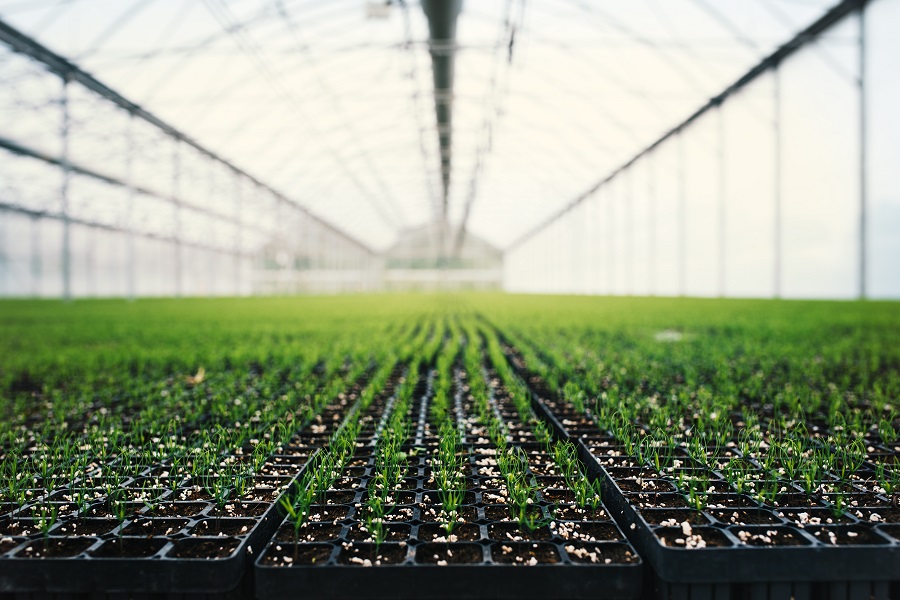
The Conservation Seedling Program will reserve thousands of ponderosa pine, Douglas fir, and other endemic seedlings for areas where wildfires have burned so intensely that natural regeneration is almost nil. Experts say the program could improve the chances of restoring forests from becoming grasslands or shrublands.
“With limited seedlings and a changing climate, we need to prioritize getting the right tree to the right place at the right time,” State Forester Laura McCarthy said in a news release. “We need to think about how the landscape functions and act with urgency. Our new Seedlings for Reforestation program aims to do exactly that.”
Why This Seedling Program Matters
The impact of the policy extends far beyond trees. Forests play a crucial role in protecting watersheds that supply drinking water to communities across the state. When severe fires burn vegetation along hillsides, rainstorms can trigger erosion, flash floods, and sediment runoff into rivers and reservoirs. Officials hope that accelerating reforestation efforts can stabilize vulnerable landscapes before those effects become permanent.
Reforestation is about rebuilding diverse species and ecological functions, not just planting trees. Preparation, local context, and community involvement are essential for long-term success.
The program redirection comes as New Mexico faces an unprecedented wildfire legacy. New Mexico’s most recent forest fire has burned at least 9,000 acres after being sparked by a fatal plane crash near Ruidoso. The Hermits Peak-Calf Canyon Fire in 2022, the largest wildfire, razed some 340,000 acres and will require about 18 million seedlings.
Millions of acres have burned across the state since 2020, including some of the largest and most destructive fires in its history. Many affected areas have lost mature seed-producing trees, leaving little chance for forests to regenerate.
Prevention to Recovery
Scientists warn that prolonged drought and rising temperatures further complicate recovery. In some severely burned regions, conditions have become so hot and dry that young trees struggle to survive without human intervention.
The new strategy aims to address that challenge by ecological alignment of seedlings. Trees grown from locally adapted seed sources are expected to enhance survival prospects under climate stress, potentially creating more resilient forests than those that existed before.
The program could provide access to technical expertise and affordable seedlings that would otherwise be difficult for private landowners, tribal communities, and local governments to obtain. The effort also allows forestry managers to concentrate scarce resources for maximum ecological benefits. It highlights the scale of the challenge facing New Mexico.
Experts estimate that restoring the forests burned by fire requires hundreds of millions of trees over the coming decades. The number exceeds the current production capacity. That reality has prompted state leaders to expand nursery infrastructure and establish the New Mexico Reforestation Center, which aims to increase seedling production.
The redirected seedling program represents a radical shift from prevention to recovery. It is an acknowledgment that some of New Mexico’s most signature woodlands cannot be left to heal on their own. Its success may help determine what the state’s landscapes look like in the future.

