

New Mexico remains a land of contrasts and enchantments: crimson mesas that catch fire at dusk, piñon smoke curling through high-desert air, and a cultural tapestry of Indigenous, Hispanic, and Anglo heritage that feels both timeless and alive. The state’s allure has sharpened—space, affordability, and authenticity drawing newcomers beyond coastal pressures as remote work redefines where Americans choose the best places to settle.
This year, five communities stand out not merely as destinations but as places to call home, with more than 300 days of sun and housing still affordable compared to much of the West.
Santa Fe: The City Different, Still
Against the Sangre de Cristo Mountains, at 7,000 feet, Santa Fe is still a draw for those who crave culture as much as canyon views. Adobe walls glow pink at golden hour; Canyon Road galleries and the Georgia O’Keeffe Museum offer a serious arts scene. The opera season under the stars remains a summer ritual, and farm-to-table restaurants celebrate Hatch chiles and foraged ingredients with sophistication.
Life moves at an almost contemplative pace for residents of the city. Short commutes, walkable historic quarters, and trailheads just beyond downtown make daily life a reward for hikers, mountain bikers, and skiers alike. The trade-offs are authentic—higher home prices than the state average (often north of a $600,000 median) and an economy driven by tourism. But many who settle here cite the light, the community of creatives and retirees, and a profound sense of place as being worth it. In 2026, Santa Fe feels like a sanctuary resisting homogenization.
Taos: High-Altitude Soul
Farther north, Taos excites many with a more rugged, artistic edge. The Taos Pueblo, one of the oldest inhabited communities in North America, anchors a deep sense of history. Artists have found inspiration in the dramatic light of the high desert plateau and the jagged peaks of the Sangre de Cristos. Skiing at Taos Ski Valley, with sleek new lifts and trails stretched wider than ever, the mountain feels freshly reimagined, paired with a bohemian downtown of bookstores, galleries, and earthy cafés.
Its housing is more accessible than Santa Fe’s for many, and it has a slower, tight-knit community feel. Winters are colder. Summers are kinder. And the acequia-irrigated fields speak to a lingering agrarian spirit. Remote workers and retirees amid multi-generational families and off-grid types. Taos rewards those who seek comfort in isolation and find solitude enchanting. The place is not for everyone, but for the right person, it is hard to leave.
Las Cruces: Southern Charm and University Energy
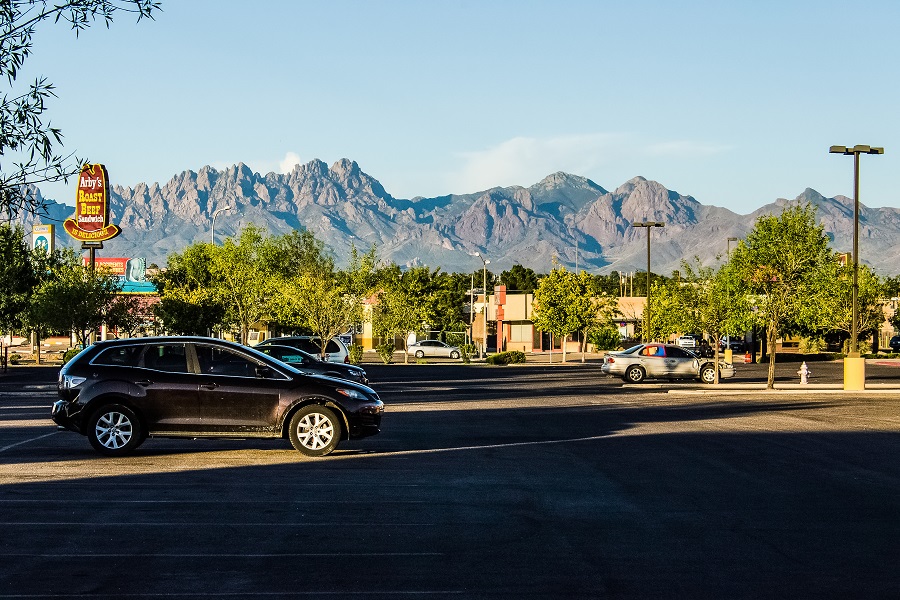
In the Mesilla Valley, Las Cruces is a different New Mexico—warmer, more affordable, and home to New Mexico State University. Organ Mountains-Desert Peaks National Monument offers dramatic hiking and rock climbing east of town. Downtown is alive with a renewed energy: farmers’ markets, breweries, and a growing food scene, with a taste of border influences and farm-fresh produce.
Cost of living is notably below the national average, with solid public schools in the neighborhoods and a housing market that still allows entry for young families and professionals. The pace radiates with purpose but is relaxed. Retirees appreciate the ease of healthcare and golf courses, while the university brings lectures, sports, and youthful vitality.
Las Cruces, this year, strikes many as New Mexico’s most livable balance of amenities, nature, and value.
Rio Rancho: Suburban Comfort with Open Space
Rio Rancho, north of Albuquerque across the Rio Grande, has climbed the rankings as a practical, family-oriented choice. It offers more space, master-planned with wide streets, parks, and newer housing stock, and often lower prices than Albuquerque proper. Close to the Sandia Mountains and endless trails, it is attractive for outdoor enthusiasts. Anchored by Intel and a rising wave of tech-adjacent jobs, the region enjoys a steady economic ballast.
Going to Albuquerque’s cultural offerings of museums, the Balloon Fiesta, and vibrant Old Town takes 20–40 minutes. Families are increasingly drawn to excellent schools and community amenities in many areas. It lacks the historic allure of Santa Fe or Taos. But for those prioritizing affordability, safety, and suburban conveniences with desert sunsets as a backdrop, Rio Rancho delivers.
Los Alamos: Brainy Enclave in the Jemez Mountains
Los Alamos, tucked on the Pajarito Plateau, is a standout—small (around 13,000 residents), exceptionally educated, and surrounded by national laboratory lands and forested wilderness. The legacy of the Manhattan Project lives in museums and street names. Today, however, it is a high-achieving community with top-rated schools, low unemployment linked to scientific work, and outdoor recreation such as hiking, fishing, and winter sports.
Housing is pricier than the state average, reflecting demand from professionals. But the quality of life—quick commutes, community events, and a sense of intellectual curiosity—is unique. Nearby, White Rock offers a slightly more residential feel. Los Alamos is an excellent choice for families or couples seeking excellent public services and mountain air without big-city density.
Choose Your New Mexico
All these places capture a different facet of the state’s promise. Choose: Santa Fe’s elegance, the mysticism of Taos, the accessibility Las Cruces offers, Rio Rancho’s practicality, and Los Alamos’ precision. Common threads of these places include dramatic landscapes that humble daily life, a respect for ancient histories, and a cost of living that, outside Santa Fe, still allows breathing room.
Challenges in these best places, however, persist—drought, pockets of poverty, and uneven infrastructure. But for those drawn to wide skies and unhurried rhythms, New Mexico in 2026 offers homes that feel like discoveries. Across all four seasons, the trails demand courtesy toward wildlife—and reward travelers with light that transforms the way they see.

